If you are searching for a CS Cart vs Shopify comparison, you are likely evaluating two eCommerce platforms that target different business types. CS Cart is an open-source platform built for merchants who need deep customization and full control over their store environment. Meanwhile, Shopify is a fully managed, cloud-based platform for sellers who prefer simplicity, reliability, and a polished, out-of-the-box experience.
To help you decide, this article will break down CS Cart vs Shopify across 10 essential criteria for your business growth:
- Ease of use
- Flexibility and customization
- Hosting and scalability
- eCommerce features
- Apps and integrations
- Themes and design
- Marketing and SEO tools
- Pricing
- Security
- Customer support
By the end, you will know exactly which platform fits your business model, your team’s technical capability, and your long-term growth goals.
CS Cart vs Shopify – Key Takeaways
Before diving into the full breakdown of CS Cart vs Shopify, let’s take a high-level look at what each platform offers and where each falls short. Understanding the core strengths and weaknesses of both platforms upfront will help you filter out the noise and focus on what matters most to your specific business.
Pros | Cons | |
Shopify | - Full open-source access to the codebase, giving developers complete control over their stores - One-time license fee with no mandatory monthly subscription - Deep customization capability for businesses with unique requirements - Strong built-in multi-language and multi-currency support | - Initial setup requires technical knowledge, FTP access, and server configuration - Smaller theme and app ecosystem compared to Shopify - Smaller developer community makes it harder to find specialist help - Some third-party add-ons are incomplete or poorly maintained |
CS Cart | - Beginner-friendly setup with no technical knowledge required - Fully managed hosting, security, SSL, and automatic updates handled entirely by Shopify - 8,000+ apps in the marketplace covering different aspects - Large, polished theme library with a visual drag-and-drop editor | - Deep customization is rather limited compared to Shopify - App costs accumulate quickly - Long-term total cost of ownership is significantly higher than CS Cart for businesses at scale |
Now that you have a clear picture of where each platform excels and where it falls short, the table below puts CS Cart vs Shopify side by side across 10 criteria so you can see exactly how they stack up.
CS Cart | Shopify | The Winner | |
Ease of Use | Self-hosted, requires technical setup and configuration | Fully managed, guided setup with no technical knowledge needed | Shopify |
Flexibility & Customization | Open-source, full codebase access, unlimited customization | Front-end customization only via themes and apps | CS Cart |
Hosting & Scalability | Self-hosted, merchant manages server and scaling | Fully managed, auto-scaling handled by Shopify | Shopify |
eCommerce Features | Strong native feature set with built-in multi-vendor tools | Polished out-of-the-box features backed by a large app ecosystem | Shopify |
Apps & Integrations | Smaller marketplace, affordable and deeply integrated add-ons | 8,000+ apps, but recurring costs accumulate quickly | CS Cart |
Themes & Design | Limited library, meaningful customization requires a developer | Large, polished theme marketplace with a visual drag-and-drop editor | Shopify |
Marketing & SEO Tools | Basic native SEO, extensions needed for advanced marketing | Built-in SEO, email marketing, abandoned cart, and social integrations | Shopify |
Pricing | One-time license fee, no monthly subscription | Monthly subscription from $29 to $299 per month | CS Cart |
Security | Merchant-managed, full control but full responsibility | Platform-managed SSL and PCI compliance, handled automatically | Shopify |
Customer Support | Credit-based support system, community forums, limited availability | 24/7 support across chat, email, phone, and Shopify Experts marketplace | Shopify |
1. Ease of Use – Shopify Wins
Our verdict:
In the CS Cart vs Shopify comparison on ease of use, Shopify wins decisively. It is significantly more accessible for business owners who want to launch and manage a store without technical expertise or developer support.
Getting a CS Cart store off the ground is not a beginner-friendly experience. Because it is self-hosted, you need to select a hosting provider, upload the software, configure the database, and manage the server environment before you ever see a working storefront. The platform requires a significant amount of technical knowledge in order to properly install and manage the system, which may not be feasible for smaller businesses with limited resources.
Once the store is live, the admin panel itself is functional and reasonably organized. From the admin panel, you can manage products and orders, offer discounts, interact with customers, change the look of your store, and do much more. That said, any meaningful configuration beyond basic store management will still require technical involvement.
Meanwhile, Shopify takes the opposite approach entirely. It provides a step-by-step onboarding process, guiding new users through adding products, setting payment options, and selecting themes.
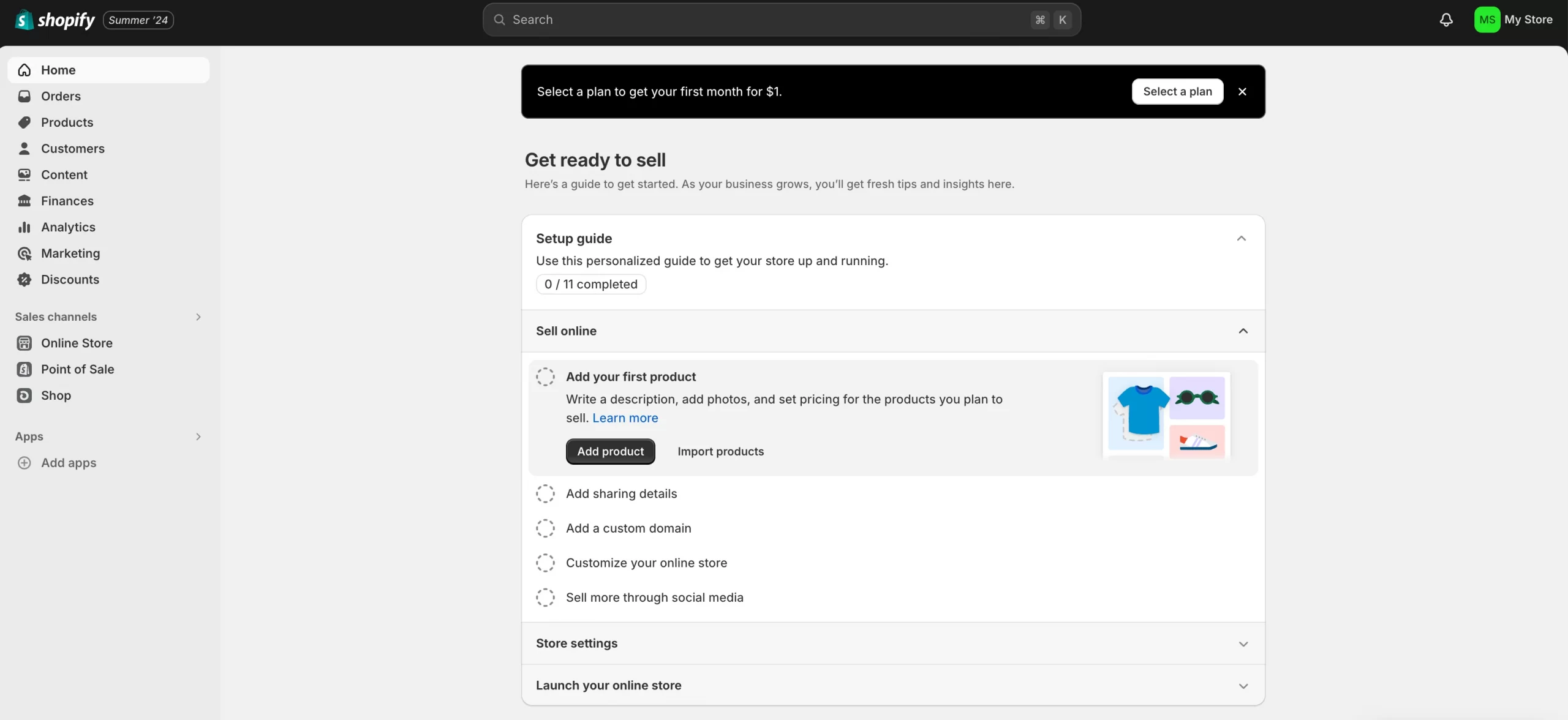
Beyond that, day-to-day store management is equally straightforward. Shopify’s dashboard is clean and simple, with key features like “Orders,” “Products,” “Customers,” and “Analytics” clearly marked for easy and intuitive navigation. This way, you can add products, process orders, and update store settings independently from day one with no developer required.
2. Flexibility and Customization – CS Cart Wins
Our verdict:
When comparing CS Cart vs Shopify in flexibility and customization, CS Cart wins. For businesses that need to go beyond what themes and apps can offer, this platform gives you the tools to build it.
As a self-hosted, open-source solution, CS Cart provides full flexibility and control. Built on a popular tech stack of PHP and Smarty, the platform’s code is clear and easy to understand. Developers have unrestricted access to the source code, database structure, and server environment, meaning virtually any business requirement can be built into the platform directly.
What makes CS Cart particularly powerful for customization is its modular, hook-based architecture. Developers can modify business logic and integrate external systems such as ERPs, CRMs, PIMs, or custom internal services without breaking existing functionality. Besides, since CS Cart is based on 100% open source code, you can make code modifications in the full version of the software and extend its standard functionality. For businesses with unique product structures, niche commission rules, or proprietary workflow requirements, this level of access is essential.
On the other hand, Shopify uses Liquid as its templating language to build dynamic web pages, bridging your front-end and back-end. Developers can modify themes using Liquid, HTML, and CSS, and extend store functionality through the app marketplace and Shopify’s API, but the backend infrastructure itself is entirely closed and cannot be modified.
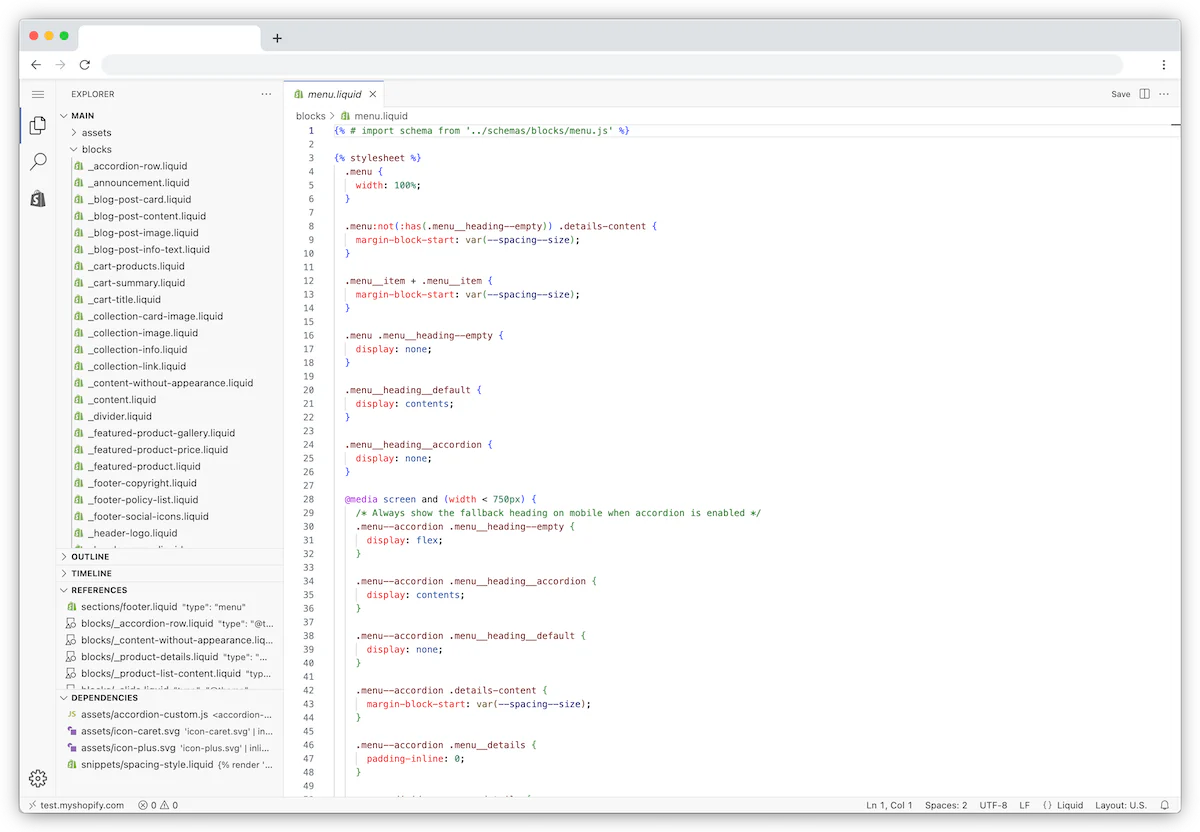
This approach works well for most standard storefronts. The theme editor lets you change colors and fonts, while Liquid lets you build custom features and dynamic sections that directly impact conversion rates. However, for businesses with requirements that fall outside Shopify’s predefined logic, this might become a limitation.
3. Hosting and Scalability – Shopify Wins
Our verdict:
Between CS Cart vs Shopify in terms of hosting and scalability, Shopify wins. It removes the operational burden of infrastructure management entirely and scales automatically, without any merchant involvement.
CS Cart is self-hosted, which means the merchant is fully responsible for choosing a hosting provider, configuring the server environment, managing performance, and handling traffic scaling. When you have more products, customers, and functionality in your store, you will need to upgrade to a higher-performing server. This responsibility grows as the business scales, requiring ongoing technical oversight to maintain performance and uptime.
That said, CS Cart’s self-hosted model does offer meaningful advantages for technically capable teams. Self-hosted eCommerce platforms offer ownership and adaptability that cloud platforms cannot match. For businesses with dedicated infrastructure resources, this level of control is a genuine strategic asset. Managed hosting options specifically optimized for CS Cart are also available through third-party providers, with solutions that include load balancing and automatic node scaling for high-traffic environments.
Shopify takes a fundamentally different approach. Shopify manages the entire hosting stack: servers, security patches, software updates, SSL certificates, backups, and a global content delivery network. All plans include a 99.98% uptime guarantee, unlimited bandwidth with no caps on traffic even during flash sales or seasonal spikes, and a global CDN powered by Cloudflare for fast page loads worldwide.
In practical terms, this means a Shopify store scales automatically whether you are running a targeted email campaign or experiencing an unexpected viral traffic spike. The platform’s infrastructure is specifically built to scale as you go, so you won’t need manual server configuration and provisioning additional capacity before an important sale event.
4. eCommerce Features – Shopify Wins
Our verdict:
In the CS Cart vs Shopify comparison on eCommerce features, Shopify wins. While CS Cart delivers an impressive native feature set, Shopify’s out-of-the-box feature quality, polished checkout experience, and consistent platform updates give it the edge for most merchants.
CS Cart equips its users with a feature-rich native toolkit with several out-of-the-box eCommerce features. This includes product management, order processing, inventory tracking, coupon and discount systems, reward points, a built-in loyalty system, cross-selling tools, and a visual layout editor, all without requiring additional extensions. Additionally, multiple storefronts, currencies, flexible tax settings, and 26 built-in languages empower you to create a dedicated storefront for each country and region you expand into.
Where CS Cart truly stands apart from Shopify on features is its native multi-vendor capability. It supports an unlimited number of sellers on one marketplace, making it a full-scale multi-seller solution with built-in eCommerce features to grow your customer base. endor management, commission rules, separate vendor storefronts, and individual vendor dashboards are all included natively, no third-party apps required.
That said, some features that Shopify handles natively, such as advanced abandoned cart recovery workflows and marketing automation, require extensions in CS Cart, adding both cost and configuration time.
On the flip side, Shopify delivers a consistently polished eCommerce experience across all core functions, offering a native feature set that covers everything a typical merchant needs to launch and operate effectively. This platform includes a built-in abandoned cart email feature that automatically sends a recovery email to customers who leave items in their cart, which works well for new stores with low traffic and simple product catalogs.
Beyond that, the platform’s checkout is widely regarded as one of the highest-converting in the industry. Shopify Payments for seamless payment processing and automatic platform updates that roll out without any merchant action. This means merchants always have access to the latest functionality without manually managing software upgrades, a contrast to CS Cart, where updates require a separate annual fee and manual intervention to implement.
5. Apps and Integrations – CS Cart Wins
Our verdict:
In the CS Cart vs Shopify comparison on apps and integrations, CS Cart wins for cost-effectiveness and the depth of integration that its open-source architecture makes possible for technically capable businesses.
CS Cart’s add-on marketplace is considerably smaller than Shopify’s, but it offers advantages that matter significantly over the long term. First, most CS Cart’s add-ons are one-time purchases, keeping long-term costs more predictable for businesses. Please note that this model might require a higher upfront cost, so plan carefully.
Additionally, because CS Cart is open-source, integrations can go deeper than surface-level API connections. With CS Cart Multi-Vendor, you get open access to the source code at no additional cost. It is possible to add new features, local payment and shipping methods, and integrate a custom design. This means custom integrations with ERP systems, CRMs, logistics platforms, or proprietary internal tools can be built directly into the platform’s core–something Shopify’s closed architecture makes significantly harder to achieve cleanly.
On the flip side of the CS Cart vs Shopify comparison, Shopify’s app ecosystem is one of its most frequently cited strengths. With over 8,000 apps in its marketplace, it covers virtually every eCommerce function imaginable. This diversity in app offerings ensures that it can quickly fill almost any business capability gap without advanced custom development.
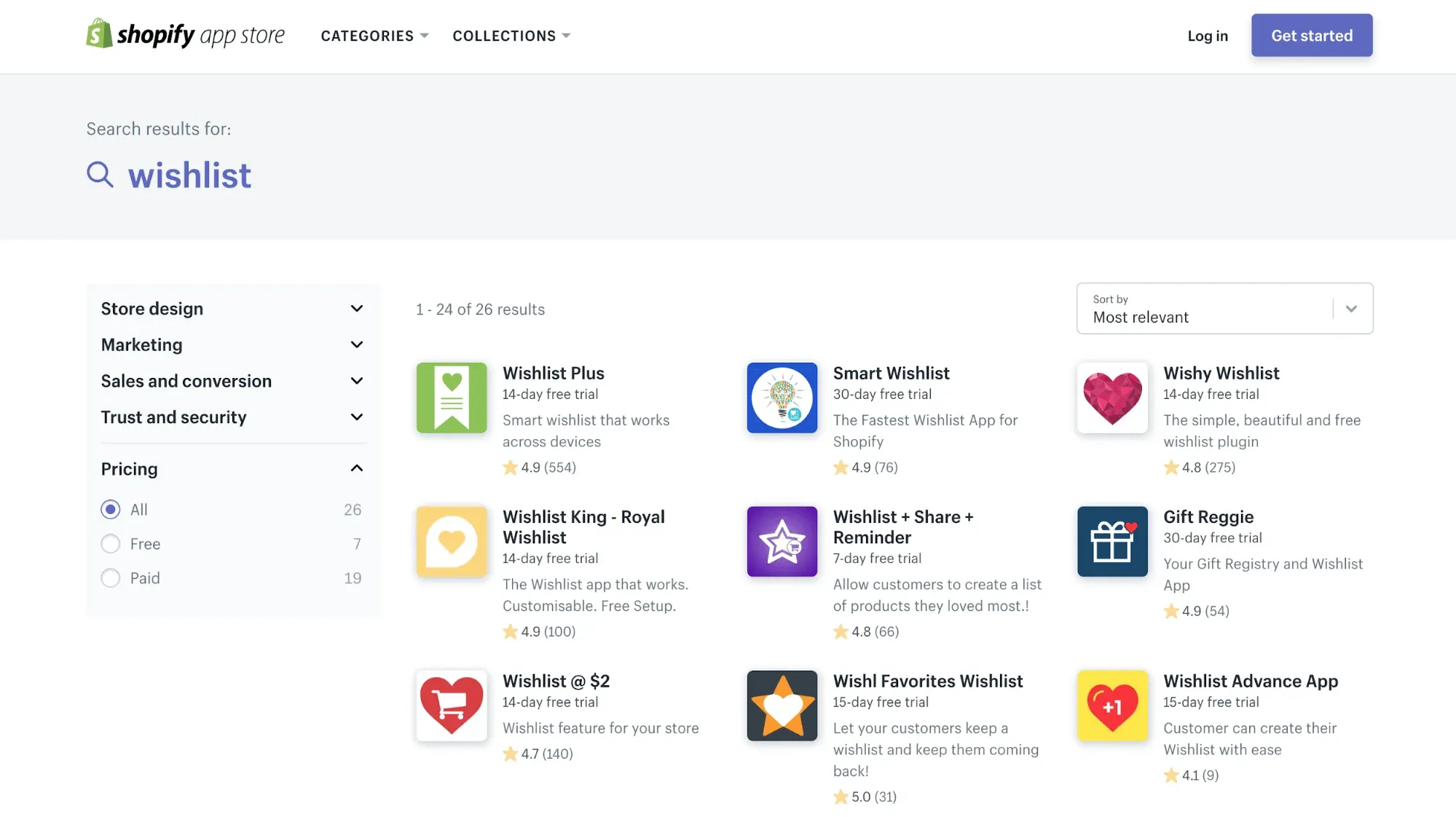
However, this breadth comes with a real cost consideration. Most best Shopify apps carry a monthly subscription fee, and the average store relies on multiple paid apps simultaneously to cover the missing functions. Those costs stack up quickly–merchants commonly spend an additional $50 to $300 per month on apps alone, on top of their base subscription fee. Additionally, custom apps on Shopify need to be hosted on external servers, introducing maintenance overhead and additional expenses that are not always obvious upfront.
6. Themes and Designs – Shopify Wins
Our verdict:
When comparing CS Cart vs Shopify on themes and design, Shopify clearly takes the lead. Its theme ecosystem is significantly larger, more polished, and far more accessible to merchants who want a professional storefront without developer involvement.
CS Cart does provide a workable design foundation with the flexibility to edit content, customize the design with custom CSS, and easily manage interface elements through the administration panel. The platform’s newest default theme, Nova, is a step forward. It replaces the older Responsive and Bright themes and gives every store a modern, mobile-optimized look right out of the box, with several ready-made color schemes included so merchants can quickly choose a look that matches their brand.

Beyond the default theme, third-party options are available through the CS Cart marketplace covering a range of niches, from fashion boutiques to large multi-vendor marketplaces. However, the library remains considerably smaller than Shopify’s, and meaningful design customization beyond what the theme editor allows requires direct template file editing. If your brand has unique needs or a personal design vision that cannot be satisfied with a standard, ready-made solution, custom development services might be required. For non-technical merchants, that dependency on developer involvement is a real constraint.
Meanwhile, Shopify’s theme ecosystem is in a different category entirely, both in volume and in the quality of the editing experience available to non-developers. These best Shopify themes allow users to drag and drop design elements anywhere on the page. You can stack image galleries and reviews, hide or reveal blocks, and shape each page’s design, along with metafields for displaying dynamic product information without editing theme code. Additionally, you can also generate design blocks automatically and instantly using a text prompt.

This means a merchant can go from a fresh theme install to a fully branded, conversion-optimized storefront without writing a single line of code. For merchants who do want deeper control, Liquid code editing, and a developer-accessible theme architecture are available without any additional tooling.
7. Marketing and SEO Tools – Shopify Wins
Our verdict:
In the CS Cart vs Shopify comparison on marketing and SEO tools, Shopify wins. Its built-in marketing infrastructure is broader, more accessible, and ready to use without additional configuration or third-party extensions.
First, CS Cart covers the essential SEO foundations. It includes powerful SEO tools to help you manage key aspects of optimization, covering meta titles and descriptions, URL structure, and page load speed–all of which directly impact search engine rankings. The platform also supports customizable URL slugs, XML sitemap generation, and canonical tags, giving technically capable merchants a solid base to work from. That said, the standard CS Cart has some basic SEO functionality, but it lacks advanced SEO for businesses that want to move ahead of competitors. Features such as structured data markup, automated meta generation at scale, internal linking automation, and keyword density analysis require third-party add-ons from the CS Cart marketplace.
Going beyond SEO? As AI continues to reshape how customers find products and answers online, optimizing for search engines alone is no longer enough. If you want to optimize your store for Answer Engine Optimization (AEO)–the next frontier for eCommerce visibility, check out our ebook and stay visible where your customers are increasingly searching.
On the marketing side, CS Cart provides several built-in tools covering promotions, retargeting, and analytics–everything needed for basic store promotion. However, the marketing toolset has meaningful gaps for merchants who want to automate their customer engagement. Advanced capabilities, such as automated abandoned cart recovery, upsell and cross-sell automation, and detailed campaign analytics, are not available natively and require third-party add-ons, adding both recurring cost and configuration overhead.
On the other hand, Shopify’s SEO infrastructure is strong at the foundation level and accessible to non-technical merchants. The platform handles clean URL structures, automatic XML sitemap generation, canonical tag management, and schema markup support without any code editing required. For merchants who want more control, Shopify’s Liquid templating system allows developers to extend SEO customization further, including custom structured data, advanced meta templates, and headless implementations via Shopify Hydrogen.
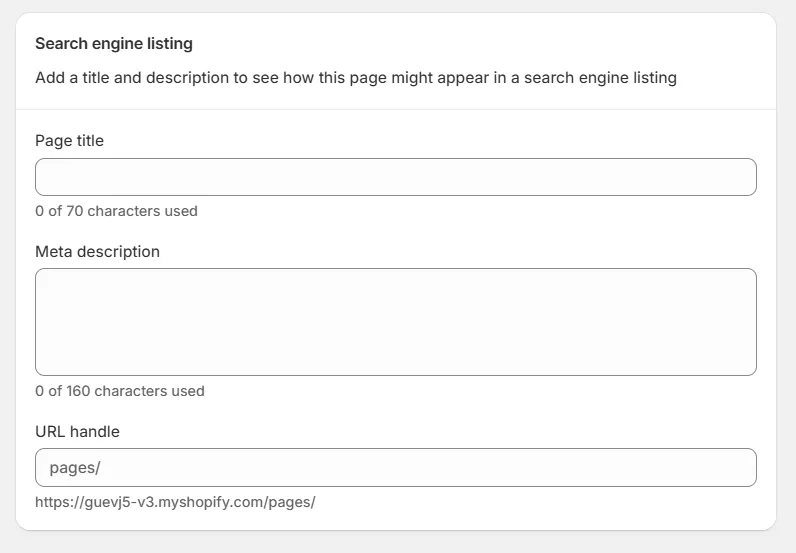
Where Shopify pulls significantly ahead in this CS Cart vs Shopify is the breadth and accessibility of its native marketing tools. With Shopify’s built-in marketing automations, you can automatically send emails to customers who add products to their cart without checking out. Beyond that, the platform’s marketing toolkit includes Shopify Email for campaign management, flexible discount and coupon rules, product-level upsell and cross-sell settings, social channel integrations across Facebook, Instagram, and TikTok, and a built-in blog for content marketing. All of these are available without installing a single additional app.
8. Pricing – CS Cart Wins
Our verdict:
On pricing, CS Cart wins in the CS Cart vs Shopify comparison, particularly for businesses focused on long-term cost efficiency. Its license-based model eliminates the recurring subscription fees that accumulate significantly on Shopify over time. That said, the upfront cost and ongoing technical overhead mean CS Cart’s pricing advantage is most relevant for businesses with the resources to manage a self-hosted platform.
CS Cart operates on a license-based pricing model. It offers three different pricing plans, starting from $1,490 to $7,990 for a one-time purchase with no restrictions on the number of products or users. Additionally, there is no percentage taken from each sale, regardless of which payment gateway you use.
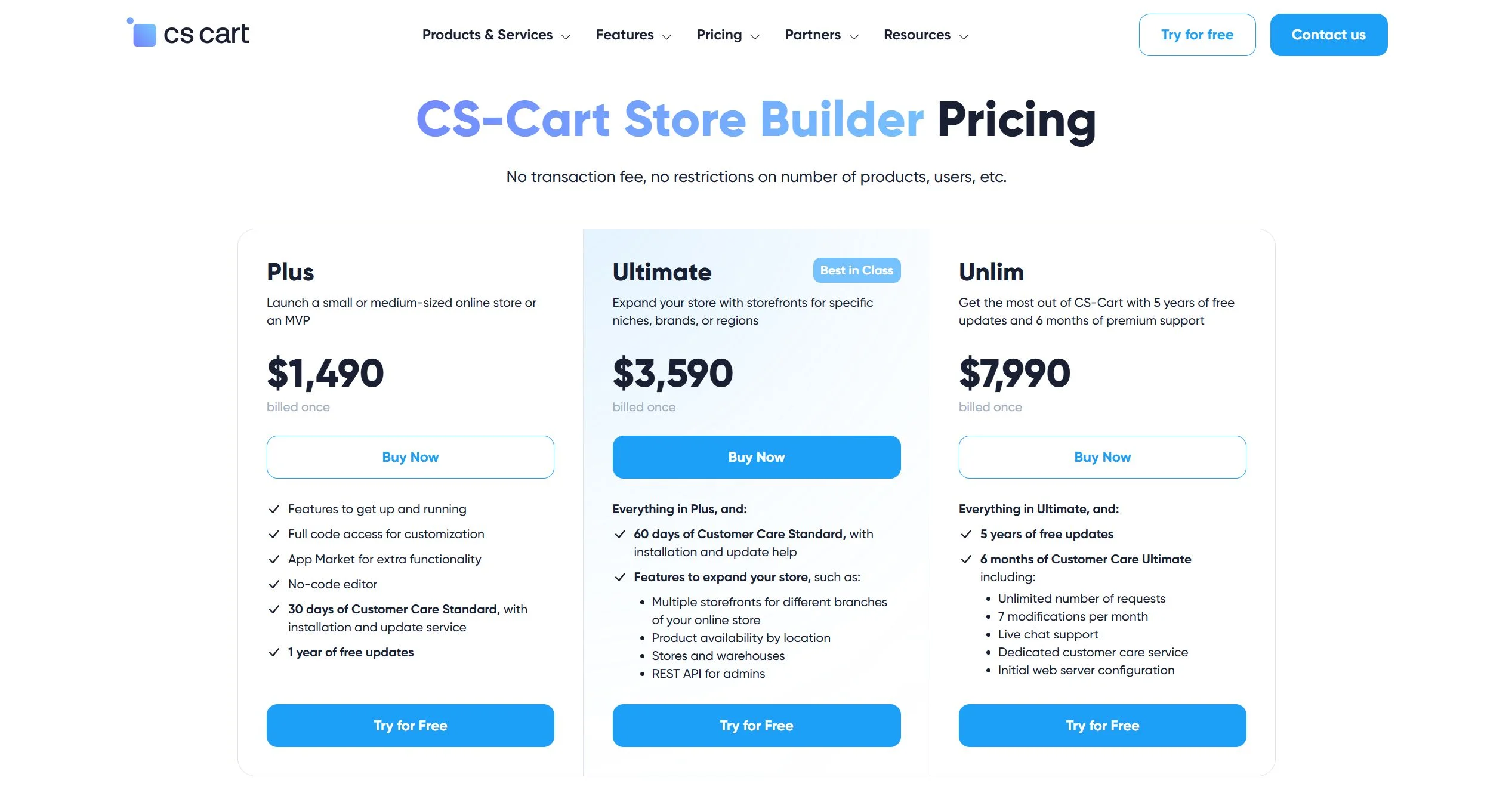
On the surface, the absence of monthly subscription fees and transaction charges looks like a significant advantage. However, the full cost of running a CS Cart store extends well beyond the license fee, and those additional costs are not always obvious upfront. Several recurring expenses, such as themes, hosting, paid add-ons, and maintenance costs, might build up over time. When all of these layers are accounted for, the total cost of ownership for a CS Cart store frequently exceeds what the license fee alone suggests, particularly in the first year when setup, theme purchase, add-on costs, and developer fees all land simultaneously.
On the other hand, Shopify pricing operates on a monthly subscription model with three core plans. When billed annually, Shopify’s pricing ranges from $29 per month on the Basic plan to $299 per month on the Advanced plan, with a 25% discount for annual billing compared to monthly rates.
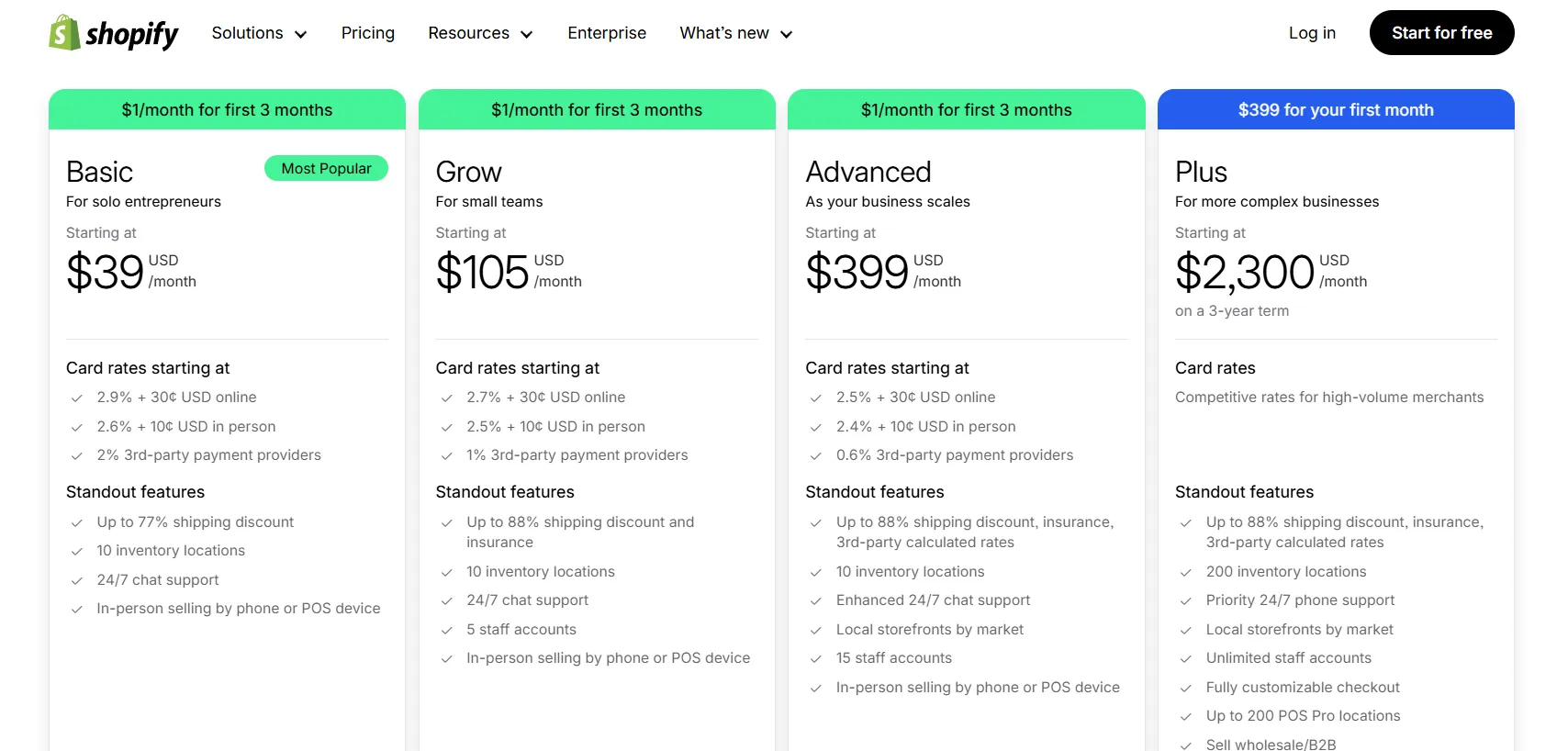
What makes Shopify’s pricing model stronger in practice is what is already included in the subscription. Hosting, SSL, security patches, automatic updates, a global CDN, and 24/7 customer support are all covered, none of which CS Cart merchants receive without paying separately. Third-party transaction fees, while a genuine cost consideration, are eliminated entirely by using Shopify Payments, which is available in most major markets.
9. Security – Shopify Wins
Our verdict:
In the CS Cart vs Shopify comparison on security, Shopify wins. It handles platform-level security automatically and comprehensively, removing a significant operational responsibility from the merchant entirely.
CS Cart is designed with security in mind at the software level. This platform supports SSL certificates of all types, and during order processing, data can be encoded with certificate-based encryption during transmission over networks. A PCI-compliant hosting environment is also cited as an important security factor that considerably minimizes potential risks.
The critical distinction between CS Cart vs Shopify is that in CS Cart’s self-hosted model, security is the merchant’s responsibility. This means obtaining and renewing SSL certificates, selecting a hosting provider with a PCI-compliant environment, applying software security patches promptly, configuring server-level firewalls, and keeping third-party add-ons updated all fall on the merchant or their developer. For businesses with a dedicated technical team, this level of control is manageable, but for those without one, this might be a risk.
Meanwhile, Shopify takes the opposite approach entirely. Shopify is certified Level 1 PCI DSS compliant, and this compliance extends by default to all stores powered by Shopify. Merchants do not need to seek out a compliant hosting provider, configure security parameters, or manage their own compliance processes. It is built in from the moment the store goes live.
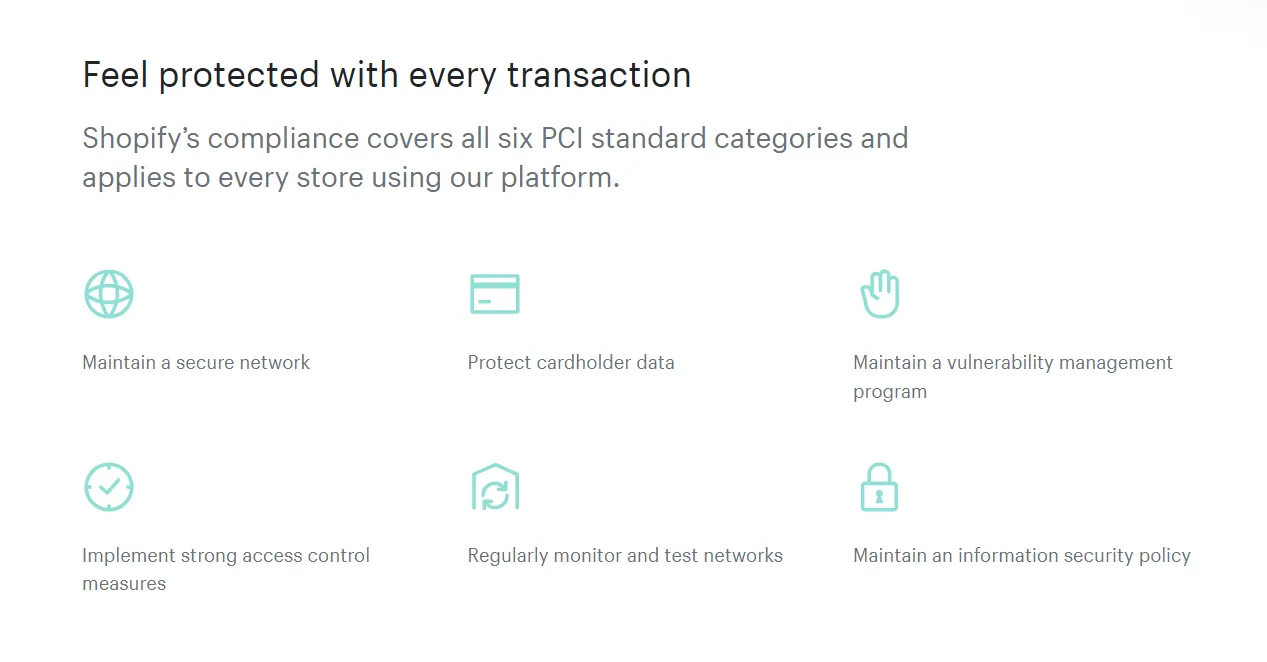
Beyond PCI compliance, Shopify also maintains fraud detection tools that analyze every transaction to identify potential risks, automatically flagging suspicious orders based on indicators such as billing address discrepancies or unusual purchase patterns. SSL certificates are provisioned automatically for every store, security patches are applied by Shopify without any merchant action, and DDoS protection is included as part of the platform infrastructure.
10. Customer Support – Shopify Wins
Our verdict:
When comparing CS Cart vs Shopify, Shopify wins on customer support. Its support network is available around the clock, accessible across multiple channels, and backed by one of the largest eCommerce communities in the world, making it a more reliable safety net for merchants who need consistent, accessible assistance.
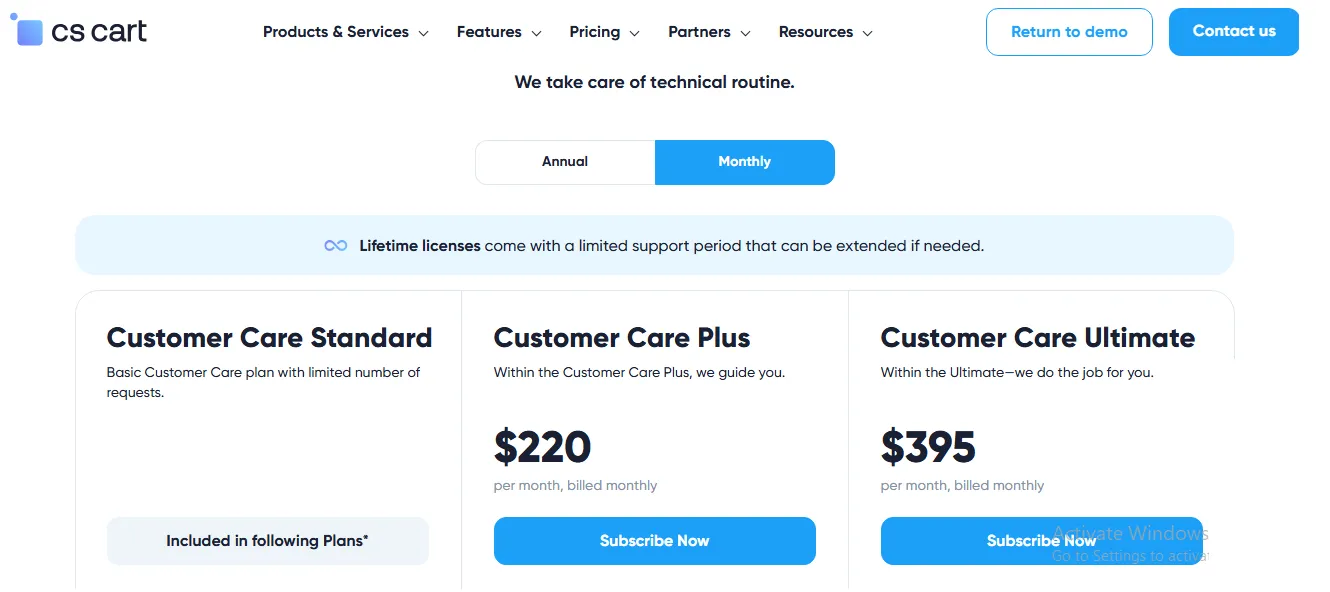
CS Cart’s support model is structured around tiered plans rather than open-access assistance. Lifetime licenses come with a limited support period that can be extended if needed, and the basic Customer Care plan includes a limited number of requests. For merchants who need more, paid Customer Care subscriptions are available, priced at $220 or $395 per month if billed annually, covering unlimited support requests and up to four modifications per month.
The community forums and documentation are active and reasonably comprehensive for experienced developers. However, the pool of CS Cart specialists available for hire is significantly smaller than Shopify’s, meaning professional help for complex issues can be harder to find and more expensive when sourced.
On the other hand, Shopify offers a broader support ecosystem than its counterpart, providing:
- A comprehensive Help Center with step-by-step documentation covering every aspect of the platform
- An extensive library of video tutorials and written guides updated regularly
- An active community forum with contributions from millions of merchants globally
- The Shopify Experts marketplace, where merchants can connect with certified developers and agencies for hands-on professional support
In the CS Cart vs Shopify comparison here, the difference is not just about availability; it is about the depth and reliability of the support ecosystem as a whole.
CS Cart vs Shopify – Which One Should You Choose?
After comparing CS Cart vs Shopify across these 10 criteria, one thing is clear: there is no universal winner. Both platforms are capable and proven; the difference lies entirely in what type of business each one is built to serve and what operational resources you have available to support it.
So, from our experience, choose CS Cart if:
- You are building a multi-vendor marketplace and need robust, native seller management tools out of the box
- You have a dedicated development team and want full, open-source control over your codebase
- You are planning for long-term cost efficiency and want to minimize recurring monthly subscription fees
On the other hand, Shopify might be the better fit if:
- You are launching a new eCommerce store and want to be operational quickly without technical setup
- You want access to the largest app ecosystem in eCommerce, a polished theme library, and strong visual editing tools
- Deep backend customization is not your biggest priority
The decision between CS Cart vs Shopify ultimately comes down to this: CS Cart prioritizes flexibility, ownership, and long-term control. Shopify prioritizes speed, automation, and managed convenience. The best platform aligns with how your business plans to grow and the level of control you want to retain.
Our Methodology – How We Test CS Cart vs Shopify
This CS Cart vs Shopify comparison is built on a structured evaluation process designed to give you an honest, evidence-based assessment rather than a surface-level feature list. Here is how we approached it:
- Criteria selection: Both platforms were assessed across 10 criteria chosen for their direct relevance to eCommerce business owners
- Research and sourcing: Our analysis draws from official platform documentation, hands-on platform evaluation, verified user reviews on third-party platforms, and real-world merchant and developer feedback
- Cost data: Pricing figures are based on publicly available information at the time of publication and are intended as representative estimates. Actual costs will vary based on store size, app selection, hosting provider, and development requirements
- Impartiality: This article does not represent a paid partnership or sponsorship with either CS Cart or Shopify. No platform paid to influence the verdicts in this comparison. The goal is to give you the clearest possible picture of CS Cart vs Shopify so you can make the right decision for your business.
CS Cart vs Shopify – FAQs
No schema found.Final Verdict
To conclude, the CS Cart vs Shopify debate does not have a universal answer. Both platforms are well-built and proven. The difference lies in what type of business each one is built to serve.
CS Cart is the right choice when your business demands open-source control, deep customization, and a preference for minimizing long-term recurring costs. Shopify is the right choice when you need a fast, reliable, professionally managed eCommerce experience that requires little to no technical overhead to run and scale.
Last but not least, if you like this article, don’t forget to check out other articles on LitExtension Blogs and Resources for more eCommerce insights.