I’ve noticed that Shopify headless has become an increasing trend among high-volume merchants, thanks to the great level of freedom it offers. But Shopify headless is more than just creativity control. This eCommerce model also has so much more to offer, and are you fully aware of it?
If you want to learn more about Shopify headless commerce, welcome! In this article, let’s walk through:
Without further delay, let’s learn more about this modern eCommerce model.
An Introduction to Shopify Headless Commerce
Shopify headless commerce is a modern approach that separates the front-end storefront (head) from Shopify’s back-end commerce engine (body) using APIs to keep both systems connected.
This gives merchants full freedom to build unique, composable storefront experiences with any tech stack and third-party tools. Meanwhile, Shopify still handles core operations like products, orders, inventory, payments, shipping, and customer management.
What is Shopify Plus headless commerce?
Shopify Headless Commerce represents a significant departure from the traditional, monolithic approach to eCommerce platforms. It offers merchants unprecedented flexibility and control over their online presence.
So, what is headless Shopify commerce? In essence, it detaches the front-end customer experience (commonly referred to as the “head”) from the back-end eCommerce functionality (the “body”). This separation is achieved through the strategic use of APIs (Application Programming Interfaces), which act as the “middle man,” facilitating seamless communication between the two systems.
By opting for a headless architecture, you will be granted the complete freedom to create unique storefronts instead of tying yourself to monolithic platforms. You can deploy your own composable tech stack and integrate it with any tools and systems of your choice to craft the online shopping experiences you want. Meanwhile, the robust and reliable backend infrastructure provided by Shopify continues to manage all the complex eCommerce operations behind the scenes. This includes crucial aspects like product catalog management, order processing, inventory tracking, payments, shipping logistics, and customer relationship management.
I believe this strategic separation allows you to focus on delivering exceptional front-end experiences. There’s no worry about the technical complexities of managing a high-performance eCommerce platform.
Headless Shopify vs traditional Shopify
If you still wonder how Shopify headless is different from tradition Shopify, here’s a detailed comparison for your consideration.
Feature | Shopify headless | Traditional Shopify |
Frontend flexibility | Complete control over the storefront, enabling bespoke designs and integrations with any frontend framework. | Restricted to using pre-built themes and apps from the Shopify App Store. Customization requires coding within Liquid framework. |
Development experience | Requires experienced developers familiar with APIs, data fetching, and frontend frameworks. | Is more user-friendly for merchants with limited technical expertise. Drag-and-drop interface for basic customization. |
Website performance | Potential for faster loading times and improved SEO due to streamlined codebase and optimized frontend. | Can be limited by pre-built theme structure and app integrations. |
Omnichannel capabilities | Allows for seamless integration with various platforms beyond online stores (mobile apps, IoT devices, social media, etc.). | Offers built-in integrations for major social media platforms and marketplaces. Custom integrations require third-party apps or development. |
Cost | Requires dedicated development resources, potentially increasing ongoing maintenance costs. | More predictable pricing with standardized plans and app subscriptions. |
Maintenance | Requires continuous updates and management of both frontend and backend systems. | Have all your platform updates and security handled by Shopify. |
How Headless Shopify Works
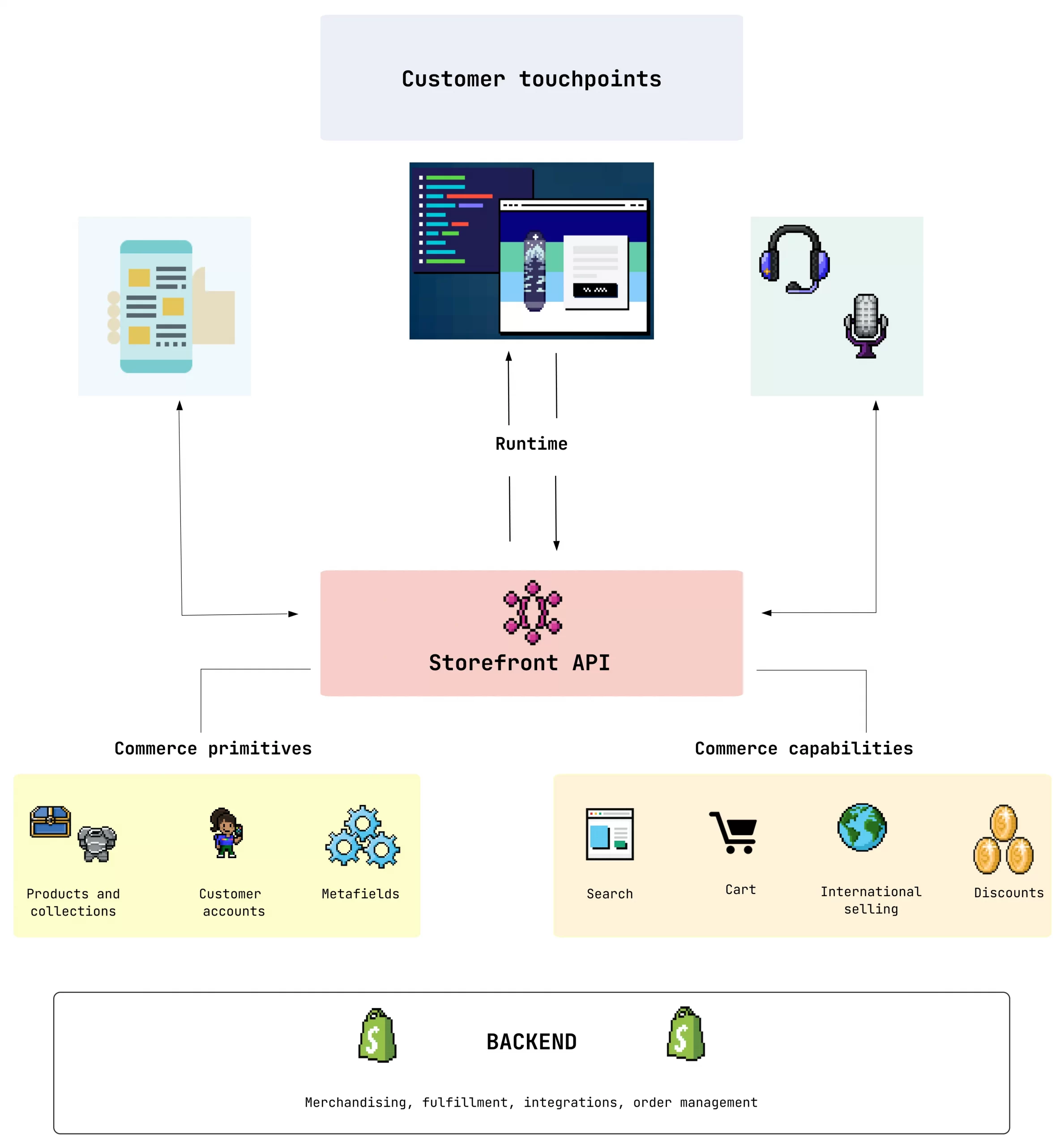
In this setup, technologies like the Storefront API, Shopify Admin, the Headless channel, Hydrogen, and Oxygen work together to deliver a flexible frontend experience, while Shopify continues to power core commerce operations behind the scenes.
1. Storefront API
(the bridge between your custom frontend and Shopify)
The Shopify Storefront API is what makes headless Shopify possible, as it exposes native Shopify features to your custom frontend and allows both systems to “talk to” each other in real time. It’s a GraphQL API that lets your storefront fetch and render core commerce data such as products, collections, variants, pricing, availability, and customer-ready content without relying on Liquid themes.
More importantly, it doesn’t just “display” products but also supports purchase-related actions. Your frontend can create and update a cart, manage line items, attach customer information, and then generate a checkout URL so shoppers can complete payment through Shopify’s checkout.
2. Shopify Admin
(the backend engine that runs your store operations)
Even in a headless setup, your store is still fundamentally powered by Shopify’s backend. That backend is managed through Shopify Admin, which remains the single source of truth for product data, inventory, orders, customers, discounts, shipping settings, and payments, meaning your internal workflows don’t disappear just because the storefront is custom-built.
So in practice, “going headless” doesn’t mean replacing Shopify. It means Shopify continues running your commerce infrastructure reliably in the background, while your frontend becomes a separate application that consumes Shopify data through APIs. That separation is what allows teams to move faster on design and performance improvements without constantly fighting theme constraints.
3. Headless channel
(access tokens, permissions, and storefront management)
To connect your headless storefront to Shopify securely, you typically manage authentication through the Headless channel. The channel gives you a centralized place to create and manage custom storefronts, and it automatically generates public and private Storefront API access tokens used to authenticate requests.
It also supports practical operational needs that matter long-term, such as rotating private access tokens, adjusting storefront permissions, and managing multiple custom storefront environments. Shopify also explicitly lists order attribution as part of what the Headless channel helps manage, which is important when you want cleaner tracking across multiple experiences or channels.
4. Hydrogen
(Shopify’s React framework for building headless storefronts)
Hydrogen is Shopify’s official framework for building headless storefronts with React, created specifically to speed up headless storefront development.
Instead of starting from a blank React app and wiring everything manually, Hydrogen provides storefront-focused utilities and patterns that are designed around Shopify commerce workflows.
One key detail is that Hydrogen is tightly versioned alongside the Storefront API, which helps teams avoid mismatches between storefront logic and the API layer. In other words, Shopify treats Hydrogen as a “first-party” way to build headless correctly. Therefore, it’s not just a React template, but a framework aligned with Shopify’s commerce architecture.
5. Oxygen
(Shopify’s edge runtime & deployment platform for Hydrogen)
Oxygen is Shopify’s hosting and runtime environment built for Hydrogen storefronts, designed to run at the edge for low-latency delivery. Shopify describes Oxygen as a worker-based runtime for hosting Hydrogen storefronts, which is optimized for serverless/edge contexts and supports modern web APIs like Fetch, Streams, and Web Crypto.
From a workflow standpoint, Oxygen is also positioned as a deployment platform that supports multiple environments, so teams can preview changes before pushing to production. That way, it’s easier to maintain a fast development cycle even when your storefront is fully custom.
Note:
In simple terms, Hydrogen is what you build with, and Oxygen is where you run it. Together, they help Shopify headless stores ship faster without needing to stitch together third-party hosting and infrastructure from scratch.
The Benefits of Shopify Headless
Shopify headless delivers four core benefits that make it a strong option for fast-growing brands: unmatched design flexibility, improved website performance, greater scalability, and stronger omnichannel selling potential.
Below, we’ll break down how each advantage works in practice and what it enables for your store.
#1. Unmatched design flexibility
For starters, headless Shopify gives you full control over the look, feel, and structure of your storefront – far beyond what a standard theme or Shopify AI website builder can achieve – since the frontend is no longer tied to Shopify’s theme architecture. Basically, it’s easier to build truly custom layouts, unique interactions, and advanced UX patterns that match your brand identity.
More importantly, this flexibility allows you to create consistent experiences across different touchpoints, whether you’re optimizing for desktop, mobile, or new digital channels. As a result, your storefront can feel more “premium” and differentiated, instead of looking like another theme-based Shopify store.
#2. Improved website performance
Secondly, a headless setup often leads to better performance because your storefront can be built with modern frontend frameworks and optimized specifically for speed. With fewer unnecessary theme constraints and cleaner code delivery, brands can reduce page load times and create smoother navigation, which directly improves user experience.
Such a performance boost can also support SEO benefits, since faster pages tend to improve crawlability and engagement signals. In competitive categories, even small improvements in speed and experience can make a noticeable difference in conversion rate and customer retention.
#3. Great scalability for growing stores
Headless Shopify makes it easier to scale because the storefront and backend can evolve independently. Your team can redesign the frontend, add new features, or expand into new markets without needing to rebuild the entire commerce foundation.
This huge advantage is especially valuable when your product catalog grows, traffic spikes seasonally, or your business adds new selling models. Instead of being limited by what the theme can support, you can continuously expand your storefront experience while Shopify continues handling core commerce operations reliably.
#4. Stronger omnichannel selling potential
Lastly, headless Shopify is a natural fit for omnichannel commerce because you can reuse Shopify’s backend across multiple frontends. That means the same products, inventory, and customer data can power a website, mobile app, in-store experiences, marketplaces, or even emerging interfaces.
As a result, your team can keep your customer experience consistent, no matter where people shop. Over time, it also gives brands more room to experiment with new channels; you don’t have to rebuild their entire commerce system from scratch.
Considerations Before Committing to Shopify Headless
Despite its advantages, this solution also comes with high Shopify headless pricing, heavier technical demands, longer build timelines, and more ongoing maintenance responsibility.
Hence, before committing, make sure the move aligns with your long-term goals, and confirm you have the right team, budget, and time to build and support a custom storefront. You should also audit your must-have features to ensure they can be implemented through the Storefront API and required integrations without unnecessary complexity.
#1. Long-term vision and goals
Going headless is a significant decision that should align with your long-term business goals. Ask yourself: Will a headless architecture truly enhance your customer experience, differentiate your brand, or enable unique functionalities that are essential for your growth strategy? If the answer to these questions is yes, then Shopify Headless is for you!
#2. Technical expertise & resources
Headless development requires a higher level of technical expertise than traditional Shopify development. You’ll need skilled front-end developers who are comfortable working with APIs, Remix frameworks, and potentially multiple programming languages. If you lack the necessary resources, assess your internal team’s capabilities or consider partnering with an experienced Shopify Headless agency.
#3. Budgetary considerations
Building and maintaining a headless storefront typically involves higher costs than using pre-built Shopify themes. However, it can solve complex catalog demands when custom options exceed the standard Shopify variant limit structure natively allowed. Ensure your budget aligns with the scope and complexity of your desired headless solution.
#4. Functionality requirements
While the Shopify Storefront API provides access to a wide range of Shopify’s core functionalities, some niche features or specific customizations might require additional development effort or integration with third-party apps. Carefully audit your must-have features and ensure they can be implemented within a headless framework.
#5. Maintenance and support
Unlike traditional Shopify stores, where platform updates and security patches are handled automatically, you’ll be responsible for maintaining and updating both your front end and any custom integrations in a headless setup. Have a plan in place for handling bug fixes, security updates, and ongoing maintenance to ensure your store remains secure and performs optimally.
#6. Time commitment
Developing a custom headless storefront takes time. Unlike launching a Shopify store with pre-built themes, anticipate a longer development cycle and factor this into your project timeline. Communicate clearly with stakeholders about realistic launch dates and potential delays.
By thoroughly evaluating these considerations, you can make an informed decision about whether Shopify Headless Commerce is the right fit for your business needs. Consequently, you’ll be better prepared for the transition to go for this modern eCommerce model.
10 Shopify Headless Store Examples to Inspire You
Kotn, TASCHEN, Allbirds, Victoria Beckham Beauty, Inkbox, and more are all standout Shopify headless examples. Below, we’ll break down what each brand built and what they achieved.
1. Kotn
Kotn, a conscious apparel brand known for its commitment to quality and ethical sourcing, sought to align its digital presence with its commitment to exceptional quality and customer experience. Having already established its online store on Shopify, Kotn recognized the need for a more flexible and scalable solution to support its ambitious growth plans.
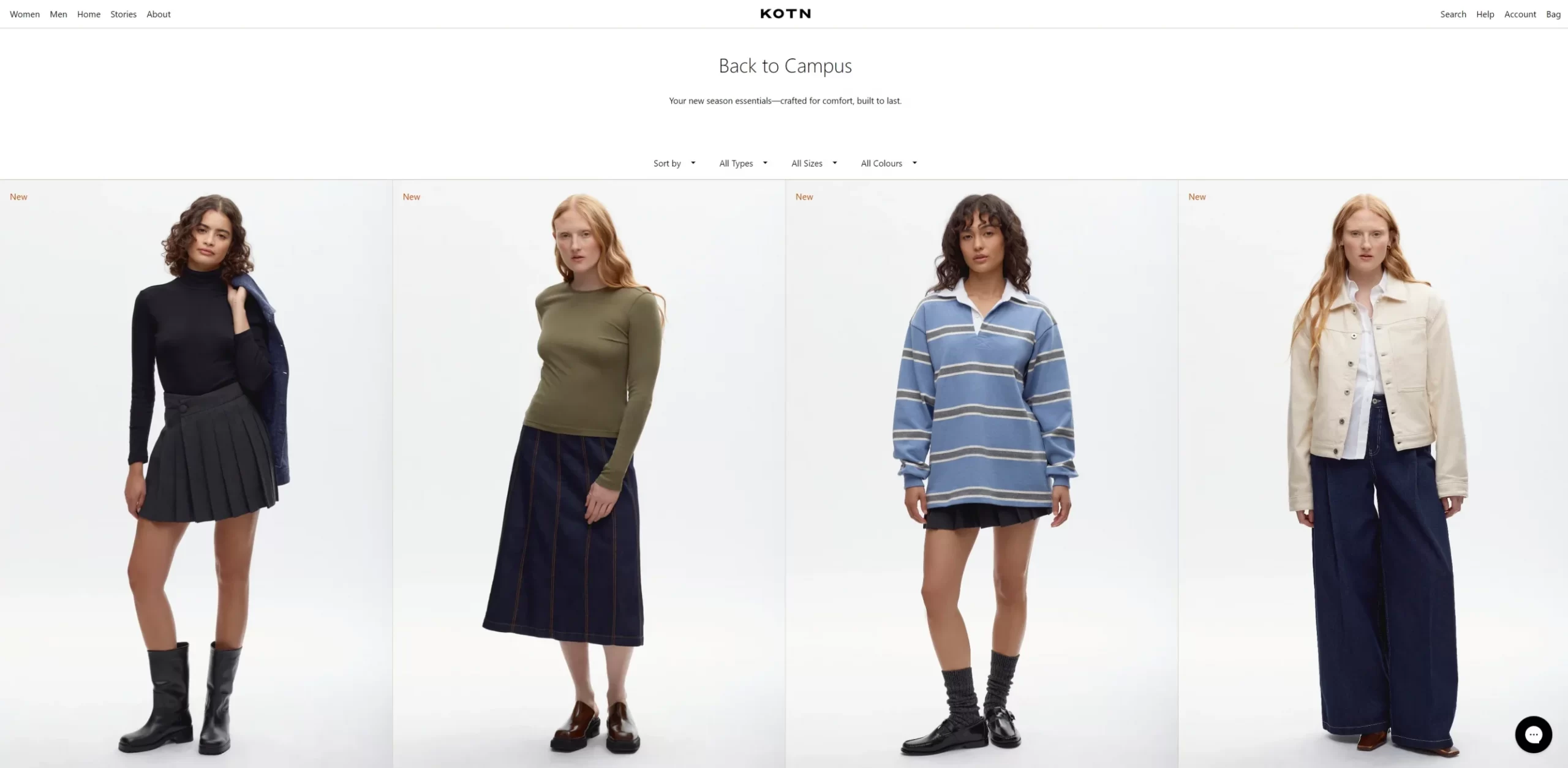
The brand turned to Shopify Headless Commerce, leveraging the power of the Storefront API to craft a truly bespoke online experience. A key aspect of this transition involved combining two separate stores into a single, unified platform, streamlining operations and reducing reliance on custom apps and workarounds.
This newfound flexibility empowered Kotn to create custom product pages that beautifully showcased their commitment to ethical sourcing and design excellence. They also implemented a new Shopify headless CMS and a tailor-made checkout flow, ensuring a cohesive and on-brand experience for their customers. By embracing a headless architecture, Kotn unlocked greater agility, improved site performance, and empowered its team to manage its growing online business with greater efficiency and control.
What Kotn has achieved:
- The ability to make site changes much quicker than before
- Keeping site speed fast, even during high-traffic periods
- Laying an infrastructure foundation to leverage future technology
2. Taschen
Since 1980, TASCHEN has captivated readers with exquisite art and design publications. Yet, even for this established publishing house, transitioning to the digital age presented unique challenges. Seeking a platform to support their global presence and create a seamless customer journey, TASCHEN chose Shopify Plus.

By leveraging Shopify Plus’s headless architecture and custom Shopify metafields, TASCHEN integrated a robust Product Information Management (PIM) system, streamlining their extensive catalog management and ensuring accurate, consistent product information across all channels. Coupling this with the power and security of Shopify Checkout, TASCHEN created a frictionless purchasing experience for customers worldwide.
Shopify Plus’s out-of-the-box solutions and plugin ecosystem proved instrumental in simplifying TASCHEN’s digital transformation. Unlike their previous system, Shopify enabled streamlined implementation and management of critical eCommerce features, including discount codes, gift vouchers, diverse payment options, and targeted customer segmentation.
The result? TASCHEN successfully unified its online and offline presence, seamlessly integrating online retail, physical stores, and even phone orders. Further expanding their reach, TASCHEN leveraged Shopify Plus to incorporate third-party suppliers and dropshipping, opening new sales channels and unlocking unprecedented growth. By embracing the agility and scalability of Shopify Plus, TASCHEN has positioned itself for continued success in the ever-evolving world of publishing.
What TASCHEN has achieved:
- 20% increase in year-on-year revenue growth
- 6% increase in average order value (AOV)
- 12% increase in total orders
3. Allbirds
Allbirds is a sustainability-driven footwear and apparel brand that has scaled globally with a strong focus on simplicity and a smooth customer journey. As their commerce needs grew more complex across markets, the brand needed a storefront setup that could support faster iteration while keeping the shopping experience consistently fast and polished.
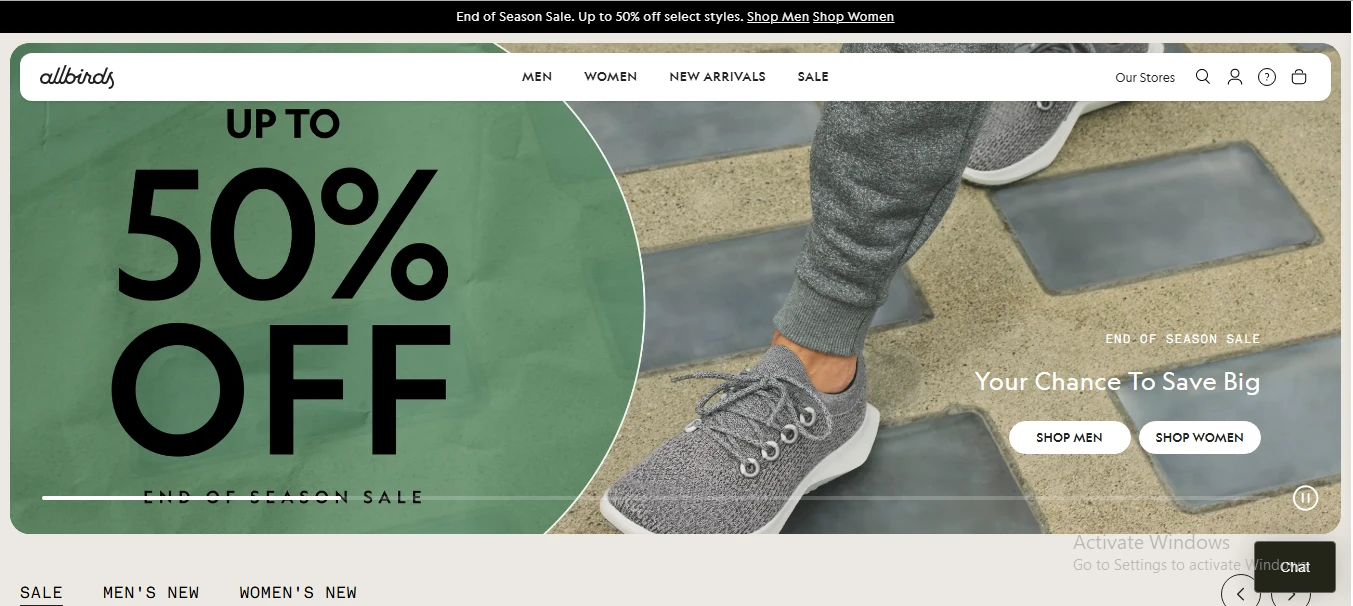
To support that kind of scale, Allbirds adopted a headless approach on Shopify Plus, separating the storefront from the backend so they could customize the user experience without disrupting commerce operations. This headless setup helps brands like Allbirds maintain flexibility on the frontend while still relying on Shopify’s proven commerce engine underneath.
What Allbirds has achieved:
- 30% lift in conversion rate
- 20% increase in gross profit
- 90% reduction in fulfillment costs
4. Victoria Beckham Beauty
Victoria Beckham Beauty is a luxury beauty brand built around high-end storytelling, premium visuals, and an elevated online shopping experience. To match the brand identity digitally, the storefront needs to feel sleek and immersive while still remaining fast, stable, and easy to evolve across product launches and campaigns.
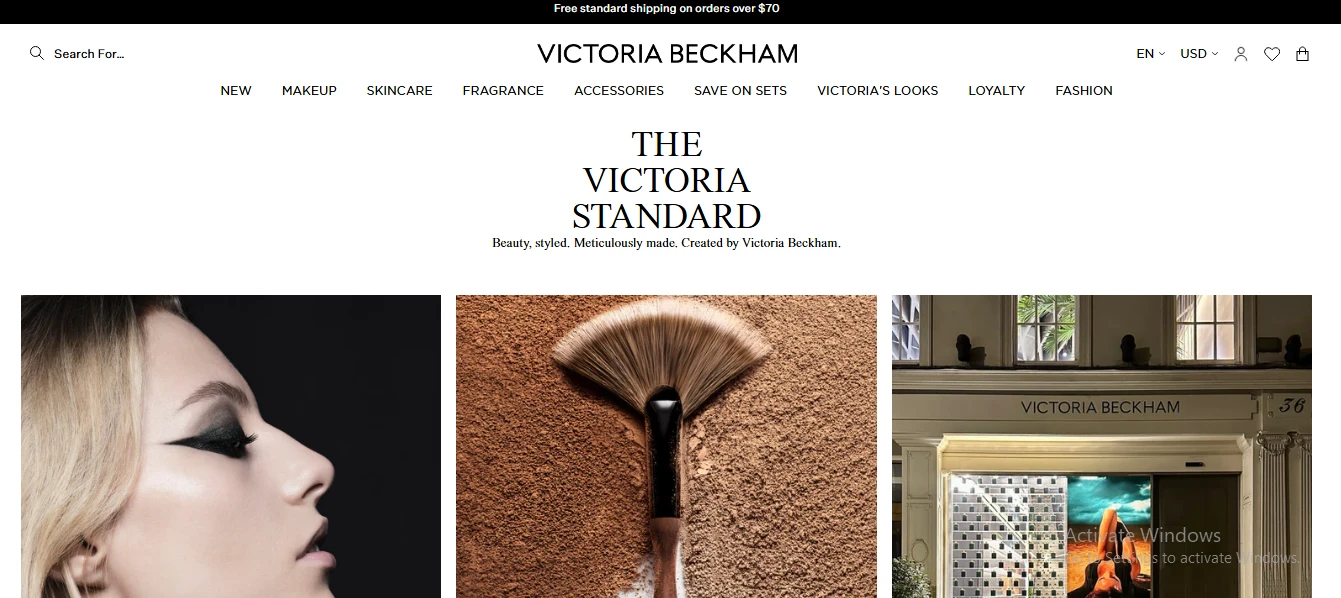
That’s why the brand has been associated with a headless Shopify build, leveraging a modern Jamstack approach to deliver speed and design freedom without compromising on checkout reliability. With Shopify operating as the commerce backend and a headless frontend powering the experience, Victoria Beckham Beauty can keep the site feeling “editorial” and on-brand, while still benefiting from Shopify’s secure transaction layer.
What Victoria Beckham Beauty has achieved:
- More freedom to create a premium, content-led storefront
- Faster, smoother performance through a modern headless stack
- A flexible architecture to support future growth
5. Inkbox
Lastly, Inkbox is known for its semi-permanent tattoos and highly visual, experience-driven product discovery, where shoppers often need rich previews and interactive browsing before they purchase. For brands like Inkbox, a traditional storefront can become limiting once you want more experimentation with layout, media, and custom UX logic.
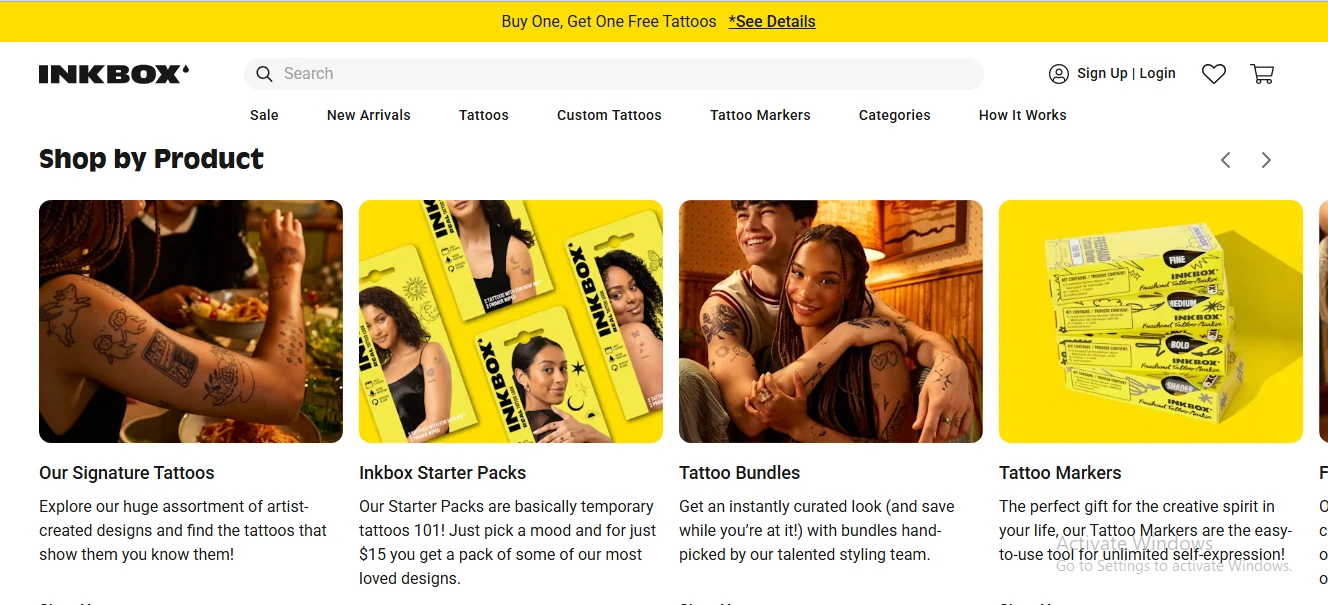
Inkbox is often highlighted as a strong example of what headless Shopify can enable, combining Shopify’s commerce backend with a custom frontend experience built to dynamically feature curated Shopify collections and interactive preview tools. This approach gives the brand more room to craft a unique discovery journey while keeping the core commerce functions stable and scalable behind the scenes.
What Inkbox has achieved:
- A more interactive, brand-first shopping experience
- Greater flexibility to design custom UX beyond theme constraints
- Stronger agility for continuous storefront experimentation
6. Kylie Cosmetics
After experiencing explosive growth, Kylie Cosmetics needed a storefront architecture that could support massive traffic spikes while still delivering a highly branded shopping experience. That’s why the brand adopted a headless Shopify Plus setup that allowed more flexibility on the customer-facing side.
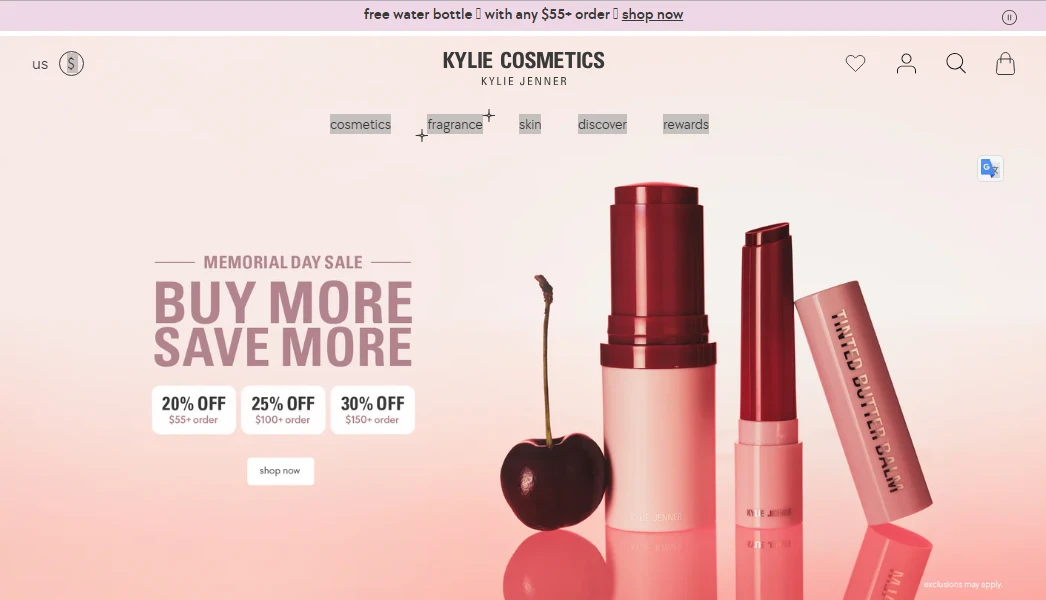
This approach gave the brand much more room to integrate third-party services, customize the storefront experience, and maintain stability during large product launches. For celebrity-driven beauty brands where launches generate intense surges in traffic and engagement, this level of scalability becomes especially important.
What Kylie Cosmetics has achieved:
- Greater flexibility for customizing frontend experiences
- Better scalability during high-traffic product launches
- Stronger integration capabilities across external services and tools
7. ILIA Beauty
ILIA Beauty adopted Shopify headless commerce after outgrowing a more traditional storefront structure and needing a faster, more content-rich customer experience. The brand wanted to create visually immersive shopping journeys without compromising performance, particularly as product discovery became more central to the buying experience.
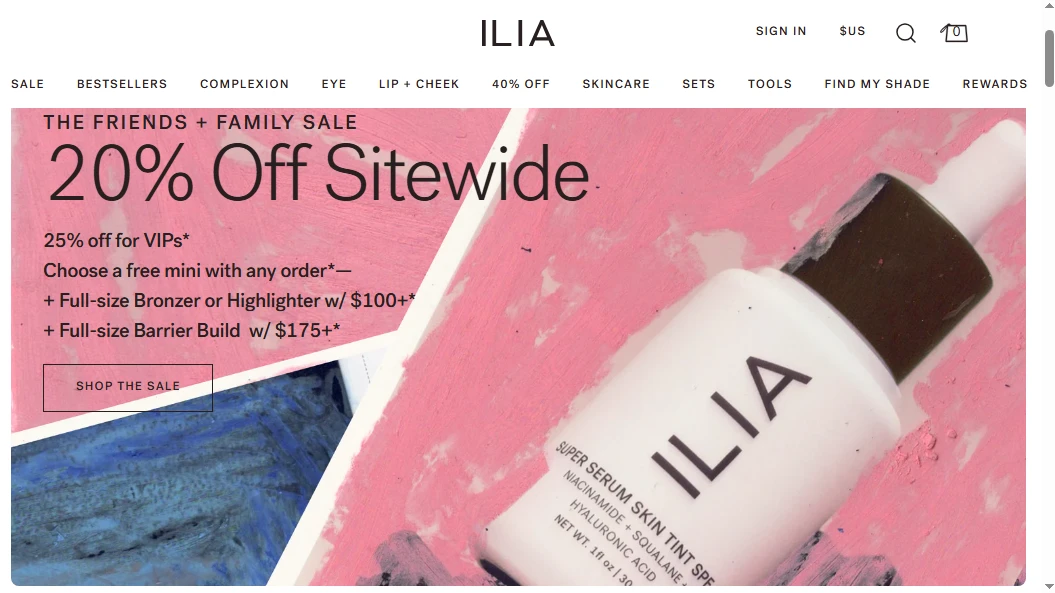
By implementing a headless architecture on Shopify Plus, ILIA gained much more freedom to experiment with interactive content, richer visuals, and personalized shopping tools while still keeping page speed optimized. One standout example is its “Find My Shade” functionality, which helps customers identify products more accurately without slowing down the storefront experience.
What ILIA Beauty has achieved:
- Faster storefront performance despite heavier visual content
- More flexibility for content experimentation and UX improvements
- A smoother personalized shopping experience through custom features
8. Paul Valentine
Paul Valentine, the global jewelry brand, turned to Shopify headless after managing content and storefront experiences across multiple regional stores became increasingly difficult within a traditional setup. The company eventually rebuilt its frontend using Vue.js and Shopify Storefront API to create a more scalable international architecture.
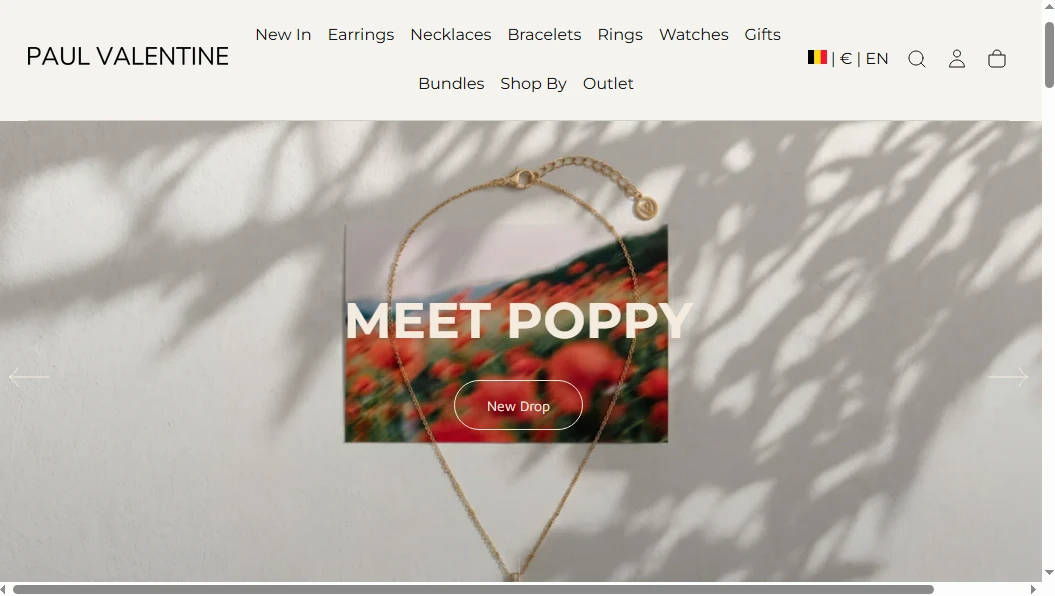
Plus, since the brand operates across many local markets, flexibility and centralized management became major priorities. A headless structure, therefore, allowed the team to maintain better control over localized storefront experiences while still relying on Shopify Plus as the centralized commerce backend.
What Paul Valentine has achieved:
- More efficient management across multiple localized storefronts
- Greater frontend flexibility for international expansion
- A cleaner and more scalable global commerce architecture
9. Veloretti
Veloretti, the premium bicycle brand, adopted a headless Shopify setup to create a much more design-driven shopping experience that aligned with its fashion-oriented branding. Instead of using a standard ecommerce storefront structure, the company built a custom React frontend connected to Shopify Plus through the Storefront API.
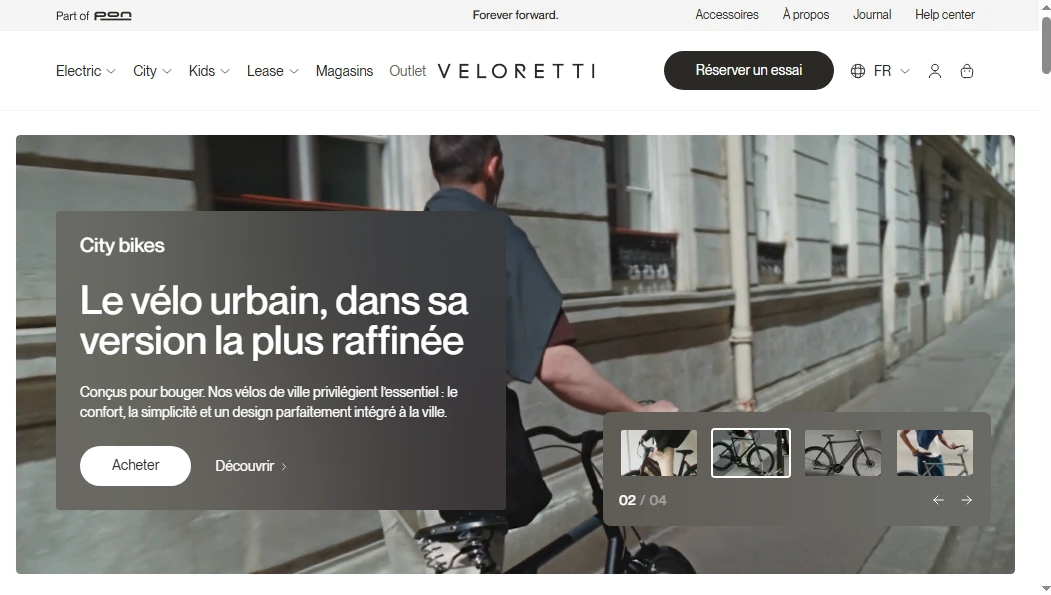
The brand specifically wanted more control over how different product categories were presented visually. For example, Veloretti used separate visual themes for traditional bicycles and electric bicycles, while still keeping the overall brand identity cohesive.
Overall, a headless architecture gave the company far more flexibility to balance technical product information with a highly curated premium storefront experience.
What Veloretti has achieved:
- Greater design freedom across different product experiences
- A more premium and visually differentiated storefront
- Better flexibility for combining branding with technical product content
10. BonLook
BonLook, the Canadian eyewear retailer, implemented Shopify headless commerce to support a more advanced omnichannel shopping experience that blended online and offline interactions more seamlessly. Since the brand offers prescription-based customization, the storefront experience required significantly more flexibility than a traditional ecommerce setup could comfortably provide.

Through a headless Shopify Plus architecture, BonLook introduced features such as virtual try-on experiences, lens customization workflows, and more personalized product selection journeys. At the same time, the company continued leveraging Shopify’s backend infrastructure for commerce operations and integrations.
All in all, this setup allowed the brand to deliver a much more interactive customer experience without sacrificing operational stability.
What BonLook has achieved:
- A more seamless omnichannel shopping experience
- Advanced interactive features like virtual try-on functionality
- Greater flexibility for handling customized purchasing workflows
When to Choose Shopify Headless
For many stores, a traditional Shopify setup is actually still more than enough to support daily operations and growth.
However, there comes a point where businesses begin to feel constrained by what a theme-based storefront can realistically support. If you find yourself in one of the following scenarios, Shopify headless might become a strong strategic investment:
1. When your storefront experience no longer fits within Shopify theme limitations
Traditional Shopify themes are designed to help merchants launch stores quickly and manage them easily. For many businesses, that convenience is exactly what makes Shopify attractive in the first place.
The problem usually starts when brands want to move beyond standard storefront experiences. Over time, your team may want more advanced layouts, immersive storytelling sections, highly interactive product pages, or completely custom shopping flows that no longer behave like a typical Shopify store.
In that case, rather than spending time working around Shopify themes, a headless setup will help you remove frontend restrictions entirely. Developers can now build the storefront independently using modern frameworks and custom technologies, while Shopify continues powering the backend commerce operations behind the scenes.
2. When your business is growing across multiple markets and customer touchpoints
As businesses expand, managing a single storefront for every audience often becomes increasingly inefficient. After all, different regions may require different languages, currencies, promotions, navigation structures, or localized content. At the same time, brands may also begin selling through additional touchpoints such as mobile apps, campaign microsites, in-store experiences, or even custom digital platforms outside the main website.
Trying to force all of these experiences into one traditional Shopify frontend can quickly create operational and technical complexity. Fortunately, Shopify headless makes this much easier because the frontend and backend operate independently from each other. The platform can continue acting as the centralized commerce engine for products, inventory, customers, and orders, while entirely separate storefront experiences are built on top through APIs.
3. When your business already has the technical resources to support a custom architecture
One of the most important realities about Shopify headless is that it introduces significantly more technical responsibility than a standard Shopify setup:
- With traditional Shopify, themes, hosting, security updates, and most storefront functionality are tightly integrated into the platform itself.
- For headless commerce, once the frontend becomes custom-built, businesses are 100% responsible for managing development workflows, API integrations, deployment processes, frontend maintenance, and ongoing optimization.
That is why Shopify headless tends to work best for businesses that already have experienced developers internally. Or, at the very least, your team should partner with agencies specializing in composable commerce and custom storefront development. Otherwise, without the right technical support, the added flexibility can easily become overwhelming.
Shopify Headless 2026 and Beyond
As we move into 2026, Shopify headless is expected to grow into a serious competitive advantage for brands that need more speed, flexibility, and omnichannel reach.
In fact, industry research from Coherent Market Insights projects the global headless commerce market to grow from $1.74B (2025) to $7.16B by 2032, at a 22.4% CAGR, showing how quickly more brands are adopting decoupled storefront architectures.
On Shopify specifically, the ecosystem is clearly doubling down on headless as a mainstream path, with Hydrogen (React-based framework) and Oxygen (Shopify’s hosting runtime) positioned as Shopify’s official stack for building and scaling headless storefronts.
Looking ahead, the most likely direction is that more Shopify merchants will adopt “headless-first” strategies not only for performance, but also for faster experimentation, personalization, and multi-touchpoint commerce (web, mobile, in-store, and beyond).
However, the biggest challenge will remain execution cost and complexity, meaning headless will keep accelerating at the enterprise level first, before becoming truly plug-and-play for smaller teams.
Shopify Headless – FAQs
What is headless in Shopify?
Shopify Headless refers to a way of using Shopify where you separate the front-end of your online store (the "head") from the back-end platform (the "body"). Instead of using Shopify's pre-built themes, you connect to your Shopify store's data using APIs. This gives you complete freedom to design and build your storefront with any technology you want – websites, mobile apps, voice assistants, you name it, while still leveraging Shopify's powerful ecommerce engine for managing products, orders, and more.
How much does Shopify headless cost?
Shopify Headless itself doesn't have a separate price tag. You'll need to be in the Shopify Plus plan (starting from $2,500/month) to be eligible for this feature. However, the development costs for building and maintaining a custom headless storefront can be significantly higher than using Shopify's standard themes. You'll likely need experienced developers, either in-house or through an agency, which can add up.
What is the difference between headless and traditional Shopify?
Traditional Shopify is like buying a pre-designed house. You can customize it to some extent, but you're limited by its existing structure.
Headless Shopify is like buying a plot of land and building a custom house from scratch. You have total control over the design and functionality but need more expertise and resources to build it. Traditional Shopify is simpler and more affordable, while Headless Shopify offers ultimate flexibility and customization.
What are the headless limitations of Shopify?
While powerful, Shopify Headless does have limitations. Not all of Shopify's features are immediately accessible through the API, potentially requiring custom workarounds. You'll also need more technical expertise to manage a headless setup compared to traditional Shopify. Additionally, many convenient features from the Shopify ecosystem, like the app store and pre-built integrations, may require more complex integrations or be unavailable in a headless architecture.
Final Words
Shopify Headless Commerce represents a significant evolution that allows enterprises to craft truly unique online experiences while seamlessly syncing every Shopify product status behind the scenes. We hope that this article can help you catch a glimpse of this powerful eCommerce model and decide if you should go for headless Shopify.
If you like this article and want to explore more about this platform, don’t forget to check out other Shopify blogs on our website.