When it comes to convenient and easy-to-use website builders, Wix vs Squarespace easily stands out among the countless options available. But the big question still remains: between the two, which one is actually the right choice for you?
No worries; we’re here to help! The following sections break down these two platforms across nine key criteria, including:
- Templates
- Customization options
- Pricing
- Ease of use
- eCommerce features
- SEO & Marketing
- Blogging
- Apps & Integration
- Customer support
Without further ado, let’s get started!
About Wix vs Squarespace
Before jumping into a detailed comparison, let’s look at the core characteristics, strengths, and limitations of each platform to understand what Wix vs Squarespace brings to the table.
Wix pros & cons
Wix is a cloud-based website builder recognized for its beginner-friendly drag-and-drop editor and extensive app ecosystem. The platform currently powers over 8.7 million live websites worldwide (according to BuiltWith) and enjoys strong adoption among individuals and small businesses.
Pros
- Intuitive drag-and-drop editor
- Extensive template library (2,000+ templates)
- Supports 100+ payment providers
- Large app marketplace (500+ apps)
- Strong customer support (24/7 callback, live chat, Help Center)
Cons
- The cheapest plan (Light) can’t accept online payments
- Live chat isn’t available 24/7 (English chat runs on weekdays only)
- Basic eCommerce functionality compared to dedicated platforms
Squarespace pros & cons
Squarespace is another cloud-based website builder that emphasizes sleek design and an all-in-one ecosystem. It is widely used by creatives, bloggers, and small businesses looking for visually polished websites with built-in tools. Data shows that Squarespace powers over 8.5 million live websites globally (BuiltWith).
In the Wix vs Squarespace matchup, Squarespace focuses more on design consistency and built-in features rather than extensibility. However, it also comes with limitations in terms of integrations and flexibility.
Pros
- Intuitive interface with a clean editing experience
- More affordable plans for selling online and at the top tier
- Advanced customization options (including code injection)
- High-quality, professional templates
- Strong blogging monetization features
- Built-in SEO essentials (XML sitemaps, schema markup, clean URLs)
Cons
- Smaller template selection (around 190 templates)
- Fewer apps and integrations (55 extensions)
- No phone support, and live chat is only available on weekdays
- Basic eCommerce features compared to specialized platforms
Wix vs Squarespace: Which Is Better?
While these two platforms have their strengths and weaknesses, Wix still emerges as the superior choice across most key criteria. Below are some key insights we have gathered from our testing:
Key Takeaways:
- Both platforms are equally beginner-friendly with intuitive drag-and-drop editors.
- Squarespace is cheaper to start selling online ($19 vs. $29/month) and far more affordable at the top tier ($99 vs. $159/month), while Wix offers the cheapest plan for simple, non-selling sites.
- Wix’s template library is roughly ten times larger than Squarespace’s and, as a result, offers significantly more design variety.
- Wix provides superior eCommerce capabilities, including pre-order tracking and broader tax automation coverage.
- Wix excels in customer support with 24/7 callback support (in English), live chat in 10 languages, and an extensive Help Center, while Squarespace offers 24/7 email and weekday live chat but no phone support.
Want to know how we reached these conclusions? Keep reading for our detailed comparison!
|
Criterion |
Wix |
Squarespace |
Winner |
|
Templates |
2,000+ templates, highly diverse and categorized, with an AI website builder available |
~190 templates, fewer but generally more polished and professional-looking |
Wix |
|
Customization |
Advanced tools such as the Wix Studio Editor and Velo, with pixel-level control, custom CSS, and JavaScript APIs |
Strong customization with CSS, code injection, and developer tools |
Tie |
|
Pricing |
$17–$159/month; cheapest for simple sites, but online selling starts at $29/month |
$19–$99/month; cheaper to start selling and far more affordable at the top tier |
Squarespace |
|
Ease of Use |
Beginner-friendly with an AI website builder and a drag-and-drop editor |
Beginner-friendly with drag-and-drop editing and Blueprint AI |
Tie |
|
eCommerce Features |
Stronger overall, with 100+ payment providers, pre-order tracking, and near-global tax automation |
More basic features, fewer payment processors, and tax automation limited to U.S. sales tax, EU/UK VAT, and GST |
Wix |
|
SEO & Marketing |
Strong marketing tools with advanced technical SEO controls (robots.txt, bulk redirects, structured data) |
Strong built-in email and social marketing tools with solid SEO essentials |
Tie |
|
Blogging |
Monetization options, member content, and forum features |
Paywalls, subscriptions, and strong content management features |
Tie |
|
Apps & Integration |
500+ apps with an extensive ecosystem |
55 extensions with fewer integration options |
Wix |
|
Customer Support |
24/7 callback support (English), live chat in 10 languages, and an extensive Help Center |
24/7 email support, weekday live chat, and an AI assistant; no phone support |
Wix |
1. Templates (Wix wins)
The Verdict
Overall, both Wix and Squarespace feature sleek, professional designs tailored to the most popular industries and niches available. Nevertheless, thanks to its significantly larger collection of over 2,000 templates (compared to Squarespace’s 190 or so), Wix still stands out as the clear leader here.
The sections above have briefly touched on the template libraries of Wix vs Squarespace, though we haven’t yet gone into details. So, if you’re curious about their curated template selections, it’s time to read on for more insights:
Wix templates
Currently, Wix offers over 2,000 customizable templates, all completely FREE. You can also check out 40+ best Wix templates here.
If scrolling through such a vast collection sounds overwhelming to you, don’t worry! All templates are neatly organized by type (e.g., One Page, eCommerce, Portfolio & CV, and Blog) and by 15 industries, such as Business, Fashion & Style, and Restaurants & Food.

There’s also a handy search bar to help you quickly narrow down your options. And if none of the pre-designed templates meet your needs (though that is highly unlikely), you can always use the Wix AI Website Builder to generate a custom design tailored to your preferences.
Squarespace templates
In comparison, from our research, Squarespace currently offers a more modest selection of around 190 templates (roughly a tenth of Wix’s), which is quite a limitation if design variety is your top priority. On the brighter side, Squarespace compensates for its small library with stunning, vibrant, and polished designs, perfect for websites that must look both professional and attention-grabbing.

The templates are neatly organized into 10 main categories (e.g., Creative Services, Beauty, Health & Wellness), each with more specific niche topics, so you can quickly find a design that fits your industry.
2. Customization options (A tie)
The Verdict
All in all, while Squarespace and Wix may not yet rival enterprise-grade solutions like Magento, they still offer impressive customization options for seasoned developers to experiment and create truly unique website designs. Once again, our comparison ends in another tie between Wix vs Squarespace.
As you can see, the templates and drag-and-drop tools discussed earlier provide a solid starting point for fresh beginners on Wix vs Squarespace. Nevertheless, for those craving more advanced features, it’s natural to start wondering about other customization options (if available). Don’t worry; we’ll cover them now.
Wix customization
Although both the Wix AI Website Builder and the Wix Editor are incredibly user-friendly, they only scratch the surface of what Wix has to offer. In fact, Wix provides two more advanced options for deeper customization:
- Wix Studio Editor: The successor to Editor X, it uses CSS Grid and Flexbox for precise alignment and grouping across all breakpoints, adjusts elements at the pixel level, and supports custom CSS for unique visuals and animation effects. You can also save custom assets (such as pre-designed templates) for future use in multiple projects. Even better, the editor allows multiple team members to collaborate in real time on the same project.
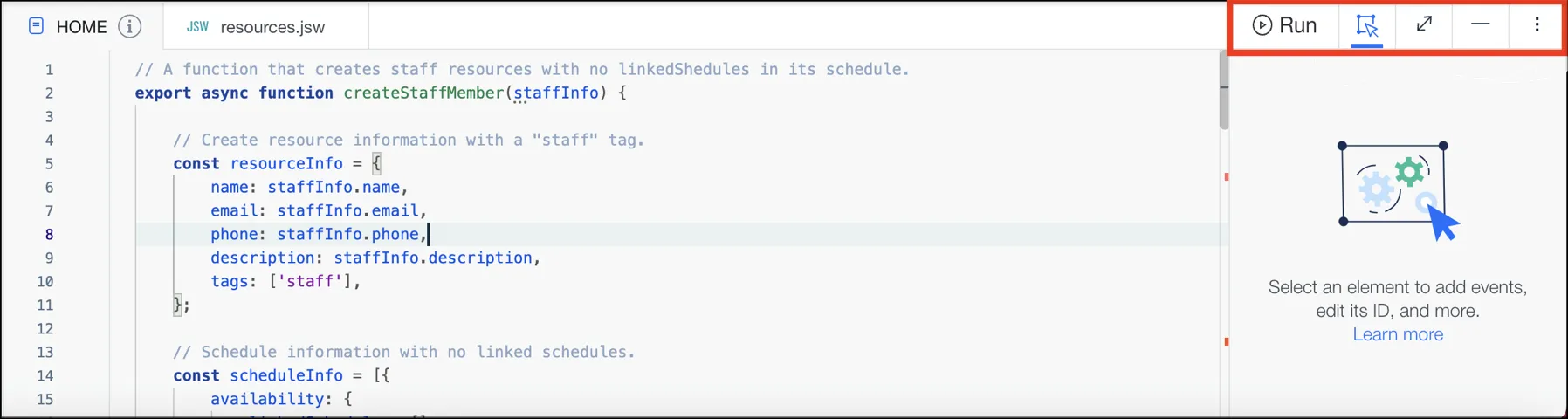
- Velo by Wix: With Velo, users can add custom functionality and interactions using their own JavaScript code, as well as advanced feature integrations via APIs. Most importantly, Velo offers extra tools to test backend code straight away without requiring front-end triggers.
Squarespace customization
Similar to Wix, Squarespace has introduced a variety of customization tools that go far beyond its basic preset settings. Notable examples include:
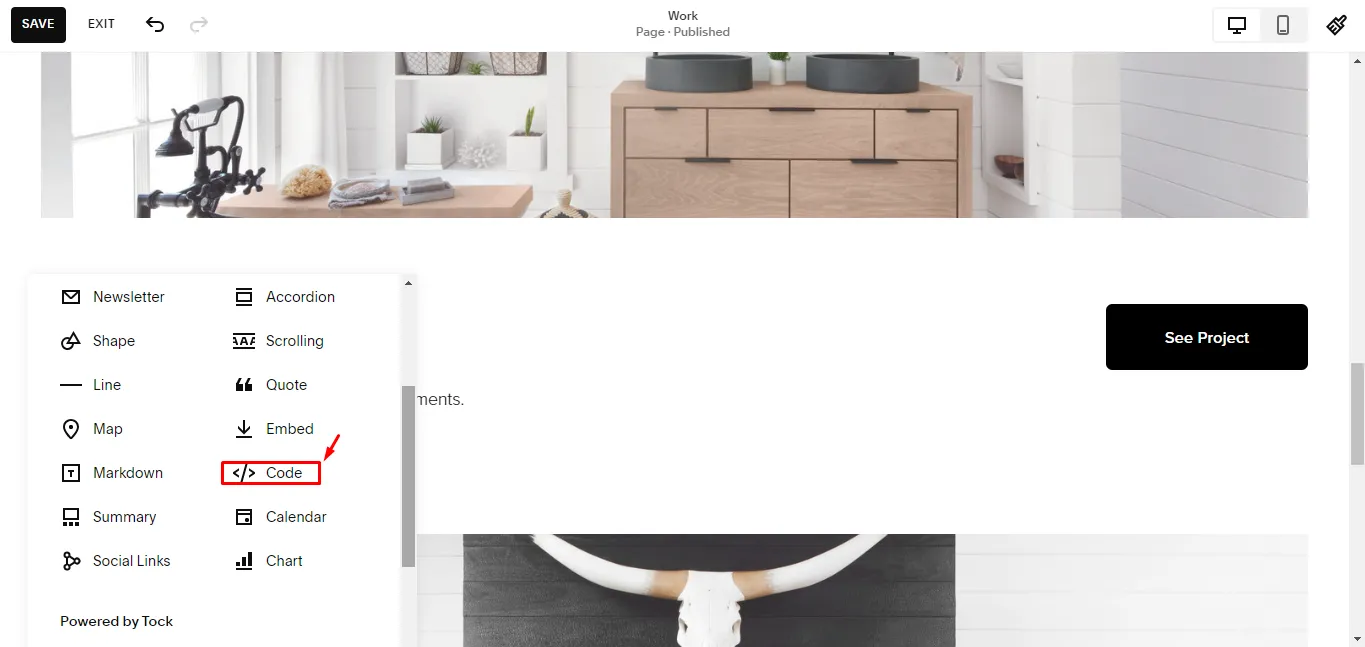
- Code block: You can add HTML, CSS, or Markdown to customize a specific page’s layout or design on any plan. On the Core plan and above, code blocks also support JavaScript and iframes for more advanced customizations.
- Code injection: Available on the Core plan and above, here’s your chance to add JavaScript or HTML to a specific page or the entire site (e.g., integrating live chat or Facebook Pixel).
- CSS editor: Feel free to customize fonts, backgrounds, and colors site-wide using CSS.
- Embed block: The feature enables users to insert external content using JavaScript or HTML that supports the oEmbed standard.
- Squarespace Developer Platform: Available only on legacy version 7.0 sites, it gives you direct access to the full underlying code of your template. Simply put, Squarespace offers complete control over custom template creation and even the option to stop receiving template updates (if desired). Sites on the current version 7.1 can still use code blocks, code injection, and the CSS editor instead.
3. Which is cheaper, Squarespace or Wix? (Squarespace wins)
The Verdict
In the Wix vs Squarespace pricing battle, Squarespace is the cheaper option for selling online: its Basic plan ($19/month) already lets you accept payments, while Wix’s cheapest plan that does (Core) costs $29/month. Squarespace also takes the lead at the top tier, with its Advanced plan costing $99 compared to Wix’s $159. Nevertheless, Wix’s Light plan ($17/month) remains the cheapest way to launch a simple, ad-free site, and the mid-tier plans of both platforms cost roughly the same ($29 to $49), meaning Wix remains a viable option if your website needs aren’t overly complex.
Next, our team conducted a detailed evaluation of the subscription pricing for both Wix vs Squarespace. (Note that ongoing site maintenance and development costs are excluded here since they heavily depend on your preferred level of customization). Here’s what we discovered:
Wix pricing
Currently, Wix offers four primary pricing plans geared toward individual creators and small to moderately-sized businesses, with prices ranging from $17 to $159 per month (billed annually). Note that the Light plan doesn’t support online payments, so you’ll need Core or above to sell:
|
Wix Subscription Plan |
Pricing per month (billed annually) |
Ideal for |
|
Light |
$17/month |
Getting the basics |
|
Core |
$29/month |
Engaging your audience |
|
Business |
$39/month |
Growing your brand |
|
Business Elite |
$159/month |
Scaling your business |
On the other hand, for agencies or freelancers managing multiple projects, Wix provides a separate solution, Wix Studio, which includes five different subscription packages. Prices start at $19 per month for the Basic plan (billed annually) and go up to custom pricing for the Enterprise plan:
|
Wix Studio Plan |
Pricing per month (billed annually) |
Ideal for |
|
Basic |
$19/month |
Building online brands (no online payments) |
|
Standard |
$27/month |
Accepting online payments |
|
Plus |
$34/month |
Capturing leads and boosting sales |
|
Elite |
$159/month |
Scaling business growth |
|
Enterprise |
Custom pricing |
Large-scale management |
To learn more about each package’s features, you can explore our Wix pricing review here.
Squarespace pricing
Just like Wix, Squarespace also offers four main subscription packages, primarily designed for small and medium-sized businesses. Following its mid-2026 price increase, these plans currently range from $19 to $99 per month (billed annually), as shown below:
|
Squarespace Plan |
Pricing per month (billed annually) |
Pricing per month (billed monthly) |
Ideal for |
|
Basic |
$19/month |
$25/month |
Personal sites and simple online stores (2% transaction fee) |
|
Core |
$29/month |
$39/month |
Growing businesses (0% transaction fees) |
|
Plus |
$49/month |
$65/month |
Selling more with lower card rates |
|
Advanced |
$99/month |
$139/month |
High-volume sellers and advanced commerce |
Want to take an even closer look at these subscription plans? Feel free to visit our Squarespace pricing review.
Move Your Wix Site to Squarespace with Ease
LitExtension Automated Migration Tool transfers your products, customers, orders, and blog posts from Wix to Squarespace – fast, accurate, and hassle-free.

4. Ease of use (A tie)
The Verdict
In terms of Wix vs Squarespace ease of use, it’s quite clear that both platforms are designed for ease of use and very few learning curves in general. For this reason, there’s no clear winner here; the round ends in a tie.
Next, we evaluate whether these two platforms offer an easy onboarding process and straightforward, accessible features for complete beginners. Let’s see how it turns out.
Wix ease of use
In terms of onboarding, Wix takes you straight to its website-building dashboard once you create an account. From here, you can choose between two options: the Wix AI Website Builder (which generates a custom site based on a short chat about your business) or the Wix Editor (which allows you to select a preset template and arrange elements using a drag-and-drop tool).
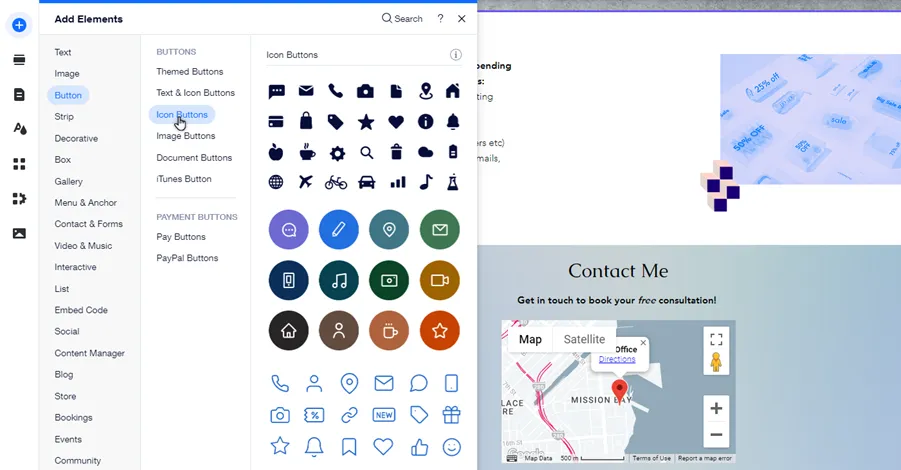
Of course, both approaches have their respective ups and downs, but the common thread is simplicity: neither requires coding or technical expertise! As a result, you can have a fully functional website (with basic sections and content) up and running in just 10 to 15 minutes.
Squarespace ease of use
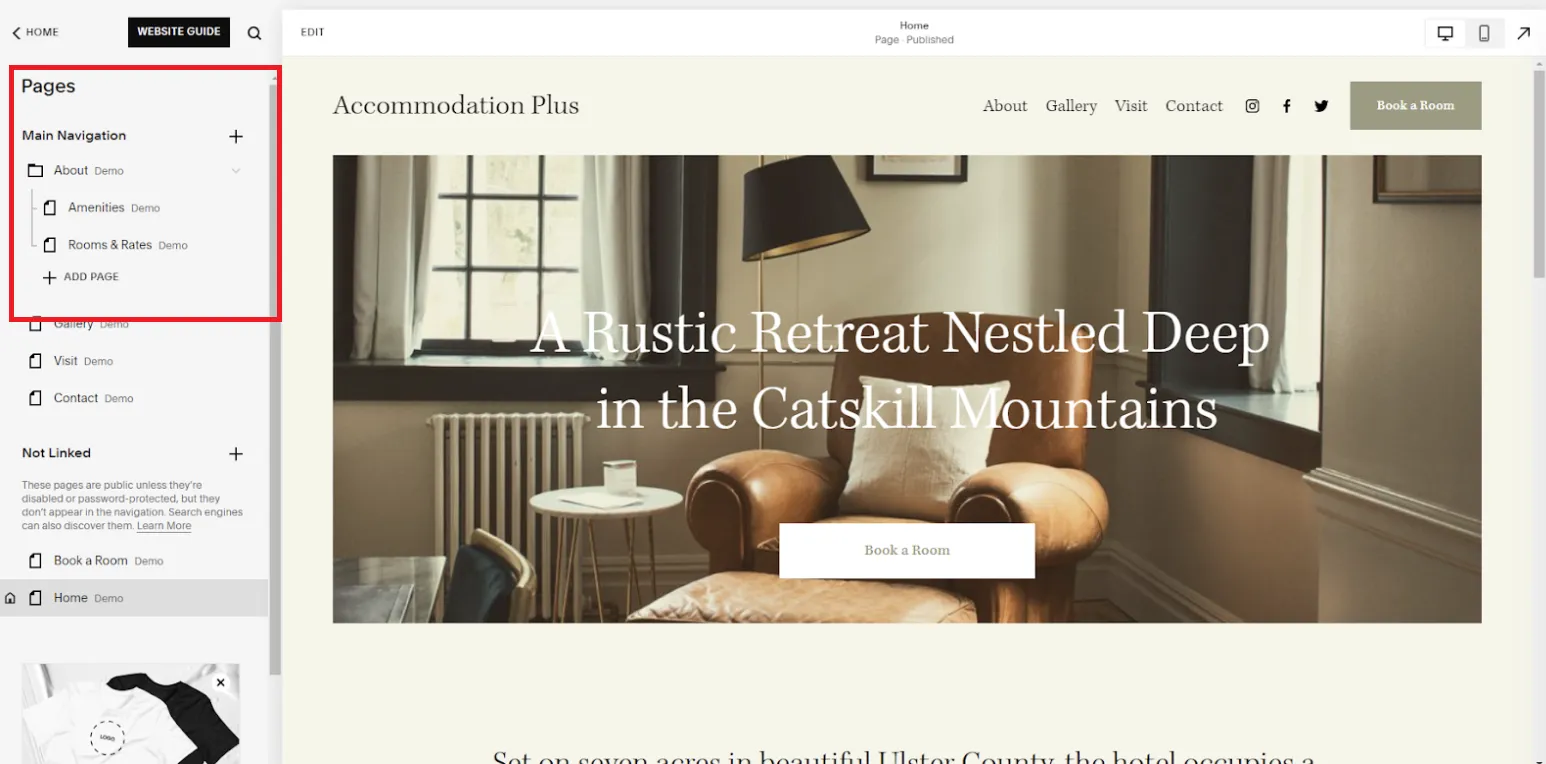
While not 100% identical (obviously), Squarespace’s onboarding and user experience are relatively similar to Wix. Specifically, once you create an account (a 14-day free trial is available, with no credit card required), you’ll be guided straight to its template library, where you can select a preset design and customize it using a simple drag-and-drop editor.
And to optimize the process even further, Squarespace also offers Blueprint AI, its built-in AI website builder. With just a few basic prompts, it generates a custom site layout and content, while Squarespace’s free business name generator and logo maker help you shape a brand that aligns with your long-term vision.
5. eCommerce features (Wix wins)
The Verdict
Overall, we must say both Wix and Squarespace have quite a lot of room for improvement; their selling features are relatively basic compared to most eCommerce competitors. Still, if we had to name a winner between Wix vs Squarespace, Wix stands out regardless due to its far more comprehensive menus and customizable settings.
Though neither Wix nor Squarespace is exclusively an eCommerce platform, their top-tier website-building features have made them popular choices among ambitious online store startups. With this in mind, our team has taken a closer look at their commerce capabilities:
Inventory management
From our experience, Squarespace provides a basic yet fairly reliable inventory management system.
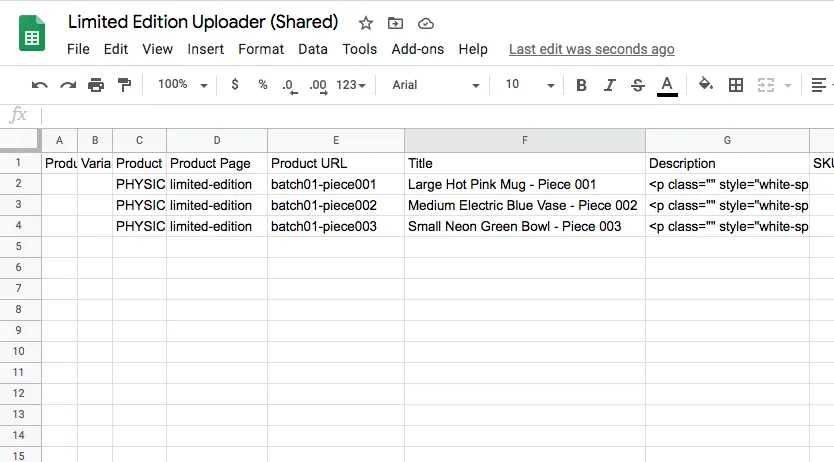
Its Products panel acts as an epicenter where users can manage all published, scheduled, and hidden products from one location through comprehensive filters, including price, stock levels, SKU, and more. Better yet, the platform supports bulk inventory management (updating multiple products to the system at once) either directly within the Products panel or through .csv file uploads.
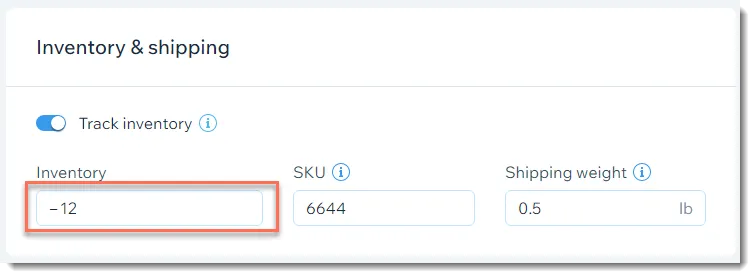
And how about Wix? All in all, Wix’s inventory management is quite similar to Squarespace in most aspects. The only notable difference is Wix’s ability to track pre-orders: the platform includes pre-order items in inventory tracking and displays them as negative stock levels (e.g., -30 items). As a result, Wix merchants can easily and accurately calculate how many items to restock in the immediate future.
Payment processing
Currently, Squarespace supports a fairly modest set of payment processors: its native Squarespace Payments, Stripe, and PayPal (including Venmo), with Square reserved for in-person sales via the Squarespace app.
Squarespace Payments accepts all major card brands (e.g., Visa, Mastercard, and American Express), Apple Pay, buy-now-pay-later options like Afterpay and Klarna, and ACH bank payments for U.S. merchants, while also allowing for convenient setups of recurring payments.

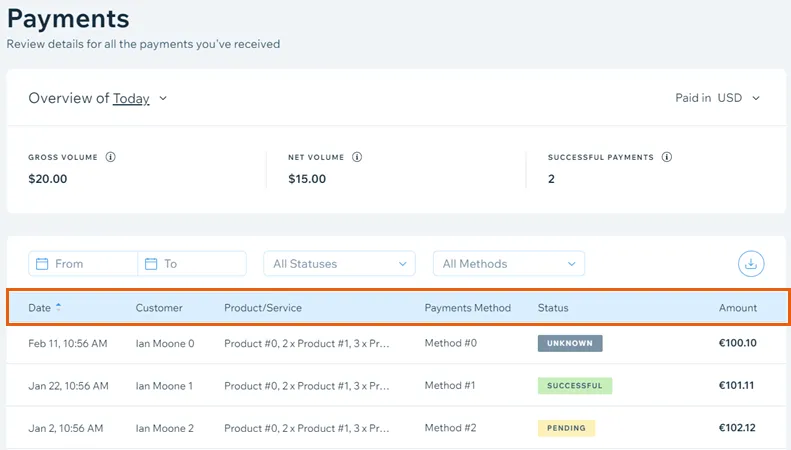
In contrast to Squarespace’s relatively modest selection, Wix currently supports over 100 payment providers, including everything Squarespace offers AND more. There’s also the Wix Payments solution, which integrates multiple payment methods into one system (just like the Squarespace Payments discussed earlier) to help reduce unnecessary friction.
Shipping and tax
Regarding shipping and tax, Squarespace provides sufficient settings to meet the most basic needs of small to medium-sized merchants.
For shipping, for instance, you can choose from six core options: flat rate, weight-based, carrier-calculated, free shipping, local pickup, and local delivery. To take a more customer-focused approach, feel free to assign unique shipping rates to individual products, offering more flexibility in your delivery logistics!
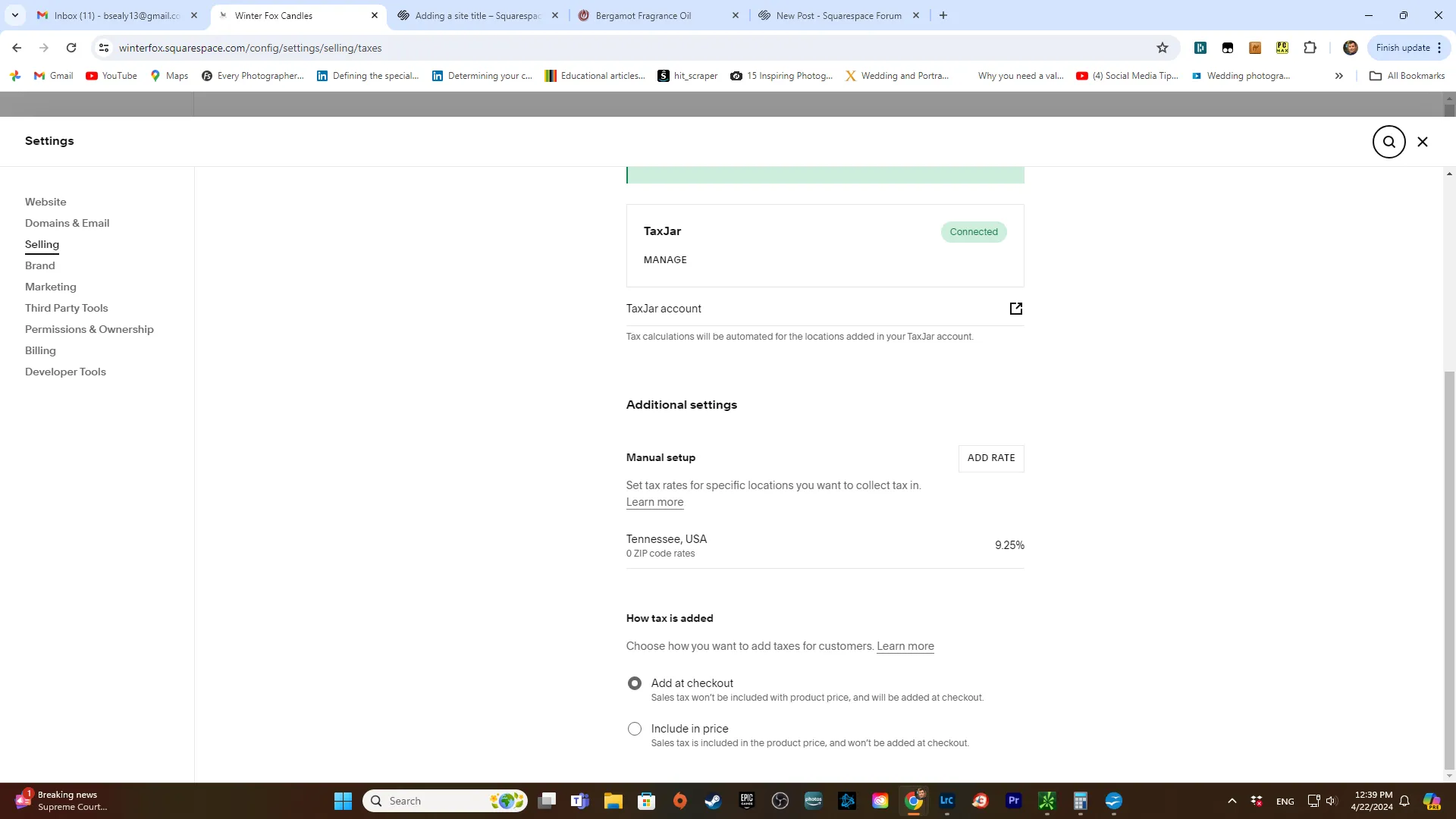
In terms of tax settings, Squarespace supports both automatic and manual tax calculation methods. On the Core plan and above, automated taxes cover U.S. sales tax, EU and UK VAT (including the EU One-Stop Shop), and GST, based on factors like the customer’s shipping address. Merchants selling elsewhere, or those on the Basic plan, still need to configure tax rates manually.
Let’s now move on to Wix. Wix offers even more shipping options than Squarespace: free shipping, flat rate, rates by order total, weight, or item quantity, real-time USPS rates (for U.S. merchants), local delivery, and store pickup. Better yet, delivery profiles let you set separate rules for different product groups, and you can customize both international and domestic shipping rates for each region. Setting multiple shipping methods per city or region is also quite a breeze.
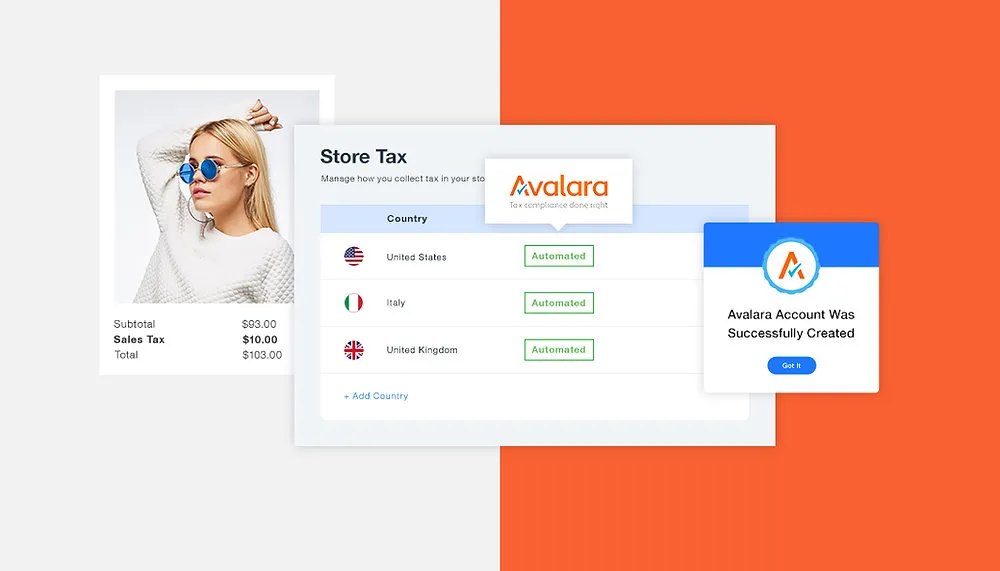
Regarding Wix taxes, Wix also supports both automated calculations with Avalara (with no extra Avalara fees, on eligible plans) and manual setup. The key difference here is coverage: Avalara works in nearly every country (with only a few exceptions, such as India and Brazil), while Squarespace’s tax automation is limited to U.S. sales tax, EU/UK VAT, and GST.
6. Wix vs Squarespace SEO & Marketing (A tie)
The Verdict
Overall, both platforms in this Wix vs Squarespace round impress with their robust marketing tools. Wix offers more advanced technical SEO controls, while Squarespace shines with built-in email marketing and social media tools, so the difference between the two isn’t clear-cut enough to declare a winner. Hence, this round ends in a tie.
Once the store is set up and you have already configured all the essential settings, it’s time to focus more on its long-term visibility. How can Wix and Squarespace help you achieve this critical goal? Scroll to find out.
Wix SEO & Marketing
Overall, we are quite impressed with Wix’s holistic and diverse marketing features. Let’s have a look at some standout options:
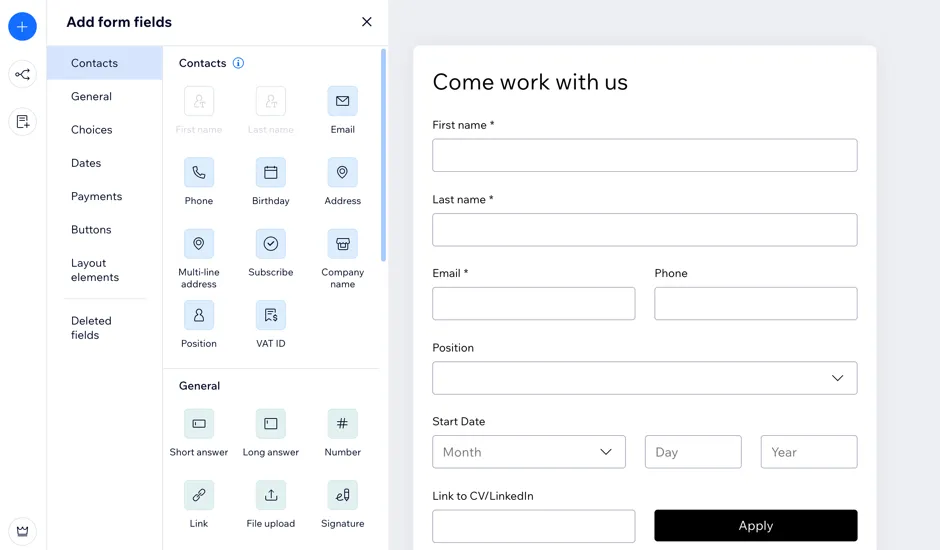
- Lead-capture forms: You can easily integrate customizable forms into your website (e.g., event registrations or quizzes) to generate and organize leads.
- Google Ads: With this feature, it’s a breeze to promote your business across Google platforms, including search results and YouTube, and drive more traffic to your site.
- Customer accounts: Wix offers returning customers the ability to create accounts and save all their preferred checkout details, such as delivery information and payment methods. It bolsters their shopping experience and, as a result, encourages repeat purchases.
- Automatic discounts: Want to set up automatic discounts at checkout to boost conversion rates? Wix makes it easier than ever. You can even set up loyalty programs to reward loyal customers with redeemable points.
When it comes to SEO, Wix has also come a long way. Beyond the basics like title tags, meta descriptions, keyword-friendly URLs, and indexability control, it now offers a robots.txt editor, automatic structured data markup, bulk 301 redirects, and an SEO Setup Checklist that connects your site to Google Search Console.
Squarespace SEO & Marketing
How about Squarespace? We are delighted to learn that the platform doesn’t disappoint when it comes to marketing features. There are a wide range of native tools you can leverage for better site visibility, including:
- Email campaigns: Squarespace allows you to create cohesive, branded content and effective email campaigns directly within its ecosystem. Feel free to track performance via the built-in analytics and refine your strategy over time.

- Unfold app: Producing professional-quality social media content is no longer a headache with Unfold, Squarespace’s content creation app. It offers hundreds of customizable templates for Stories, Reels, and posts (400+ with the paid Unfold+ tier), plus stylish fonts, unique filters, and even fun stickers to create content that matches your brand’s aesthetics.
- Social media integrations: Whenever applicable, you can always integrate with Instagram, Facebook, X (formerly Twitter), etc., to expand your reach. The Image Resizer is another excellent tool to consider if you want to create perfectly formatted visuals for each platform.
- Contacts: The Contacts feature allows you to gain an insightful overview of customer data. From here, you will find it easy to segment your audience and adjust marketing efforts accordingly.
In terms of SEO settings, Squarespace covers the essentials well. Aside from customizable meta titles, URLs, and descriptions, you will find XML sitemaps automatically generated for your site to ensure the posts are properly indexed. Furthermore, Squarespace also adds structured data markup (schema) so that search engines like Google or Bing can better understand your content. However, it offers fewer technical SEO controls than Wix.
Planning to migrate your store but worried about SEO loss? You shouldn’t miss our detailed, step-by-step website migration checklist!
7. Blogging (A tie)
The Verdict
When comparing Wix vs Squarespace for blogging, both platforms have been doing a great job with their capabilities to ensure your site caters to different readers (prospects, casual visitors, dedicated subscribers, etc.). So, for this round, it’s another tie.
Another critical aspect to consider regarding the Wix vs Squarespace face-off is their blogging capabilities. Our team has thoroughly examined how Wix and Squarespace organize and develop this feature.
Wix blogging
Overall, Wix offers all the tools required to deliver basic yet functional blog sections for your website.
Specifically, the platform introduces a robust text editor that supports multimedia integration (such as videos and images) so bloggers can craft dynamic and more engaging posts. It also encourages community interaction with special features like member-only access, forums, and discussion options.
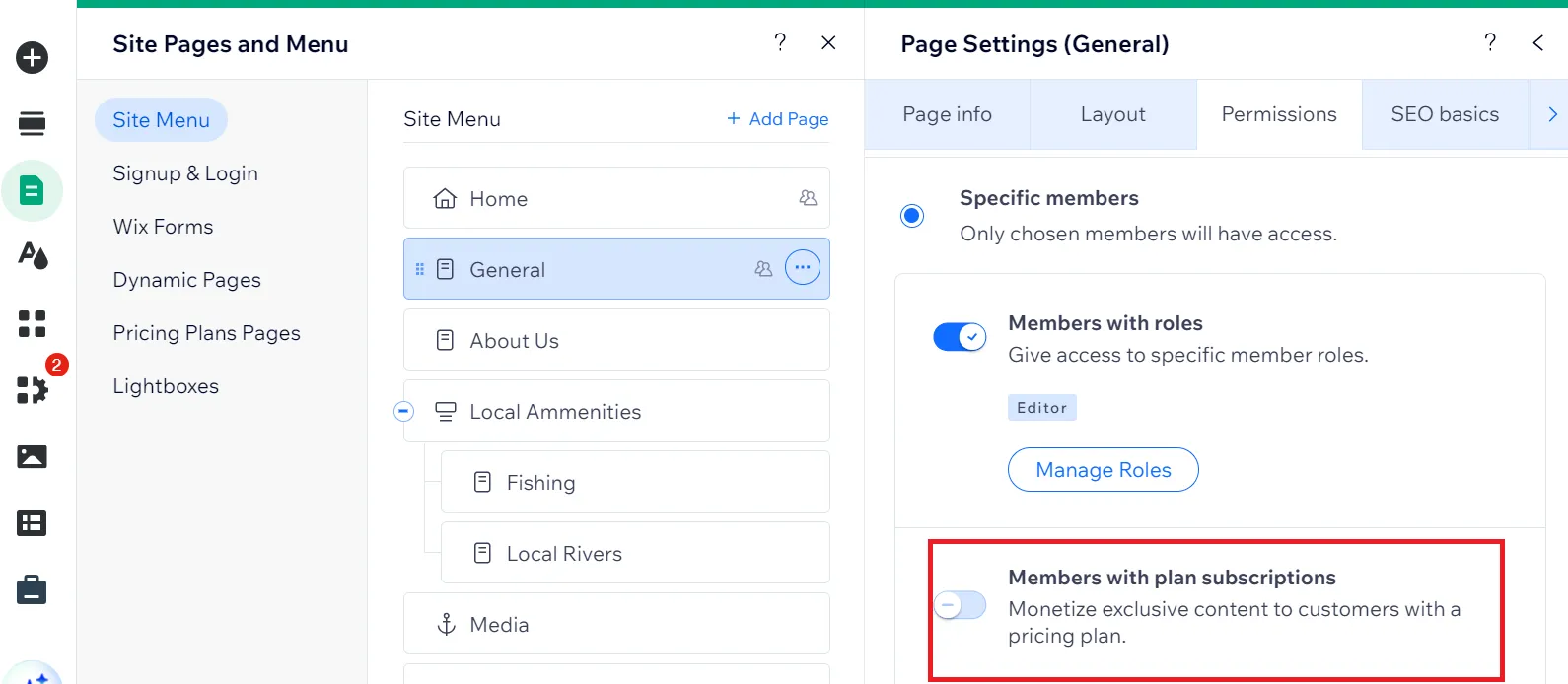
And the best part? Wix provides golden opportunities for bloggers to generate income. For instance, your business may set up earning channels through Google AdSense or offer subscription-based exclusive content. Hosting webinars, selling courses, and even organizing events directly through the blogs are also viable options.
Squarespace blogging
Like Wix, Squarespace also provides quite a well-rounded set of blogging tools. It doesn’t take much effort to create and manage blog posts with a centralized editor that supports various content blocks, including text, images, videos, and more.
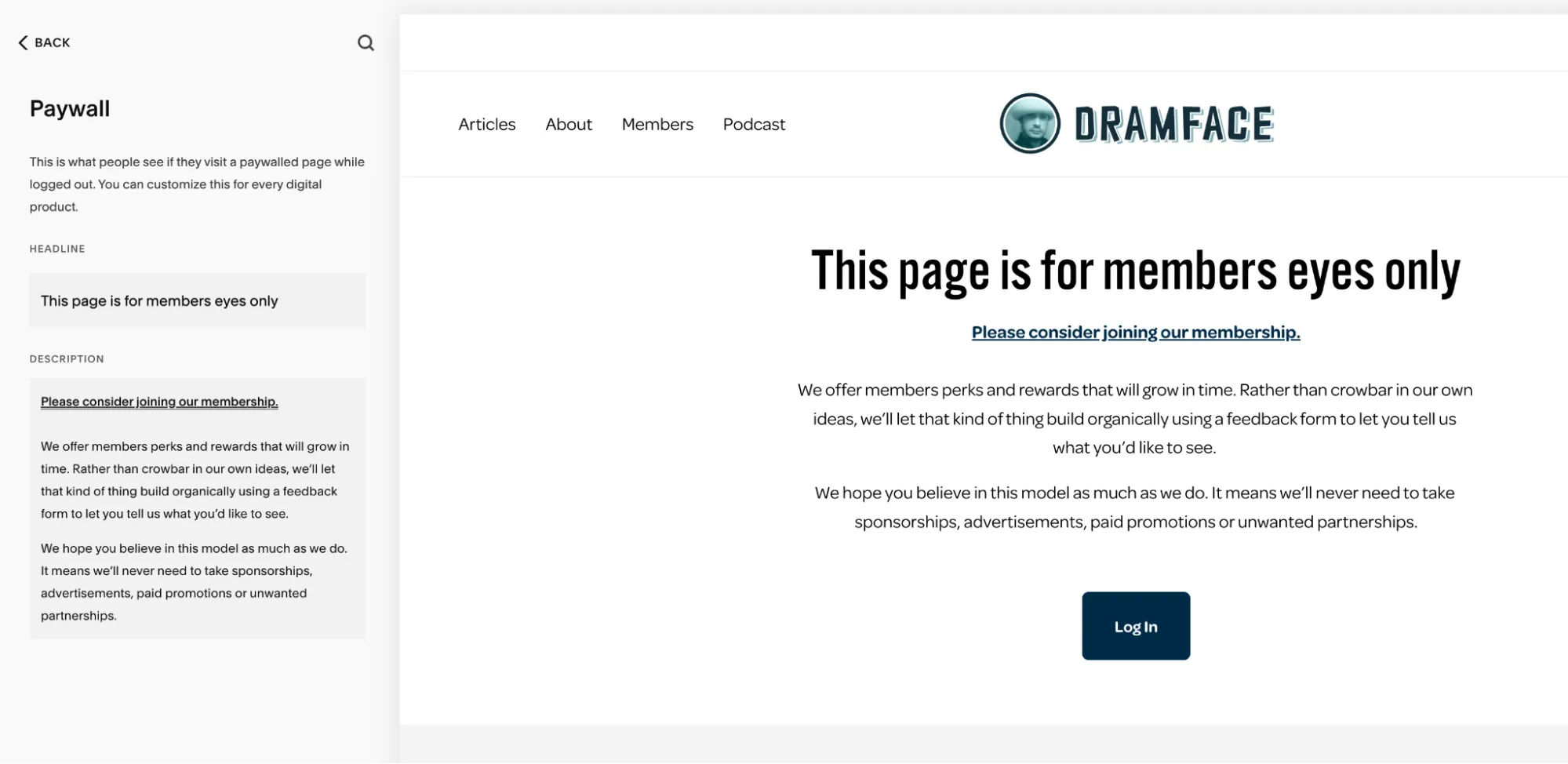
Monetization is another strong point here. You have the option to put your blog behind a paywall, restricting access to the posts only or to the entire blog page. Visitors must sign up or subscribe to access the full content; if desired, feel free to set individual posts as free public previews to draw in more potential subscribers.
8. Apps & Integration (Wix wins)
The Verdict
In the Wix vs Squarespace app comparison, Wix’s library is nearly ten times the size of Squarespace’s, so Wix clearly outshines Squarespace by a long mile here. The winner between the two is quite obvious at this point.
Though the core features of both Wix vs Squarespace are sufficient for basic site-building, ambitious site owners and merchants are likely seeking advanced functionality far beyond the essentials. And that’s where third-party apps come into play! Let’s see how well each platform addresses this need:
Wix Apps & Integration
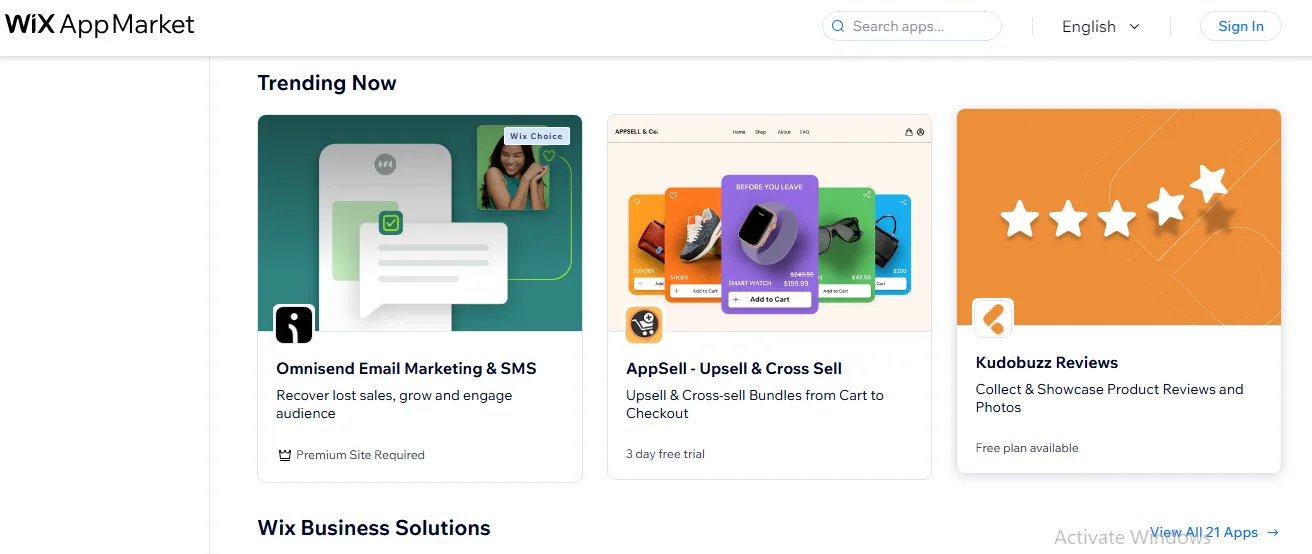
Wix currently offers 500+ apps, spanning six main categories such as Marketing, Sell Online, and Services & Events, each divided into smaller subcategories to refine your search. Aided by curated sections like “Featured Apps” and “Apps on Sale,” you will find it a breeze to discover apps that align well with both your budget and business needs.
Squarespace Apps & Integration
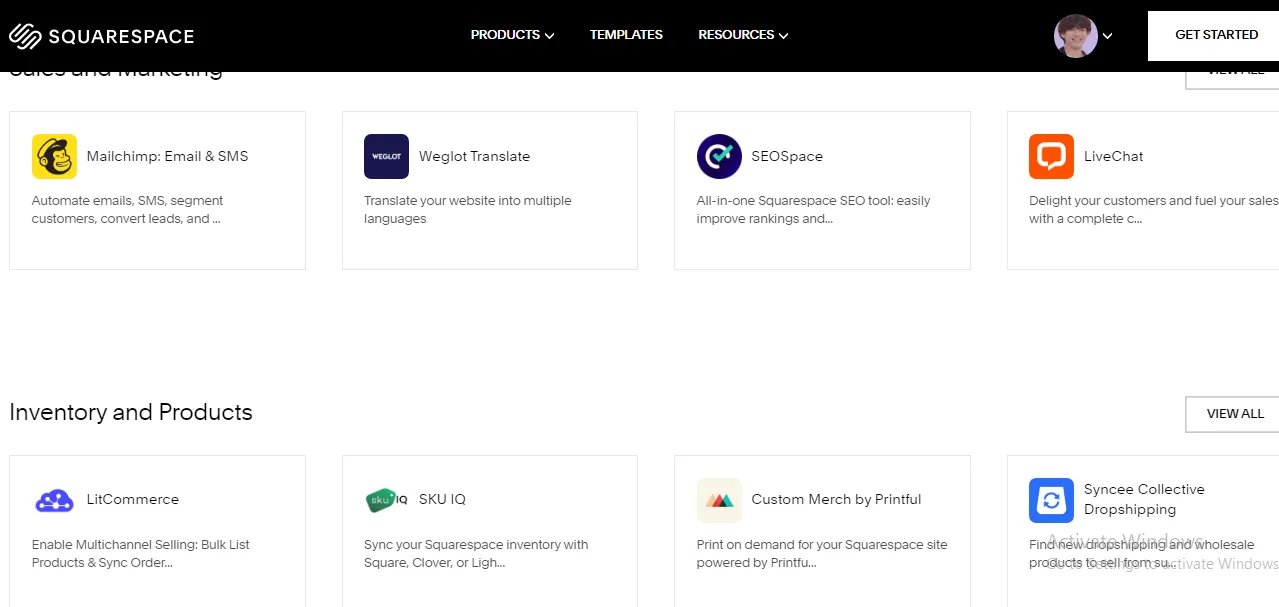
On the other hand, Squarespace falls rather short in terms of app variety. The platform offers only 55 official extensions across four main categories: Sales and Marketing, Inventory and Products, Shipping and Fulfillment, and Finance. Many come with a free plan or trial, but businesses must still venture to third-party sources or resort to custom coding to configure more advanced functionalities.
9. Customer support (Wix wins)
The Verdict
When it comes to Wix vs Squarespace customer support, although Squarespace offers solid email and live chat support, Wix leaves a stronger impression with its 24/7 callback support, wider language coverage, and diverse support channels. Hence, our team declares Wix the winner in this final comparison.
Though exploring these user-friendly platforms (and their aforementioned features) isn’t particularly challenging, it would still be best to have immediate support available. With this in mind, we have decided to look closer into the customer support experience offered by Wix vs Squarespace.
Wix customer support
Currently, Wix offers both callback (phone) support and live chat in 10 languages, plus email support in Russian and Korean. English speakers can request a callback 24/7, while live chat runs from Monday to Friday. Best of all, Wix doesn’t charge anything for chat, phone, or email support.
How about other channels besides direct support? Fortunately, Wix also offers a holistic Help Center packed with comprehensive tutorials and detailed guides. For Wix Studio subscribers, the platform goes even one step further with its Wix Studio Academy, which provides courses, video tutorials, webinars, and certifications to help users maximize available features.

Squarespace customer support
Squarespace takes a different approach: there’s no phone support at all. Instead, you can reach its team via email 24/7 or via live chat from Monday to Friday (4 AM to 8 PM ET, in five languages). There’s also an AI Support Assistant that answers common questions and can hand you over to a human agent when needed, plus support via X and Facebook Messenger.

For hands-on help with design or development, Squarespace also lets you hire an expert through Squarespace Marketplace (powered by 99designs by Vista), though pricing varies by project and can be quite costly. Otherwise, the community forum, Help Center guides, and webinars are great free resources.
Ready to Switch from Squarespace to Wix?
With the All-in-One Migration Service, our team handles your entire Squarespace to Wix migration, from data transfer to final checks, so you can focus on growing your new site.
Wix vs Squarespace – Which Should You Choose?
In the end, though both Wix vs Squarespace are beginner-friendly, they cater to slightly different types of users.
Wix is best suited for users who prioritize flexibility and feature variety over design constraints. Plus, its ecosystem allows you to build almost any type of website with minimal technical barriers. So, choose Wix if you:
- Want full creative control with a true drag-and-drop editor
- Need a wide range of templates and design flexibility
- Plan to extend functionality with apps and integrations
- Run or plan to scale an eCommerce store with diverse payment options
- Prefer strong, accessible customer support channels
On the other hand, Squarespace is ideal for users who value design consistency and a more streamlined, all-in-one experience. Instead of offering too many options, it focuses on delivering polished results with fewer decisions required. You should consider Squarespace if you:
- Care about sleek, professional design out of the box
- Prefer built-in features over relying on third-party apps
- Focus on content-driven websites like blogs, portfolios, or personal brands
- Need built-in blogging and monetization tools
Wix vs Squarespace: FAQs
Is Wix better than Squarespace?
Yes, in the Wix vs Squarespace debate, Wix is the better choice if you’re looking for highly customizable templates, robust eCommerce features, and a wide range of third-party apps to integrate into your website.
What is the downside of Wix?
Its cheapest plan can’t accept online payments, and some advanced features, such as automated tax calculation, are limited to higher-tier plans. And while the eCommerce features work decently, they are still quite basic compared to those offered by dedicated eCommerce platforms.
Should I switch from Wix to Squarespace?
Yes, switching to Squarespace is a good idea if you value polished design templates and built-in tools over a large app ecosystem, or want a cheaper plan to start selling online. For the best migration experience, consider using LitExtension, the #1 eCommerce Migration Tool, to transfer your data automatically and accurately.
Do professionals use Squarespace?
Yes, Squarespace’s polished and clean design templates are highly popular among professionals across various industries, including eCommerce, photography, art, IT, and more.
Our Testing Methodology
To ensure an objective and fair Wix vs Squarespace comparison, we first selected nine key areas (as discussed above) for evaluation, weighted as follows based on their significance in website-building and eCommerce platforms:
- Customization options (25%)
- Ease of use (20%)
- eCommerce features (15%)
- Templates (15%)
- Pricing (10%)
- SEO & Marketing (5%)
- Apps & Integration (5%)
- Blogging (3%)
- Customer Support (2%)
Once done, our members conducted advanced tests for each criterion through hands-on testing and a thorough review of their documentation and resources. Each criterion was scored out of 10, and weighted percentages were applied to derive the final scores. We also validated our findings with existing user testimonials to eliminate all potential biases.
Final Words
We hope our insightful article has highlighted all the key differences between Wix vs Squarespace. Though the comparison was quite close (with both platforms tying in several key categories), Wix still emerges as the ultimate winner.
So, if you’re ready to migrate to Wix and take advantage of its powerful features, there’s no better time to start! Try LitExtension’s Wix Migration Tool today, the #1 eCommerce Migration Tool trusted by more than 200,000 businesses, and move your store data to Wix quickly and accurately.
For even more information and guidance, check out our Wix guides and join our Facebook Community.