
Umbraco vs Drupal are two of the most capable open-source CMS platforms on the market, but built for very different teams, budgets, and growth stages. The choice between them isn’t just a technical one. It’s a business decision.
In this guide, we cover:
- What sets Umbraco vs Drupal apart at their core
- A head-to-head comparison on ease of use, eCommerce, performance, security, SEO, and cost
- Which platform fits your business best
- What a migration between the two actually looks like
Let’s get in.
Umbraco vs Drupal at a Glance
Here’s a quick breakdown before we get into the details.
Umbraco | Drupal | |
Best for | Small to mid-sized businesses, marketing-led teams | Large enterprises, complex content architecture |
.NET / C# that fits Microsoft environments | PHP / Symfony - platform-agnostic | |
Clean backoffice, built for non-technical teams | Powerful but steep learning curve | |
Code-first, clean architecture, smaller package library | Extensive module ecosystem, more complex dependencies | |
Umbraco Commerce (paid third-party add-on) | Drupal Commerce (native, free) | |
Strong for most business use cases | Edges ahead at very high traffic volumes | |
Solid, benefits from .NET infrastructure | Enterprise-grade, dedicated security team | |
Capable - depends on configuration | Capable - depends on configuration | |
Free to self-host / Umbraco Cloud from €45/mo | Free to self-host / Acquia, Pantheon from ~$500/mo | |
Smaller, highly responsive and beginner-friendly | Large and global, mostly developer-focused |
If you want the short version: Umbraco is easier to live with day-to-day, especially if your team manages content without a dedicated developer. Drupal is the stronger choice when you need deep customization, enterprise security, or a complex content architecture and you have the technical resources to match.
Relevant reading: Drupal Reviews: Pricing, Features, Pros & Cons
Umbraco vs Drupal: Head-to-Head Comparison
Feature lists only tell part of the story. Here’s what the differences between Umbraco vs Drupal actually mean for your team, your budget, and your day-to-day operations.
1. Tech stack & ecosystem
Verdict: Depends on your existing tech environment as .NET shop goes Umbraco, PHP shop goes Drupal.
The biggest under-the-hood difference between Drupal vs Umbraco is the technology they’re built on and it has real implications for your business beyond just code.
Umbraco runs on Microsoft’s .NET framework, written in C#. That means it fits naturally into organizations already using Microsoft tools like Azure hosting, SQL Server, Active Directory, Microsoft 365. If your IT environment is already Microsoft-heavy, Umbraco slots in with less friction. It also runs on Linux, so it’s not locked to Windows infrastructure.
Drupal is built on PHP and the Symfony framework, and runs on the LAMP stack (Linux, Apache, MySQL, PHP). It’s platform-agnostic and widely supported across virtually every hosting environment. The PHP ecosystem is massive, which means more developers available for hire globally and more third-party tools that already speak Drupal’s language.
For a store owner, here’s what this actually means: if you’re already working with a .NET development agency or have Microsoft infrastructure in place, Umbraco will cost less to build and maintain. If your team or agency works primarily in PHP, Drupal is the more natural fit. Neither stack is objectively better the right answer depends on who’s building and maintaining your site.
2. Ease of use & content management
Verdict: Umbraco wins for non-technical teams. Drupal requires more technical involvement to manage day-to-day.
This is where the two platforms diverge most visibly, and for a store owner or digital manager, it is probably the most important comparison on this list.
Umbraco is built for people who are not developers. Getting started takes just a few steps: create your account, set your database, and you are in. No complex server configuration, no command line.
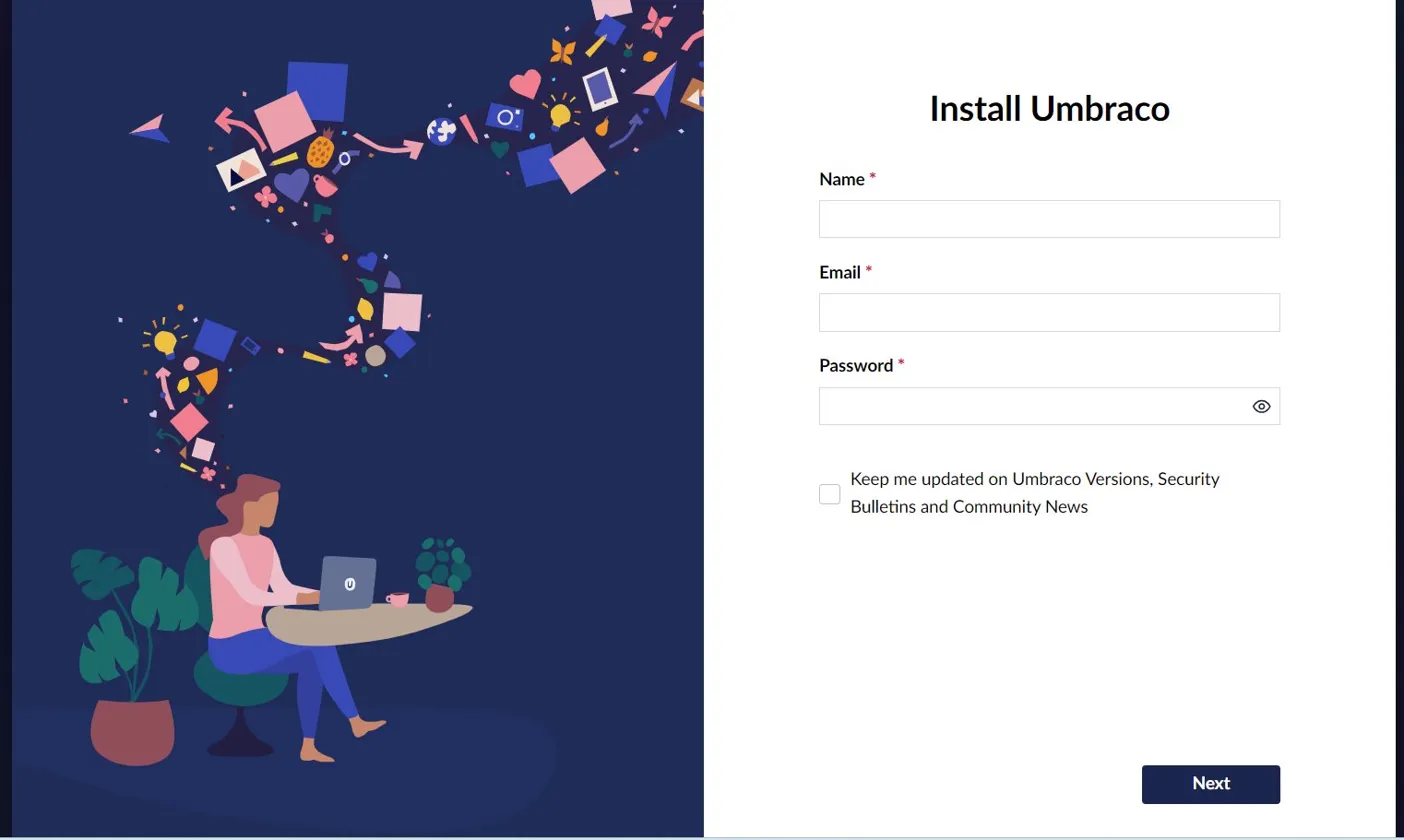
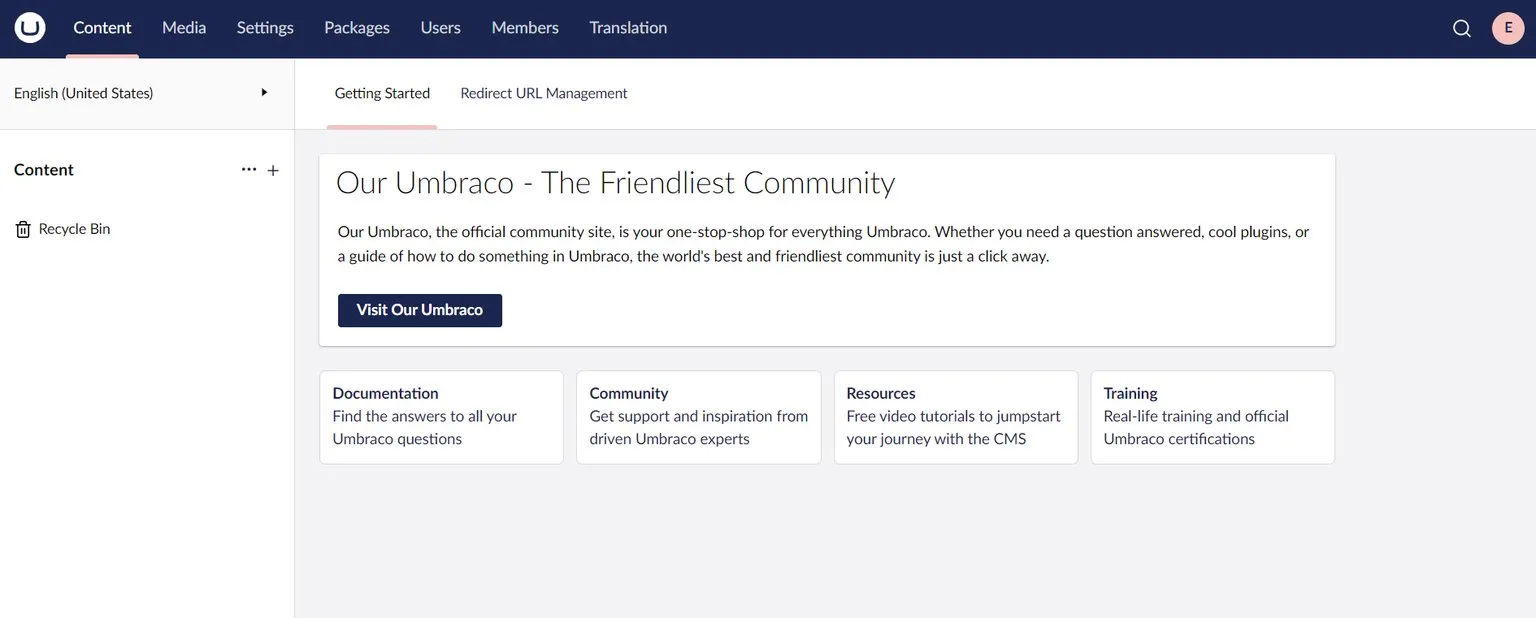
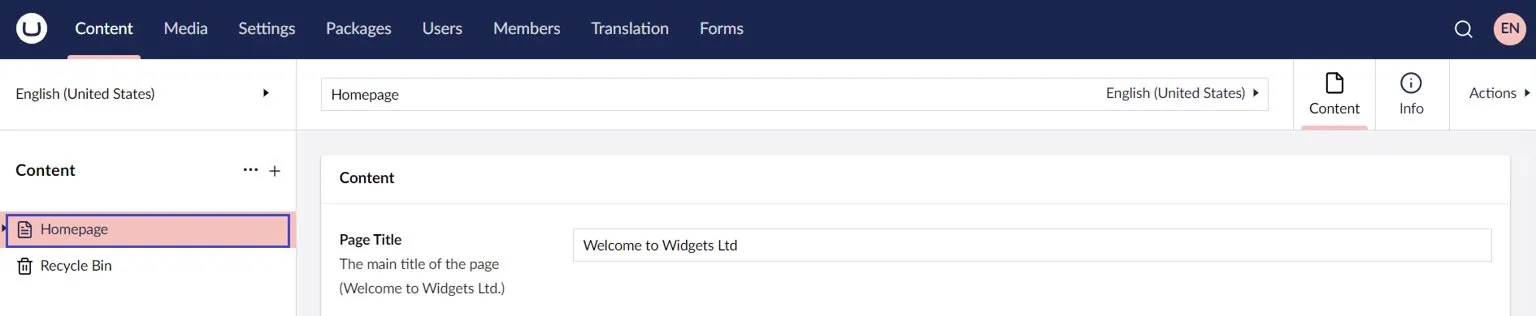
Once inside, the backoffice is clean and structured. Content editors can create pages, update copy, manage media, and handle workflows without touching code. Custom content types can be set up by a developer once, then handed off to a non-technical team to manage indefinitely.
Drupal’s admin interface is powerful, but that power comes with complexity. Setting up content types, managing user roles, and configuring basic workflows often requires developer involvement. The learning curve is steeper, particularly for teams without a technical background.
For day-to-day content operations, Umbraco is simply easier to live with. If your team publishes content regularly and you do not want to be dependent on a developer for routine updates, that is a meaningful advantage.
3. Customization & flexibility
Verdict: Drupal offers more out-of-the-box modules; Umbraco gives developers cleaner, more maintainable architecture.
Both platforms are highly customizable, but they take different approaches.
Drupal’s strength is its module ecosystem. Thousands of contributed modules cover most use cases: advanced permissions, complex content relationships, multilingual support, and custom workflows, without writing everything from scratch. The architecture itself is layered like data, modules, blocks and menus, user permissions, and templates all stack on top of each other, giving developers extraordinary control over every aspect of the site.
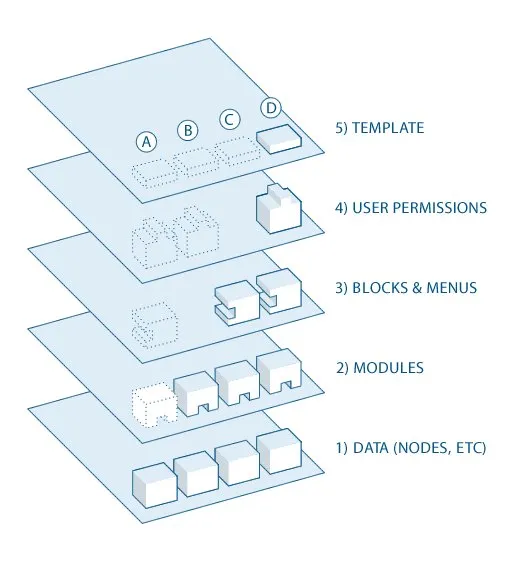
The tradeoff is that module dependencies get messy over time, compatibility issues arise between versions, and resolving conflicts requires solid developer expertise.
Umbraco takes a code-first approach. Developers have full control over markup, content models, and architecture from the ground up. No forced themes, no bloated plugins, no hidden dependencies. The result is a cleaner, more maintainable codebase with lower long-term maintenance costs and fewer surprises at upgrade time.
The tradeoff is a smaller package ecosystem, so more custom functionality needs to be built rather than installed.
The practical question is this: do you need to move fast using existing modules, or are you thinking about the next three to five years of maintenance? Drupal wins on speed of initial build. Umbraco wins on long-term manageability.
4. Ecommerce capabilities
Verdict: Drupal has a stronger native eCommerce foundation; Umbraco relies on third-party solutions that have matured significantly in recent years.
If you’re running an online store, this section deserves extra attention. The two platforms take fundamentally different approaches to eCommerce and that gap has real consequences depending on the size and complexity of your store.
Drupal has Drupal Commerce built natively into the platform. It handles product catalogs, pricing, checkout, tax, shipping, and order management without external plugins. It’s enterprise-grade and trusted by large retailers and B2B businesses that need complex pricing rules, multi-store setups, or custom workflows. The tradeoff: significant developer involvement to set up and maintain.
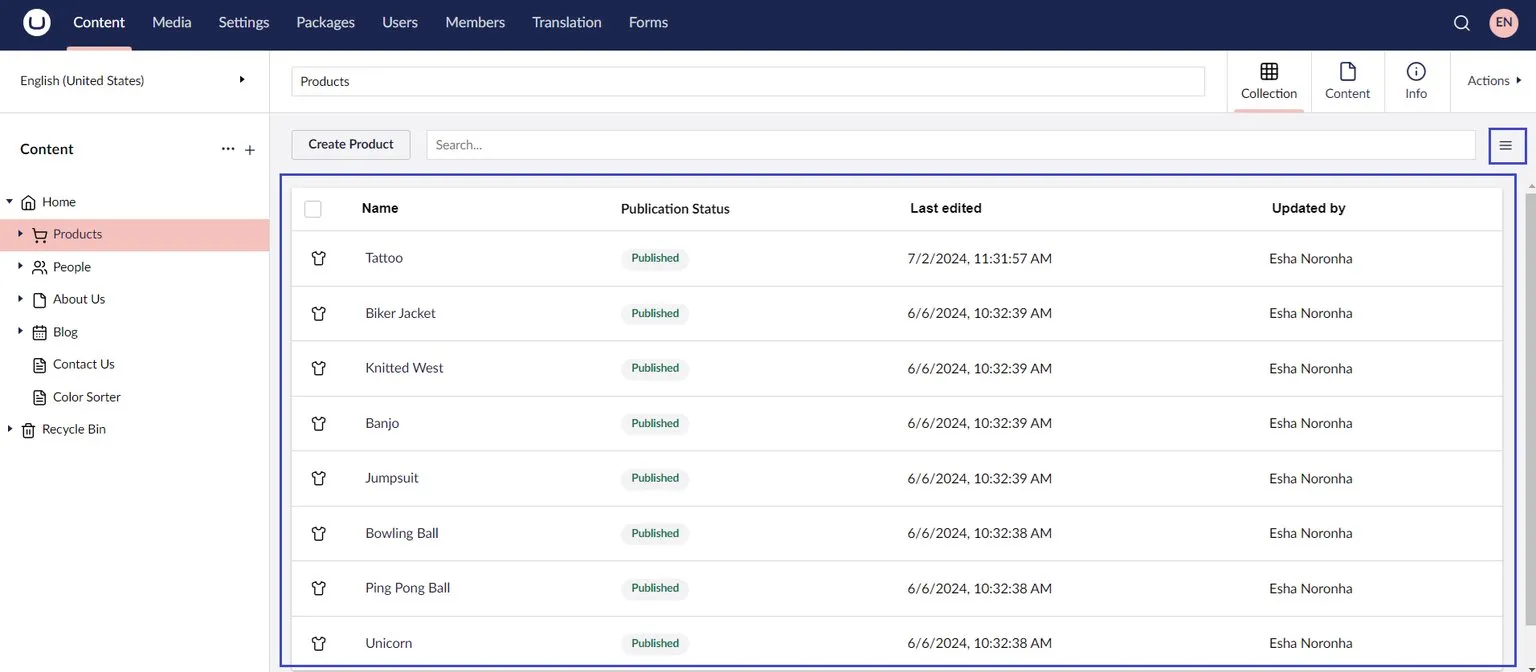
Umbraco relies on third-party solutions, primarily Umbraco Commerce (formerly Vendr, now part of Umbraco’s official paid suite) and integrations with tools like Shopify or Klarna. Umbraco Commerce covers the essentials well for small to mid-sized stores, and managing your product catalog day-to-day is straightforward from inside the backoffice.
For complex requirements like advanced inventory management, multi-currency, or B2B pricing tiers, additional development work or third-party integrations will be needed.
Drupal Commerce | Umbraco Commerce | |
Type | Native, built-in | Third-party (official paid add-on) |
Setup complexity | High, developer-heavy | Moderate |
Multi-currency | Yes | Yes, with configuration |
B2B pricing | Yes, advanced | Limited out of the box |
Headless commerce | Yes | Yes, via integrations |
For a store owner: if eCommerce is your primary use case and you need deep native functionality, Drupal Commerce has a stronger foundation. If your store is small to mid-sized and you want a more manageable CMS day-to-day, Umbraco paired with Umbraco Commerce is a credible option.
5. Performance & scalability
Verdict: Both platforms perform well – Drupal has a slight edge at very high traffic volumes, but Umbraco is no slouch for most business use cases.
For most businesses, performance will not be the deciding factor between these two platforms. Both Umbraco vs Drupal can handle high traffic, large content libraries, and complex page structures when properly configured and hosted.
Umbraco’s .NET foundation gives it strong out-of-the-box performance. Pages load fast, the back office is responsive, and the platform handles traffic spikes well on standard cloud hosting. For small to mid-sized businesses, even those with busy eCommerce stores, Umbraco’s performance is more than adequate.
Drupal edges ahead at the enterprise end of the scale. Its built-in caching systems, load-balancing capabilities, and modular architecture are battle-tested on some of the world’s highest-traffic websites, government portals, major media publishers, and large university systems. If you’re expecting millions of monthly visitors or managing thousands of content nodes simultaneously, Drupal’s architecture handles that ceiling more gracefully.
That said, performance at scale is rarely a platform problem alone. Hosting quality, caching configuration, image optimization, and front-end build decisions all matter as much as the CMS itself. A well-configured Umbraco site will outperform a poorly configured Drupal site every time.
For most store owners reading this, Umbraco’s performance is sufficient. Drupal’s edge only becomes meaningful at traffic volumes that most businesses won’t reach for years, if ever.
6. Security
Verdict: Both platforms take security seriously. Drupal has a more formalized process; Umbraco is a solid, reliable choice for most businesses.
Both Umbraco vs Drupal have strong security track records. The difference is in how they manage and communicate it.
Drupal has a dedicated security team that actively monitors vulnerabilities, issues advisories, and releases patches on a structured schedule. This formalized process is why governments, banks, and large enterprises trust Drupal with sensitive data. Updates are well-documented, clearly communicated, and consistently maintained across versions.
Umbraco takes security seriously too, with regular updates and a responsible disclosure process. Built on .NET, it also benefits from Microsoft’s mature security infrastructure. The community is smaller, though, which means vulnerabilities may take longer to surface and patch compared to Drupal’s more structured process.
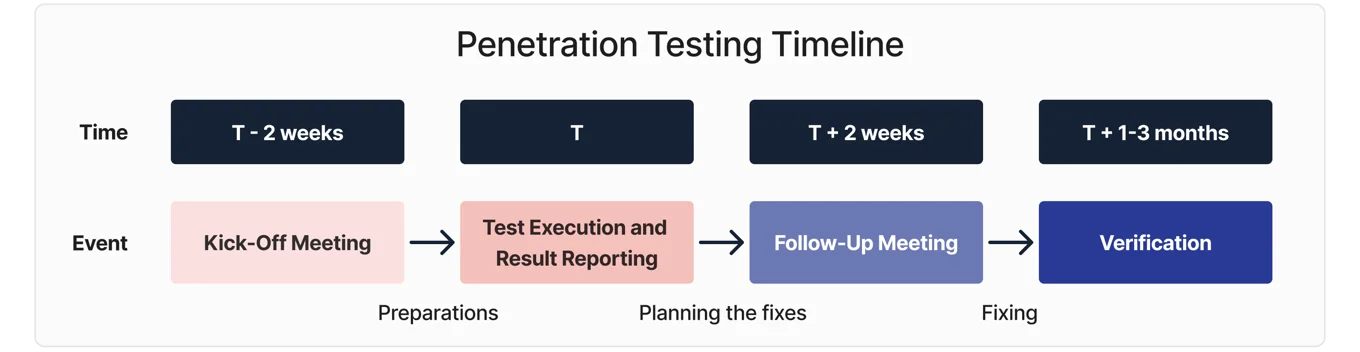
For most store owners handling customer data and payment information, both platforms are trustworthy when kept up to date. If you operate in a heavily regulated industry like healthcare, finance, or government, Drupal’s formalized security process gives it a clear edge.
7. SEO capabilities
Verdict: Both platforms are SEO-capable, neither has a significant edge out of the box. What matters more is how your site is built and configured.
A common question when evaluating any CMS is how well it supports SEO. For Drupal and Umbraco, the honest answer is that neither platform will make or break your search rankings on its own. Both give developers the tools they need to build an SEO-friendly site. The difference is in how much comes ready to use versus how much needs to be configured.
Umbraco gives developers full control over URL structures, metadata, page titles, canonical tags, and structured data. There are no forced conventions or bloated markup getting in the way. For SEO-specific functionality, XML sitemaps, robots.txt management, redirect handling, most Umbraco sites rely on packages like SEO Checker or uSkinned, which integrate cleanly and cover the essentials well.
Drupal has a strong SEO module ecosystem. The Pathauto module handles clean URL generation automatically, Metatag manages metadata across content types, and the Redirect module keeps your link equity intact when URLs change. These modules are mature, widely used, and well-maintained.
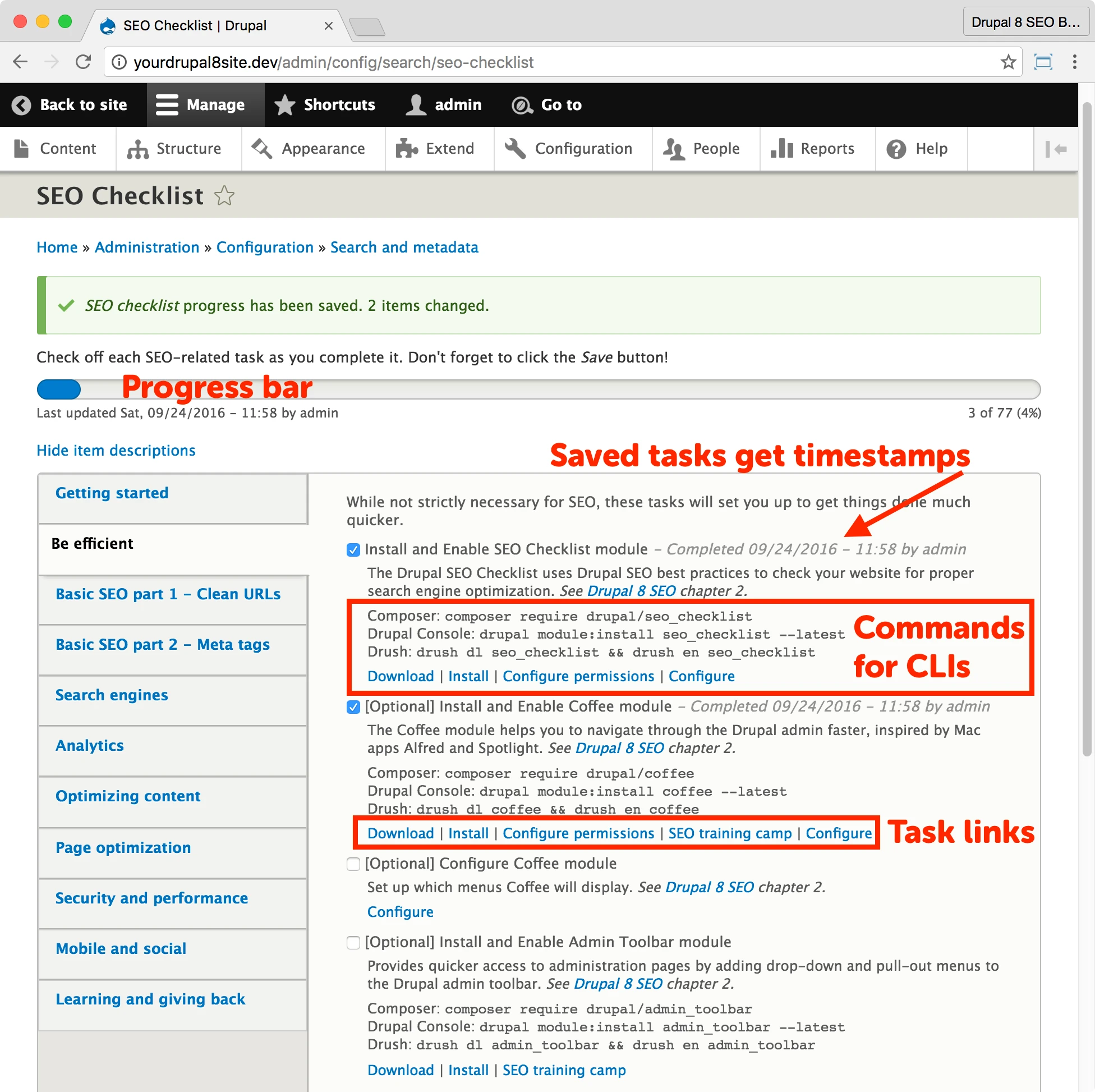
The tradeoff is that setting them up correctly still requires developer knowledge, misconfigured SEO modules can do more harm than good.
For a store owner, the takeaway is this: SEO success on either platform depends almost entirely on how well your site is built, not which CMS powers it. A developer who knows your platform and understands technical SEO will get you further than any CMS feature comparison.
8. Pricing & total cost of ownership
Verdict: Both platforms are free and open source, the real costs are hosting, development time, and ongoing maintenance.
Both Umbraco and Drupal are free to download and self-host. No license fee, no platform cost. What you actually pay for is everything around the CMS.
Development is the biggest line item. Drupal’s complexity means more developer hours to build and maintain. Umbraco’s cleaner architecture and friendlier back office typically means less time spent on both, savings that compound if your team can handle content updates without developer involvement.
Hosting is where the two diverge. Both can be self-hosted for free on your own infrastructure. If you want a managed option, Umbraco Cloud starts at €45/month (Starter), €280/month (Standard), €730/month (Professional), and custom for Enterprise.
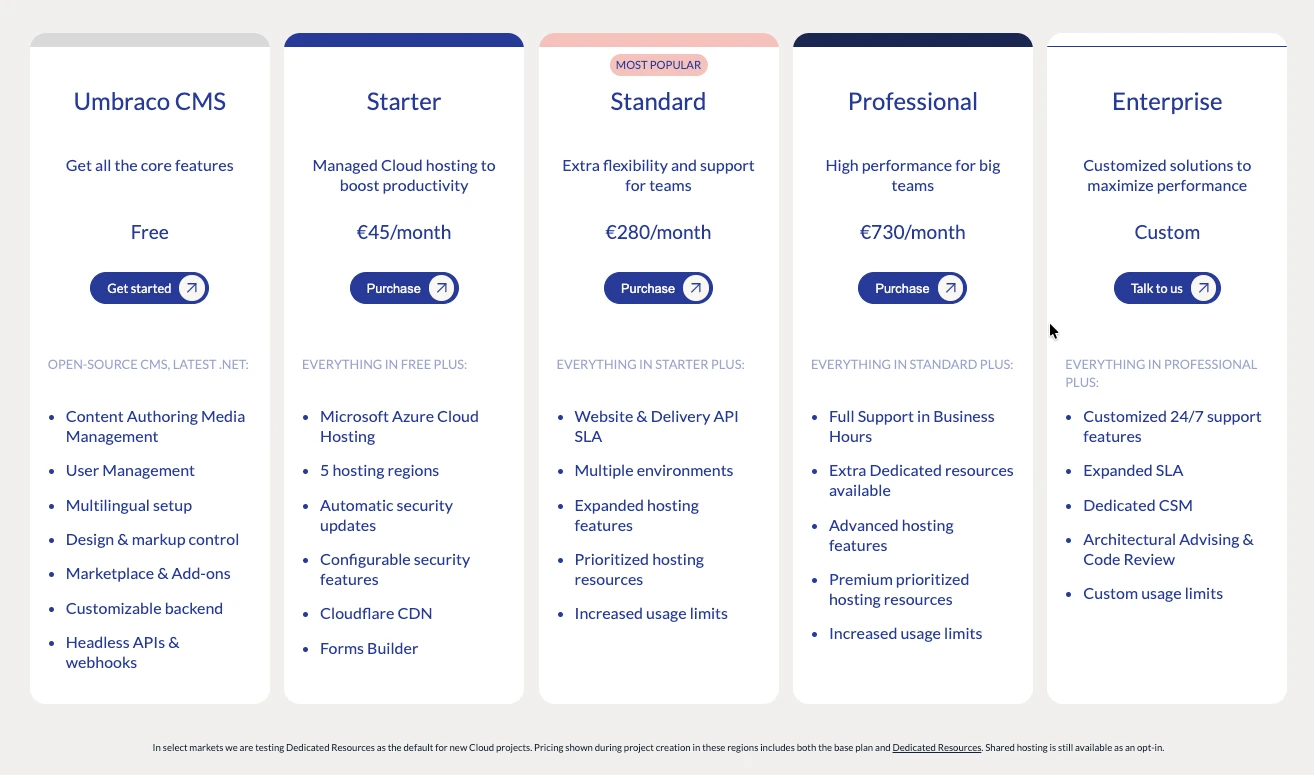
Drupal has no official managed hosting Acquia and Pantheon start around $500/month, firmly at the enterprise end.
Ecommerce licensing matters for store owners: Umbraco Commerce requires a separate paid license. Drupal Commerce is free, though implementation costs are significant.
Umbraco | Drupal | |
Core platform | Free, open source | Free, open source |
Self-hosting | Free | Free |
Managed hosting | Umbraco Cloud from €45/mo | Acquia, Pantheon from ~$500/mo |
Ecommerce license | Paid (Umbraco Commerce) | Free (Drupal Commerce) |
Dev costs | Lower for smaller builds | Higher for complex sites |
Maintenance burden | Lower | Higher |
For most small to mid-sized store owners, Umbraco’s total cost of ownership will be lower especially when you factor in the time your team saves managing content without developer support. Drupal’s costs are justified at enterprise scale, where its depth and flexibility offset the investment.
9. Community & Support
Verdict: Drupal has the larger global community; Umbraco has the friendlier, more accessible one.
Drupal’s community is one of the largest in the open source world. Forums, documentation, Slack channels, Stack Overflow threads, and events like DrupalCon mean most problems have already been solved somewhere. The caveat: most resources are written by developers, for developers. For a non-technical store owner, navigating it alone can feel overwhelming.
Umbraco’s community is smaller but consistently praised for being approachable and responsive. Documentation is well-maintained, forums are active, and non-technical users are genuinely welcomed. Umbraco also offers official paid support plans with guaranteed response times, something Drupal’s open source model does not provide directly.
For a store owner without a dedicated developer, the support you can actually access matters more than community size. On that measure, Umbraco wins.
How Do Umbraco and Drupal Compare to WordPress?
If you’re evaluating Umbraco vs Drupal, WordPress has probably crossed your mind too. It’s the world’s most widely used CMS, powering over 40% of all websites, so it’s worth a quick comparison before you commit.
Umbraco | Drupal | WordPress | |
Best for | Mid-market, marketing-led teams | Large enterprises, complex builds | Blogs, small to mid-sized businesses |
Ease of use | Beginner-friendly | Steep learning curve | Easiest of the three |
Ecommerce | Umbraco Commerce (paid add-on) | Drupal Commerce (native, free) | WooCommerce (free plugin) |
Customization | Clean, code-first architecture | Extensive module ecosystem | Massive plugin library quality varies |
Security | Solid | Enterprise-grade | Most targeted CMS by hackers requires active maintenance |
Community | Smaller, responsive | Large, developer-focused | Largest of the three by far |
Hosting costs | Umbraco Cloud from €45/mo | From ~$500/mo (managed enterprise) | From ~$10/mo (widely available) |
WordPress is the easiest entry point and the cheapest to get started with but it comes with tradeoffs. Its plugin ecosystem is massive but inconsistent in quality, and it’s by far the most targeted CMS by hackers, which means security requires more active attention. For a simple store or content site, WordPress is a legitimate choice. For anything that requires more control, stability, or enterprise-grade capabilities, Umbraco and Drupal are the more serious options.
Read more: Drupal vs WordPress: Which CMS is Better for You?
The short version: WordPress is where most businesses start. Umbraco and Drupal are where businesses go when WordPress no longer meets their needs.
Umbraco vs Drupal: Which One Is Right for You?
No CMS is universally better. The right choice depends on your team, your store’s complexity, and how you plan to grow. Here are three scenarios to help you decide.
Choose Umbraco if:
- Your team manages content daily without a dedicated developer
- You’re running a small to mid-sized online store that doesn’t need complex B2B pricing or multi-store architecture
- You’re already working within a Microsoft/.NET environment
- You want a platform your marketing team can actually own without constant developer dependency
- Long-term maintainability and a clean codebase matter more than a large module library
Choose Drupal if:
- You’re building a large, complex site with advanced content architecture, multilingual support, or intricate user workflows
- Ecommerce is your primary use case, and you need a native, enterprise-grade commerce engine
- Your industry requires strict security compliance, like healthcare, finance, and government
- You have a dedicated development team or agency with Drupal experience
- You’re operating at a scale where traffic, content volume, and infrastructure complexity justify the investment
Consider migrating if:
- You’re on Umbraco, and your store has outgrown its eCommerce capabilities or you need deeper customization than the platform allows
- You’re on Drupal, and your team is spending too much time on developer-dependent tasks that should be simple content updates
- Your current CMS is approaching end-of-life or becoming increasingly expensive to maintain
If you’re still unsure, the most honest question to ask is: Who will use this platform every day? Let’s build around your team’s real capabilities, not the platform’s theoretical ceiling.
What Does Migrating Between Umbraco and Drupal Actually Look Like?
Switching between Umbraco and Drupal is not a simple content export and import. The two platforms have different content architectures, templating systems, and data structures so a migration requires planning, not just execution.
In general, the process covers four stages: a content audit and mapping, data extraction and transformation, a platform rebuild, and URL redirects to protect your SEO. Timeline depends on site size and complexity, a straightforward site can move in six to ten weeks, a large eCommerce build will take longer.
The technical execution is rarely the hardest part. The bigger decisions are made before migration starts: what content to keep, how to restructure it, and what you need the new platform to do differently. Get those right, and the rest follows.
If you’re considering a move between Umbraco and Drupal, talk to our team at LitExtension, and we’ll help you map out what the process looks like for your site before you commit to anything.
Umbraco vs Drupal: FAQs
Is Umbraco easier than Drupal?
Yes, in most practical scenarios. Umbraco's backoffice is built with non-technical users in mind content editors and marketing teams can manage day-to-day updates without developer involvement. Drupal is more powerful but requires significantly more technical knowledge to operate and maintain.
Can I migrate from Drupal to Umbraco without losing content?
Yes, but it requires proper planning. Content, media, and URLs can all be migrated the key is thorough mapping before the migration starts and a solid redirect strategy to protect your SEO. Working with an experienced migration team significantly reduces the risk of data loss or ranking drops.
Which is better for SEO, Umbraco or Drupal?
Neither platform has a meaningful SEO advantage over the other out of the box. Both support clean URLs, metadata management, sitemaps, and structured data. SEO performance comes down to how well your site is built and configured not which CMS powers it.
Is Drupal harder to maintain than Umbraco?
Generally, yes. Drupal's module ecosystem and configuration complexity mean that updates, security patches, and version upgrades require more developer involvement. Umbraco's maintenance burden is lower, particularly for teams without dedicated technical resources.
How much does it cost to migrate from Umbraco to Drupal or vice versa?
It depends on your site's size and complexity. A straightforward content site migration can be relatively affordable. A large eCommerce build with complex content relationships, custom integrations, and significant front-end work will cost considerably more. The best starting point is a proper site audit to scope the work before committing to a budget.
Conclusion
Umbraco and Drupal are both serious, capable platforms but they’re built for different teams and different situations.
Umbraco is the stronger choice if your priority is a CMS your team can actually manage day-to-day without heavy developer dependency. It’s cleaner, more intuitive, and lower maintenance which is a good fit for small to mid-sized businesses that want enterprise capability without enterprise complexity.
Drupal is the stronger choice if you need deep customization, native eCommerce, enterprise-grade security, or a platform built to handle very large, complex content operations. The tradeoff is cost, complexity, and ongoing developer involvement.
If you’re already on one platform and considering a switch, the decision comes down to one question: is your current CMS working for your team, or is your team working around your CMS? If it’s the latter, it’s worth exploring a migration. If you’re weighing a move between Umbraco and Drupal, get in touch, we’ll give you an honest assessment of what it involves before you commit to anything.
For more content like this, be sure to visit the LitExtension blog and join our eCommerce community to gain further insights and connect with fellow business owners.

