Retail business involves selling products or services directly to customers, through physical stores, online channels, or both. As the retail environment becomes more complex, a common question becomes how to grow your retail business without losing control, margins, or customer trust.
In this article, we’ll walk you through proven retail business strategies to support retail growth at different stages:
- Improve customer experience and loyalty;
- Expand sales channel without losing;
- Strengthen operations & inventory control;
- Acquire customers through smarter marketing;
- Use data, technology & automation.
Keep reading to learn more!
Method 1: Improve Customer Experience & Loyalty
When we talk with retailers about how to grow your retail business, the conversation often comes back to the customer experience. Many growth challenges don’t come from a lack of demand, but from small frictions that make buying less convenient or less memorable than it should be. Improving experience and loyalty is often one of the most effective places to start.
1. Simplify the shopping experience
One of the most common issues is that the buying process feels more complicated than retailers realize. Customers may hesitate because products are hard to find, information is unclear, or checkout takes longer than expected.
A helpful way to address this is by stepping into the customer’s shoes and walking through the entire journey yourself. Paying attention to where questions come up or where the process slows down usually reveals clear opportunities to remove friction. As the experience becomes simpler, customers feel more comfortable buying and are more likely to leave with a positive impression.
If you’d like to go deeper, we’ve shared more actionable tips in our guide on how to improve customer experience, which breaks this process down in more detail.
2. Personalize customer interactions
Generic interactions weaken customer connection and reduce relevance. Without personalization, customers are more likely to switch to competitors.
A good example of personalization done well can be seen at Saks Global. In 2025, the retailer rolled out an AI-driven personalization approach on Saks.com, tailoring product recommendations and on-site content based on each shopper’s browsing and purchase behavior. This helped make the shopping experience feel more relevant and resulted in stronger engagement and conversion.
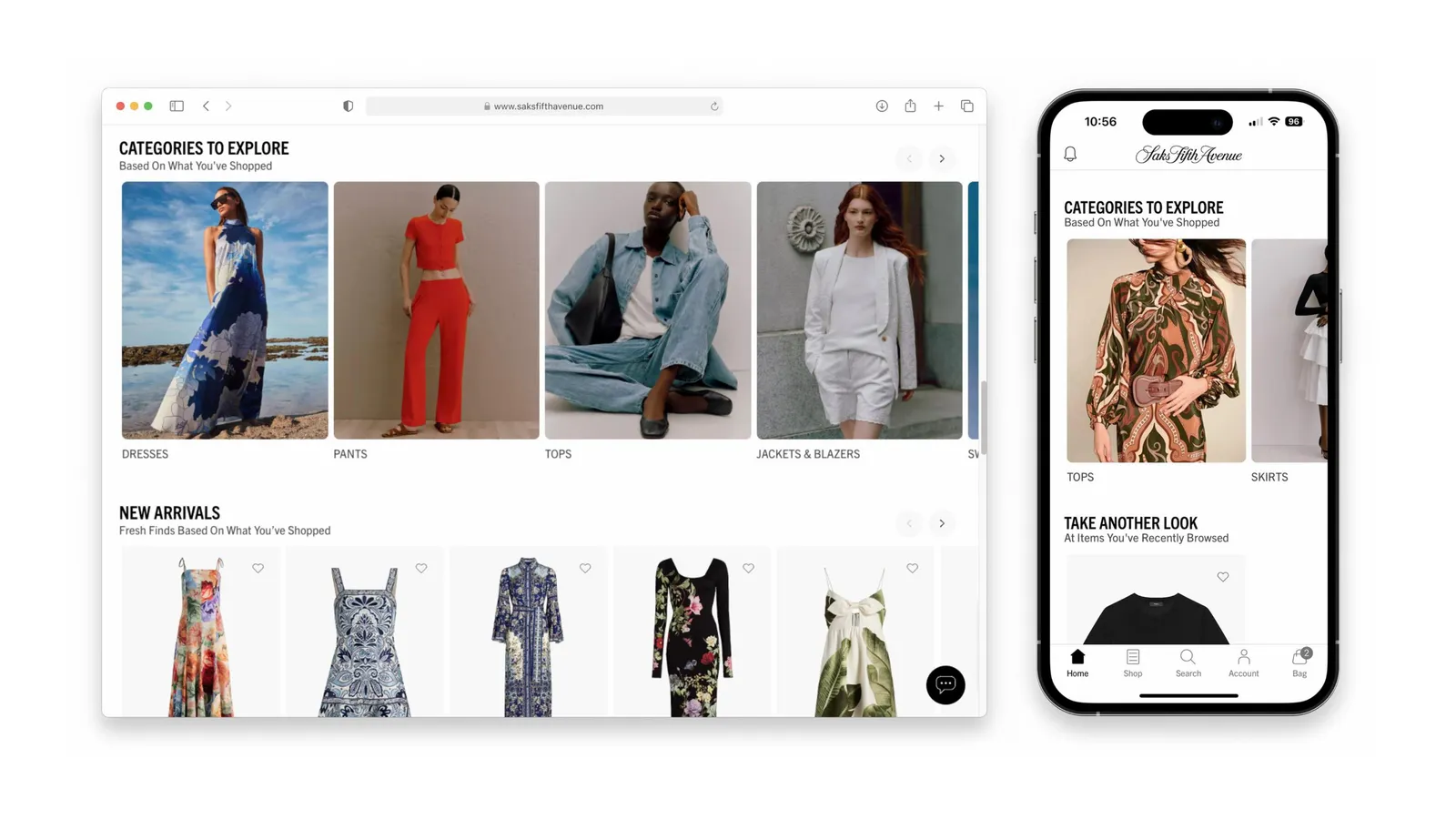
For many retailers, personalization does not need to start at this level. Using simple insights such as past purchases or preferred categories, can already make interactions feel more thoughtful. Over time, this relevance helps build trust and encourages customers to stay engaged with the brand.
3. Drive repeat visits
Many retailers focus heavily on attracting new customers, while repeat visits receive less attention. This often leads to uneven sales and constant pressure to drive new traffic, even though returning customers are usually easier to convert. For businesses thinking about how to increase sales, improving repeat visits is often one of the most effective starting points.
A more sustainable approach starts with understanding why customers visited the first time. From there, simple follow-up communication, consistent service, and loyalty initiatives can reinforce the same value.
4. Add value-added services
In crowded markets, products alone are often no longer enough to stand out. With similar items widely available, buying decisions tend to revolve around price and convenience, which puts pressure on both margins and differentiation.
From what we’ve seen, services can help shift this dynamic. Repairs, customization, consultations, or small in-store events extend the relationship beyond a single purchase. When these services closely reflect what customers already value, engagement deepens, and the brand becomes harder to replace.
Improve customer experience & loyalty: Key takeaways
- Simplify the shopping experience: Reduce friction so customers can browse, decide, and check out more easily.
- Personalize customer interactions: Use customer data to deliver more relevant messages and recommendations.
- Drive repeat visits: Encourage loyalty through consistent service and meaningful follow-up.
- Add value-added services: Differentiate with services that deepen engagement beyond the product.
Method 2: Expand Sales Channel Without Losing Focus
Expanding sales channels is a natural step as a retail business grows. New channels can increase reach and revenue, but they also introduce operational and experience-related complexity. The strategies below focus on expanding in a way that supports growth while keeping the business focused and manageable.
5. Sell on customer-preferred channels
One issue we often see is that retailers choose new sales channels based on what looks popular in the market, rather than how their own customers actually shop. This usually leads to weak performance and added complexity, because the channel does not fit real buying habits.
A more practical approach is to start with existing customer behavior. Looking at where current sales already come from, how customers discover the brand, and which channels drive the most engagement often provides clear signals. Customer conversations, post-purchase feedback, and even simple questions at checkout can reveal whether shoppers prefer buying in-store, online, through marketplaces, or via social platforms.
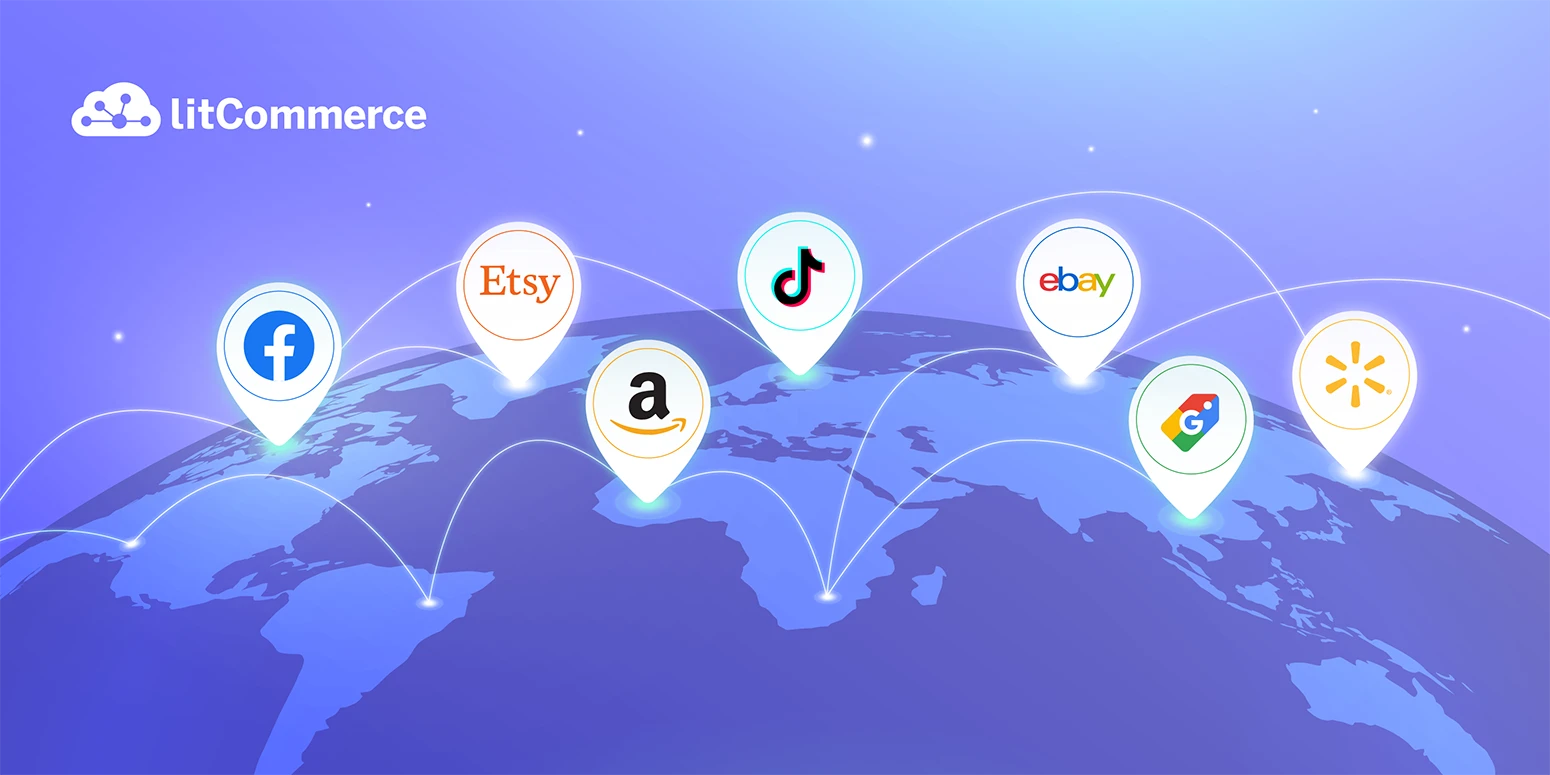
Once these patterns are clear, multichannel selling becomes more focused and manageable. Tools like LitCommerce help retailers connect and manage multiple sales channels from one place, making it easier to sell on customer-preferred platforms without fragmenting operations.
This kind of clarity is especially important when thinking about how to grow your retail business without adding unnecessary overhead.
6. Connect online and offline sales
For many retailers, online and offline sales grow in parallel rather than as one system. Different pricing rules, promotions, or inventory visibility across channels can create confusion and make the brand feel inconsistent over time.
Connecting these channels starts with aligning the basics, such as pricing, promotions, and inventory visibility. Tools like POS systems synced with eCommerce platforms, centralized inventory management, and CRM or loyalty systems help keep product, stock, and customer data consistent across touchpoints.
7. Expand locations strategically
When you start thinking about expanding into new locations, the decision should be driven by clear signals rather than ambition alone. Demand from a specific area, repeat purchases from nearby customers, and strong performance in existing stores often indicate where expansion makes sense. Looking at these signals first helps you choose locations more strategically and reduces the risk that comes with long-term commitments.
Once you decide to expand, setting up the right systems becomes critical. Centralized product and pricing management, location-level inventory tracking, and store performance reporting help keep operations consistent across locations.
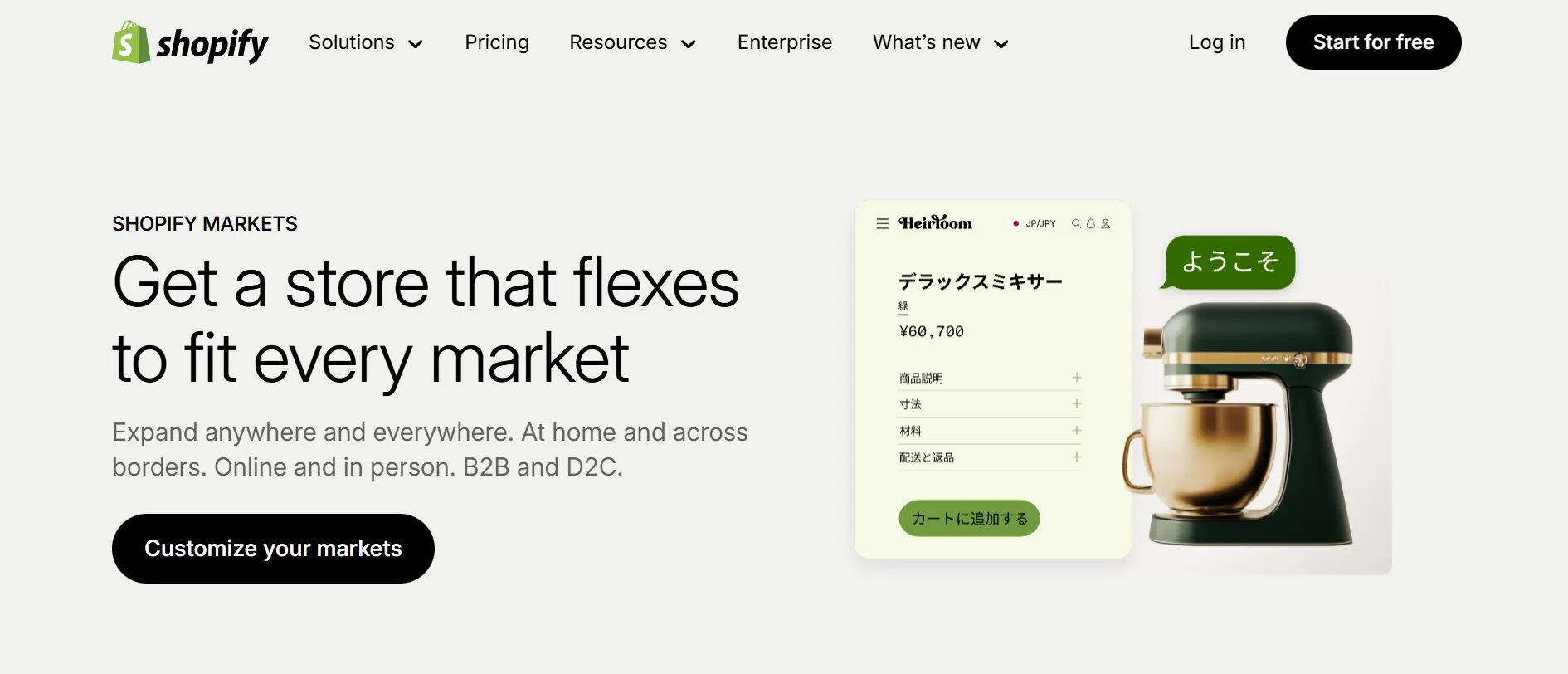
A good example is Passenger, a UK-based outdoor apparel brand on Shopify. By using Shopify Markets and multi-currency payments, Passenger grew international sales from under 1% to 40% within two years, showing how a strong operational foundation can support expansion at scale.
8. Test markets before scaling
Even with a well-chosen expansion plan, uncertainty still remains when entering a new market. Signals from existing performance can point you in the right direction, but local demand, customer behavior, and foot traffic often differ more than expected. Moving too quickly into long-term commitments can turn those unknowns into costly mistakes.
This is where testing becomes especially valuable. Short-term formats such as pop-up stores, temporary locations, or limited regional launches allow you to validate demand before scaling further. These tests help you assess product fit, pricing sensitivity, and location potential in real conditions.
9. Focus on niche segments
Growth often slows when you try to appeal to too many audiences at once. In crowded markets, broad positioning makes it harder for customers to understand what your brand truly stands for.
Clarity usually comes from narrowing your focus. By looking at which customer groups buy most often, which products drive repeat demand, and which needs customers consistently come to you for, you can identify segments worth prioritizing. When you serve these niches more intentionally, your messaging becomes clearer, and your retail growth strategies become easier to sustain.
Expand sales channel without losing focus: Key takeaways
- Sell on customer-preferred channels: Expand based on where your customers already shop, not what looks popular.
- Connect online and offline sales: Align pricing, inventory, and customer data across channels.
- Expand locations strategically: Use demand signals and the right systems to support multi-location growth.
- Test markets before scaling: Validate demand through pop-ups or limited launches before committing.
- Focus on niche segments: Prioritize customer segments that drive repeat demand and long-term value.
Method 3: Strengthen Operations & Inventory Control
As your retail business continues to grow across channels, locations, and customer segments, pressure naturally starts to shift toward operations and inventory. What may have worked earlier can become harder to manage once volume increases and complexity builds up. Strengthening this layer of the business helps ensure that growth remains sustainable, rather than creating friction behind the scenes.
The strategies below focus on improving how your operations and inventory support the growth you’ve already built, so the business can scale with more control and confidence.
10. Align inventory with demand
Nothing exposes operational gaps faster than inventory. You may notice popular items selling out too quickly, while other products sit untouched and tie up cash. Over time, this imbalance affects both revenue and cash flow.
Inventory planning works best when it follows demand, not assumptions. Looking at sell-through rates, seasonal patterns, and performance by channel or location gives you clearer signals on what to restock and what to slow down.
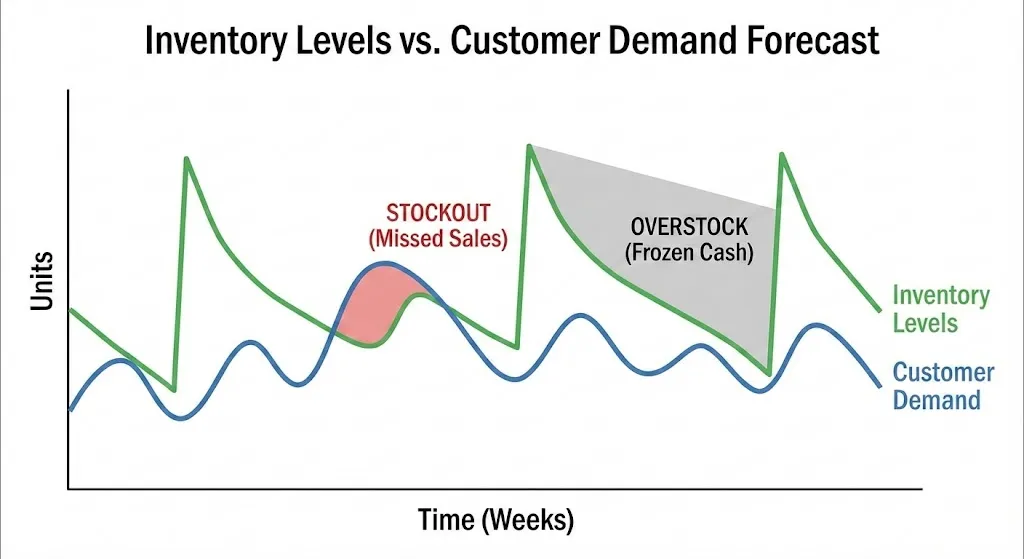
If inventory control is an area you’re actively working on, we’ve shared more detailed guidance covering how different eCommerce platforms handle stock planning and demand alignment. You can explore platform-specific tips here:
- Wix Inventory Management 101: Everything You Need to Know
- BigCommerce Inventory Management – The Ultimate Guide
- Magento Inventory Management: Complete Guide to Managing Stock in Magento 2
- Shopify Inventory Management: A-to-Z Tutorial
- How to Use Woocommerce Inventory Management Right?
11. Strengthen operational foundations
At a certain point, growth stops being limited by demand and starts being limited by process. Tasks take longer, errors happen more often, and teams spend too much time fixing avoidable issues.
You can start identifying where work breaks down most frequently. This could be order fulfillment, stock updates, reporting, or internal coordination. By simplifying workflows and centralizing key information, you reduce friction and give your business a structure that can handle higher volume without added stress.
A recent example comes from Old Navy, which in 2025 rolled out an AI-powered inventory tracking system across more than 1,000 stores. By using RFID, AI, and real-time shelf visibility, the brand helped store teams locate products faster and reduce stockouts, improving both in-store execution and fulfillment efficiency.

12. Develop high-impact store teams
Systems matter, but stores ultimately run on people. Even strong processes fall short when teams lack clarity, training, or confidence in their roles.
According to the UKG Retail Workforce Report 2025, frontline employee retention in retail sits at only 46%–60%, and nearly 20% of store managers cite disengagement as a key reason for leaving. This shows that team capability and engagement are not just HR issues, but operational risks.
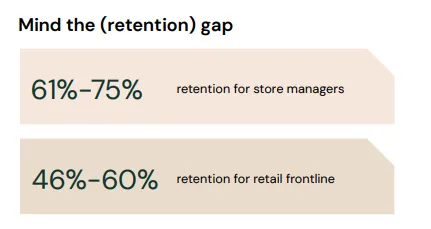
When you invest in clear expectations, ongoing training, and simple decision frameworks, your teams are better equipped to execute consistently, which leads to more reliable service across locations.
13. Prioritize profit over revenue
Revenue growth often looks like progress, but it doesn’t always tell the full story. Discounts, promotions, or high-volume sales can increase top-line numbers while quietly reducing margins.
Shifting the focus to profit brings better clarity. Understanding which products, channels, or locations actually contribute to profitability helps you make smarter decisions around pricing, promotions, and inventory.
Strengthen operations & inventory control: Key takeaways
- Align inventory with demand: Use sell-through and demand patterns to reduce stockouts and overstock.
- Strengthen operational foundations: Build clear processes and systems that support daily execution.
- Develop high-impact store teams: Equip teams with training, clarity, and decision support to perform consistently.
- Prioritize profit over revenue: Focus on margins and cash flow, not just top-line growth.
Method 4: Acquire Customers Through Smarter Marketing
Customer acquisition becomes harder as marketing channels grow more competitive. Simply increasing spend no longer guarantees results. This section focuses on smarter ways to attract customers while keeping costs and effort under control.
14. Experiment with marketing tactics
Marketing performance rarely stays consistent over time. Channels that once delivered strong results can lose impact as competition increases and customer behavior evolves. Relying too heavily on a single tactic, whether paid ads or social media alone, often limits long-term growth.
A more sustainable approach is to treat marketing as continuous testing across channels, including email and SMS marketing. Trying different messages, offers, timing, and audience segments helps you understand what actually drives response.

Email marketing, in particular, offers a low-cost way to test ideas, re-engage past customers, and learn what resonates before scaling spend elsewhere. To make these tests more effective, it helps to have a clear framework for how to create successful email marketing campaigns.
15. Create an “Online-to-Offline” (O2O) halo effect
Many retailers make the mistake of treating their physical stores and digital channels as separate businesses. They budget for them separately and measure them separately. A more effective approach for growth is to treat them as a single ecosystem where one feeds the other.
To balance and integrate these reaches, focus on the O2O (Online-to-Offline) loop:
- Utilize Local SEO and Google Business Profile so that when locals search “shops near me,” you appear first. Run “geofenced” ads that only target people within a 5-mile radius of your store.
- Your physical counter is the best place to capture data. Encourage customers to sign up for email or SMS marketing at the Point of Sale (POS) in exchange for a digital receipt or loyalty points.
- Allow customers to “Check Stock in Store” via your website. This gives online browsers the confidence to make a physical trip, knowing the item will be there.
Starbucks is often cited as the gold standard for balancing digital and local engagement. Its mobile app allows customers to order ahead digitally, while the in-store café remains the core of the experience. This connection is reinforced through Starbucks Rewards, which drives over 60% of U.S. transactions, creating a self-sustaining loop where each physical purchase pulls customers back into the digital ecosystem.
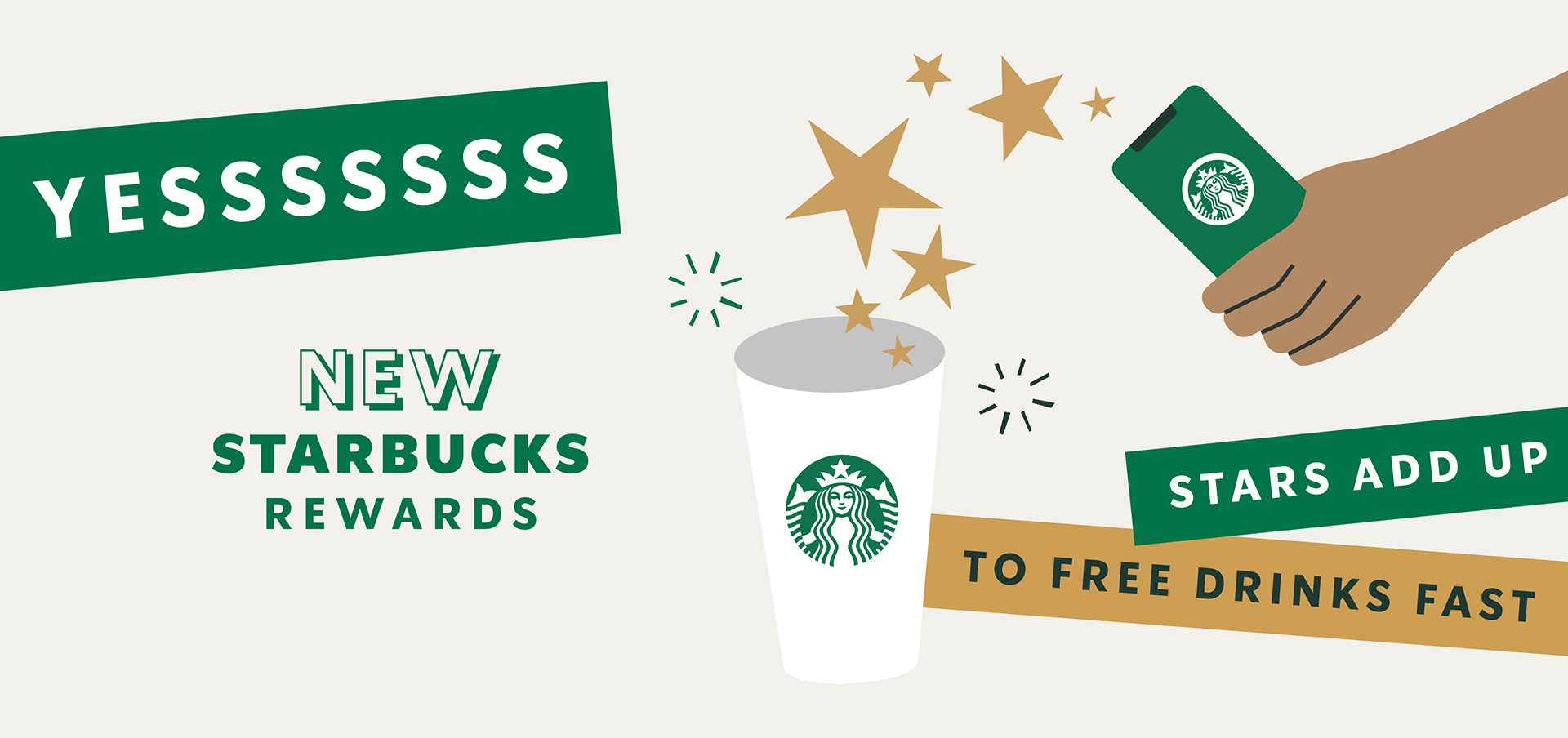
When discovery and engagement work together this way, marketing supports retail business growth without overlapping with your sales channel strategy.
16. Build strategic partnerships
Customer growth doesn’t have to come only from your own marketing channels. Partnerships with complementary brands allow you to reach new audiences that already share similar interests and values, making acquisition more efficient.
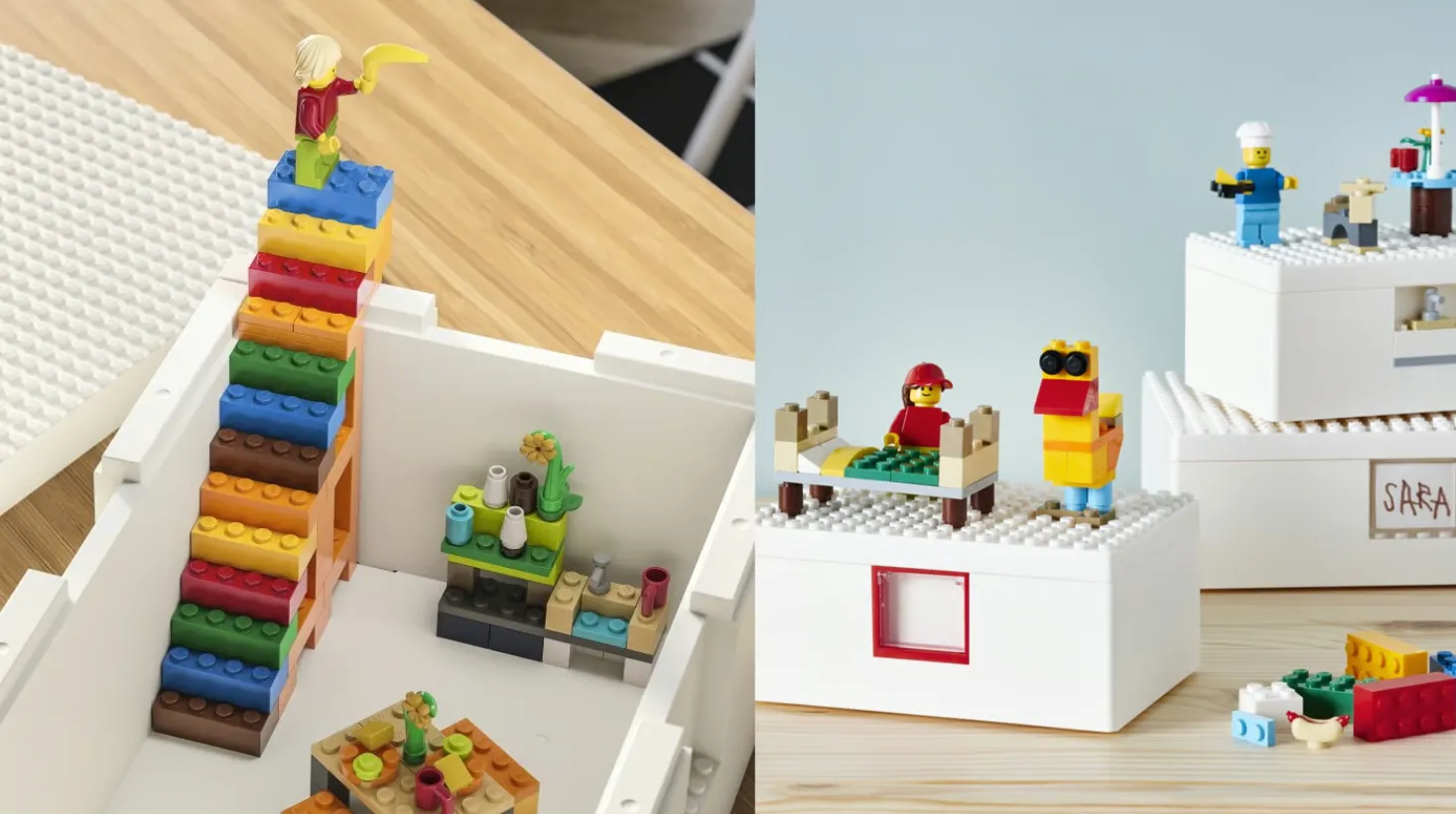
A good example is the collaboration between LEGO and IKEA with the BYGGLEK collection. Both brands targeted families and creative households, combining LEGO’s play-focused identity with IKEA’s everyday home context. The partnership felt natural, generated strong engagement, and introduced each brand to customers who were already aligned.
17. Grow local community presence
At this stage, marketing is no longer just about visibility. It’s also about creating a sense of belonging that keeps customers coming back. This often shows up in how your brand engages with the local community, such as through events, collaborations, or shared values. When customers feel connected beyond the transaction, loyalty grows, and word of mouth becomes more natural.
Acquire customers through smarter marketing: Key takeaways
- Experiment with marketing tactics: Test messages, offers, and formats to see what actually drives response.
- Balance digital and local reach: Use digital channels to amplify local presence and vice versa.
- Build strategic partnerships: Collaborate with complementary brands to extend reach and credibility.
- Grow local community presence: Create connection through events, collaborations, and shared values.
Method 5: Use Data, Technology & Automation to Scale
Beyond operations and marketing, many retailers reach a point where doing more manually no longer works. When thinking about how to grow your retail business, data, technology, and automation often become the tools that help you move forward without adding pressure to your team.
18. Use data to guide decisions
Retail decisions often feel urgent, which makes it tempting to rely on instinct. Over time, this can lead to missed trends, poor forecasts, or inconsistent results.
Using data gives you a clearer view of what is actually happening across sales, inventory, and customer behavior. Looking at patterns such as best-selling products, repeat purchases, and channel performance helps you make more confident decisions. When data becomes part of everyday planning, growth feels more intentional and less reactive.
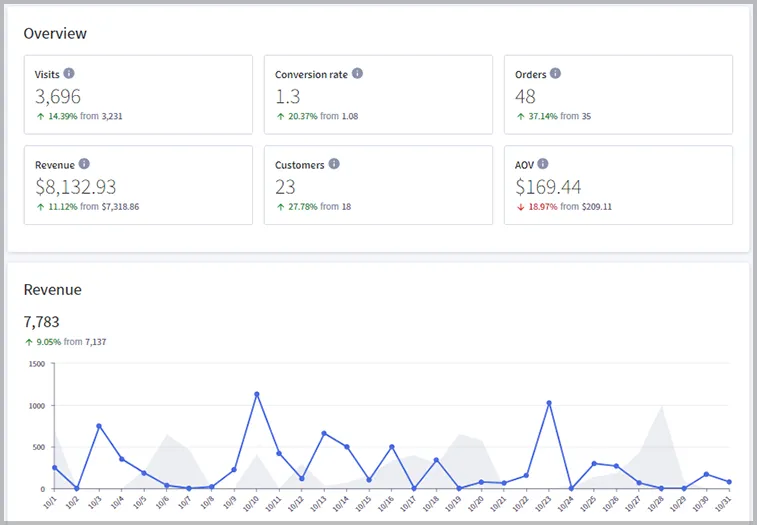
To support better decisions, we’ve outlined the key eCommerce metrics to track so you can focus on data that actually drives growth.
19. Automate repetitive processes
As operations scale, repetitive tasks can quickly become a drag on your team’s time and focus. Manual updates across inventory, pricing, orders, and promotions often create delays and increase the risk of errors. This is usually when automation becomes essential rather than optional.
Industry data shows that automation is becoming standard rather than optional for retailers. By the end of 2024, over 69% of global retail chains had integrated automation technologies such as smart POS systems, RFID tracking, and self-service tools into their operations.
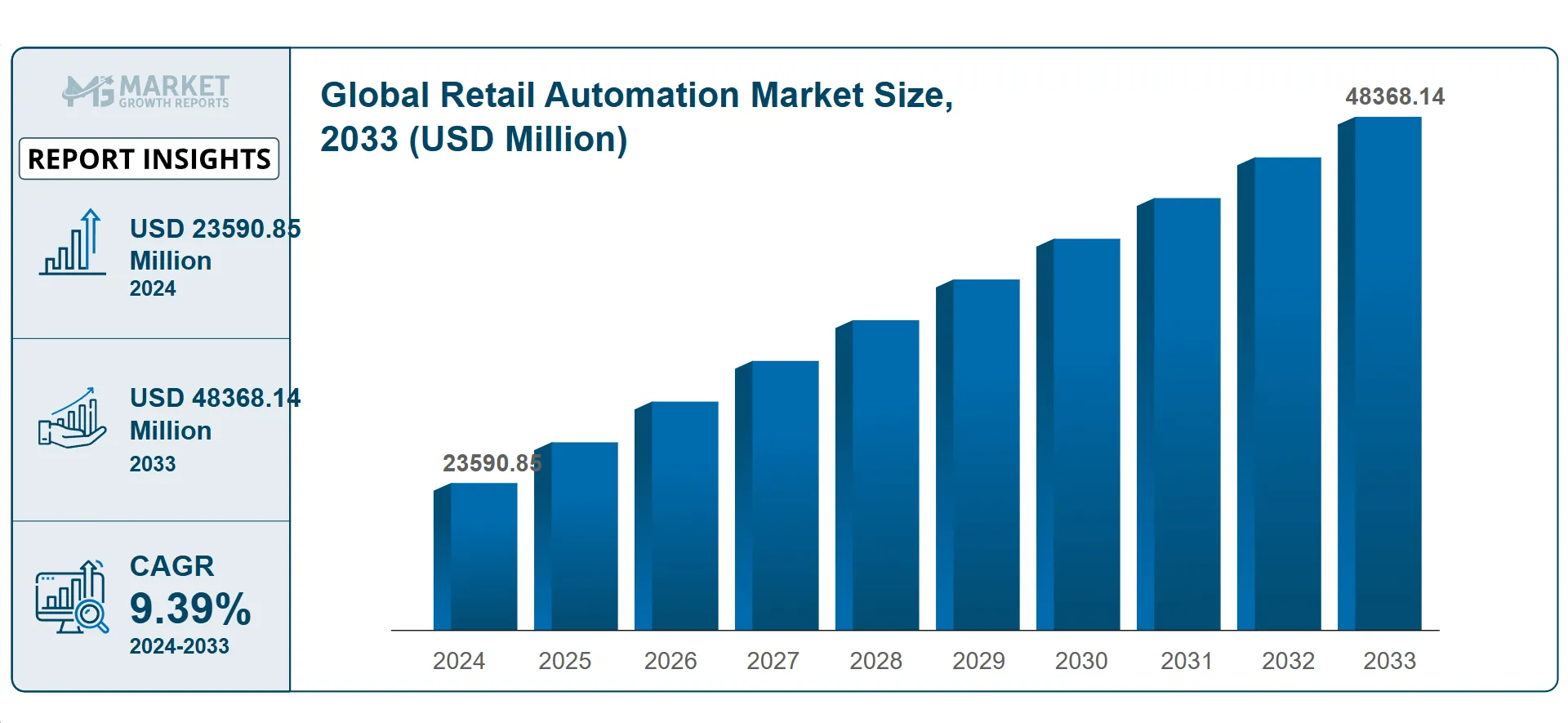
This adoption trend is also reflected in market growth. The global retail automation market continues to expand steadily, as more retailers invest in technologies that reduce manual work and improve operational efficiency at scale.
20. Apply AI to improve efficiency and insight
At a certain scale, how to grow your retail business becomes harder with dashboards and reports alone. There are simply too many signals coming from sales, inventory, and customer behavior to process manually in real time. This is where AI becomes useful – not to replace decision-making, but to surface insights faster and focus attention on what truly matters.
Many eCommerce platforms now build AI directly into their core features. For example, Shopify offers tools like Shopify Magic and Sidekick to help merchants generate content, analyze performance, and get quick answers from store data. Similarly, Adobe Commerce uses Adobe Sensei to power product recommendations, search relevance, and merchandising decisions.
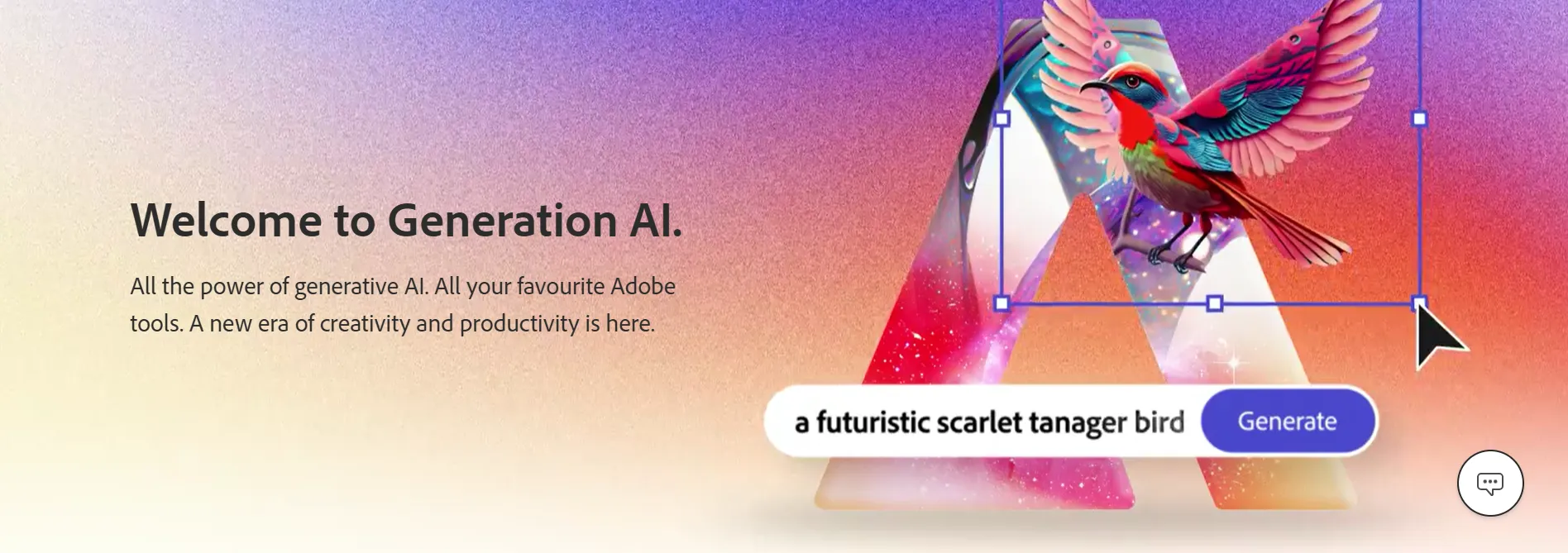
These examples show how AI can turn growing data volume into clearer insight, rather than additional complexity.
21. Enable scalable retail systems
Many retailers don’t struggle with growth itself, but with what happens after growth begins. Adding new channels, locations, or tools often leads to fragmented workflows and systems that no longer work well together. This is a common challenge for businesses figuring out how to scale a retail business without slowing everything down.
Scalable retail systems are designed to absorb change without breaking. This usually means reducing tool sprawl and ensuring core functions – inventory, orders, customer data, and reporting – stay connected and consistent.
Use data, technology & automation to scale: Key takeaways
- Use data to guide decisions: Base planning and priorities on real performance, not assumptions.
- Automate repetitive processes: Reduce manual work so teams can focus on higher-impact tasks.
- Apply AI to improve efficiency and insight: Use AI to surface patterns and support faster, better decisions.
- Enable scalable retail systems: Build connected systems that can support growth without constant fixes.
Common Mistakes that Slow Retail Business Growth
Retail businesses rarely stop growing because of one big mistake. More often, progress slows as everyday decisions and habits stop matching the stage the business is in. From our experience, the puzzle of how to grow your retail business is often unsolved not because of a lack of ideas, but because small issues quietly hold you back.
Here are the most common “growth leaks” to watch out for:
- Inventory issues tend to surface first
Running out of fast-moving products while slow sellers pile up ties up cash and creates missed sales. When stock planning is not guided by real demand, operations become harder to control as the business grows.
- Customer experience is often taken for granted
Service quality, store layout, and checkout flow may not get enough attention once daily operations take over. Over time, small points of friction add up and reduce repeat visits, even when products and pricing are competitive.
- Marketing efforts lose direction without a clear audience
Campaigns that try to appeal to everyone usually end up resonating with no one. Without clear targeting and messaging, marketing spend increases while results remain inconsistent.
- Decisions become reactive when data is ignored
Relying too much on intuition makes it difficult to spot trends, forecast demand, or plan expansion. This often leads to short-term fixes instead of structured progress.
- Manual processes start to slow everything down
Spreadsheets and disconnected tools may work early on, but they introduce errors and delays at scale. Teams spend more time fixing issues than improving performance.
- Key foundations are often underinvested
Holding back on technology, systems, or team development can feel safe in the short term. In reality, it limits efficiency and makes future growth more difficult and costly.
Recognizing these patterns early helps you remove friction before it becomes a long-term constraint. Avoiding these mistakes creates a much stronger foundation for scaling more effectively.
Why Retail Growth Is Harder Than It Looks Today?
Retail growth today is happening in a much tighter environment than before. According to eMarketer, global retail ecommerce sales reached around $6.4 trillion in 2024 and are projected to grow to about $6.9 trillion in 2025.
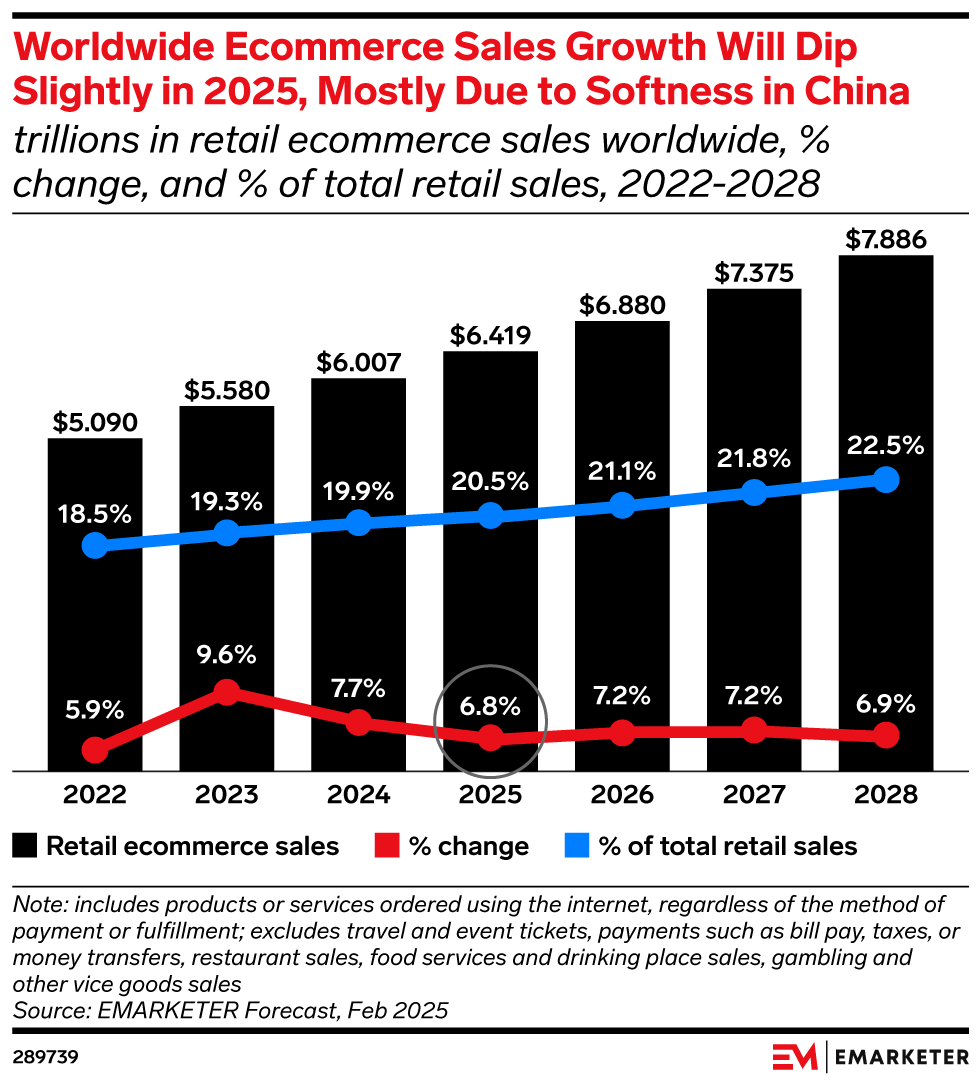
This slowdown explains why growth feels more difficult in practice. When overall market expansion becomes more limited, retailers can no longer rely on demand growth alone to drive results.
From what we’ve seen working with retail businesses across different stages and markets, this shift often exposes a set of recurring challenges that stand in the way of sustainable growth:
1. Intensified competition
Retailers are no longer competing only with nearby stores. They now face global eCommerce platforms, fast-moving direct-to-consumer brands, and highly focused niche players. With prices easy to compare and alternatives everywhere, brand loyalty is harder to earn and customer attention is more expensive than before.
2. Economic and cost pressures
Rising inflation has pushed up wages, logistics costs, and supplier prices. At the same time, customers have become more price-sensitive. This leaves retailers with little room to increase prices without affecting demand, while absorbing higher costs puts pressure on already thin margins.
3. Shifting customer expectations
Today’s shoppers expect experiences that are fast, seamless, and personalized. They move effortlessly between online and in-store channels and expect consistency across every touchpoint. Meeting these expectations often requires better coordination, stronger systems, and more disciplined operations.
4. Supply chain uncertainty
Geopolitical tensions, labor shortages, and climate-related disruptions have made supply chains less predictable. Retailers must constantly balance the risk of running out of stock with the cost of holding too much inventory, which ties up cash and increases operational strain.
5. Talent and staffing challenges
High turnover and labor shortages, especially in frontline roles, continue to affect service quality and day-to-day efficiency. Attracting and keeping skilled staff often means higher wages, better benefits, and clearer development paths – all of which add to operating costs.
These challenges explain why retail growth can no longer rely on a single tactic or short-term fix. In the following sections, we’ll walk through practical strategies on how to grow your retail business. We’ve grouped these strategies into clear categories to help you focus on what matters most.
How to Grow Your Retail Business: FAQs
What are the 7 P's of retail?
The 7 P’s of retail are Product, Price, Place, Promotion, People, Process, and Physical evidence. Together, they cover what you sell, how you price and promote it, where customers buy, how your team operates, and how the experience feels in-store and online. Retail growth usually requires improving several of these areas at the same time, not just one.
How do you expand your retail business?
Retail expansion works best when it follows demand, not assumptions. We recommend a step-by-step approach:
- Improve customer experience to maximize current retention.
- Expand sales channels based on where your customers are.
- Test new locations or markets with pop-ups before committing.
- Strengthen operations to handle the increased volume.
How long does retail growth usually take?
In most cases, noticeable progress takes 6 to 18 months, depending on the starting point, market conditions, and execution. Short-term wins can happen faster, but sustainable growth takes time to build systems, teams, and customer trust.
How do you grow a retail business while protecting profit margins?
Protecting margins starts with understanding profitability, not just revenue. This means tracking margins by product and channel, aligning inventory with demand, and avoiding growth driven purely by heavy discounting. Retailers that focus on efficiency, repeat customers, and pricing discipline tend to scale more profitably.
Is online selling necessary for growth?
Online selling is not mandatory, but it is increasingly helpful. Even for store-first retailers, online channels support discovery, convenience, and repeat engagement. Growth today often comes from connecting online and offline experiences, rather than choosing one over the other.
What should a retail business focus on first when growth starts to slow?
When growth slows, the first priority should be identifying friction. This often lies in inventory issues, customer experience gaps, unfocused marketing, or manual operations. Addressing these fundamentals usually unlocks momentum faster than adding new channels or locations.
This clarity is essential when thinking about how to grow your retail business more effectively.
Final Takeaway: A Realistic Roadmap to Grow Your Retail Business
Ultimately, learning how to grow your retail business isn’t about doing everything at once. It’s about making deliberate choices, building stronger foundations over time, and scaling in a way that keeps your business healthy, adaptable, and ready for what comes next.
If you need more tips, we still have more growth blog posts for you to explore and community group for merchants to exchange ideas. Check them out now!