Over the past few years, the rules of eCommerce competition have shifted dramatically. It’s easier than ever to open an online store, yet noticeably harder to make one profitable. That's why finding the best eCommerce niches is very critical!
A well-chosen niche shapes everything that follows, from marketing efficiency and pricing power to inventory decisions. Get it wrong, and even strong execution feels like swimming upstream. Get it right, and growth becomes far more achievable.
All that sounds overwhelming, but no worries; we are here to help you. This article will explore 15 top selling eCommerce niches, including:
- Pet food, toys, and accessories
- Home office equipment and workspace essentials
- Nutrition, supplements, and wellness products
- Eco-friendly and sustainable products
- Personalized and custom-made items
- Health, self-care, and mental wellness products
- Baby, maternity, and newborn essentials
- Beauty, skincare, and cosmetics
- Men’s grooming and personal care products
- Smart home devices and automation products
- Gaming accessories and performance gear
- Outdoor, travel, and adventure equipment
- DIY, crafting, and hobby supplies
- Digital education tools and learning products
- Affordable luxury and premium everyday items
Let's begin!
Why Your Store Needs A Niche?
Before going further, you need to answer a more fundamental question: why should your store focus on a niche at all? The reason is simple:
- A niche reduces competitive pressure and narrows who you truly compete against.
- A niche clarifies who your ideal customers are and makes them easier to reach and convert.
- A niche limits operational complexity, especially inventory and storage costs, at early and growth stages.
Each of these reasons has direct consequences for profitability and long-term survival.
A niche reduces competitive pressure
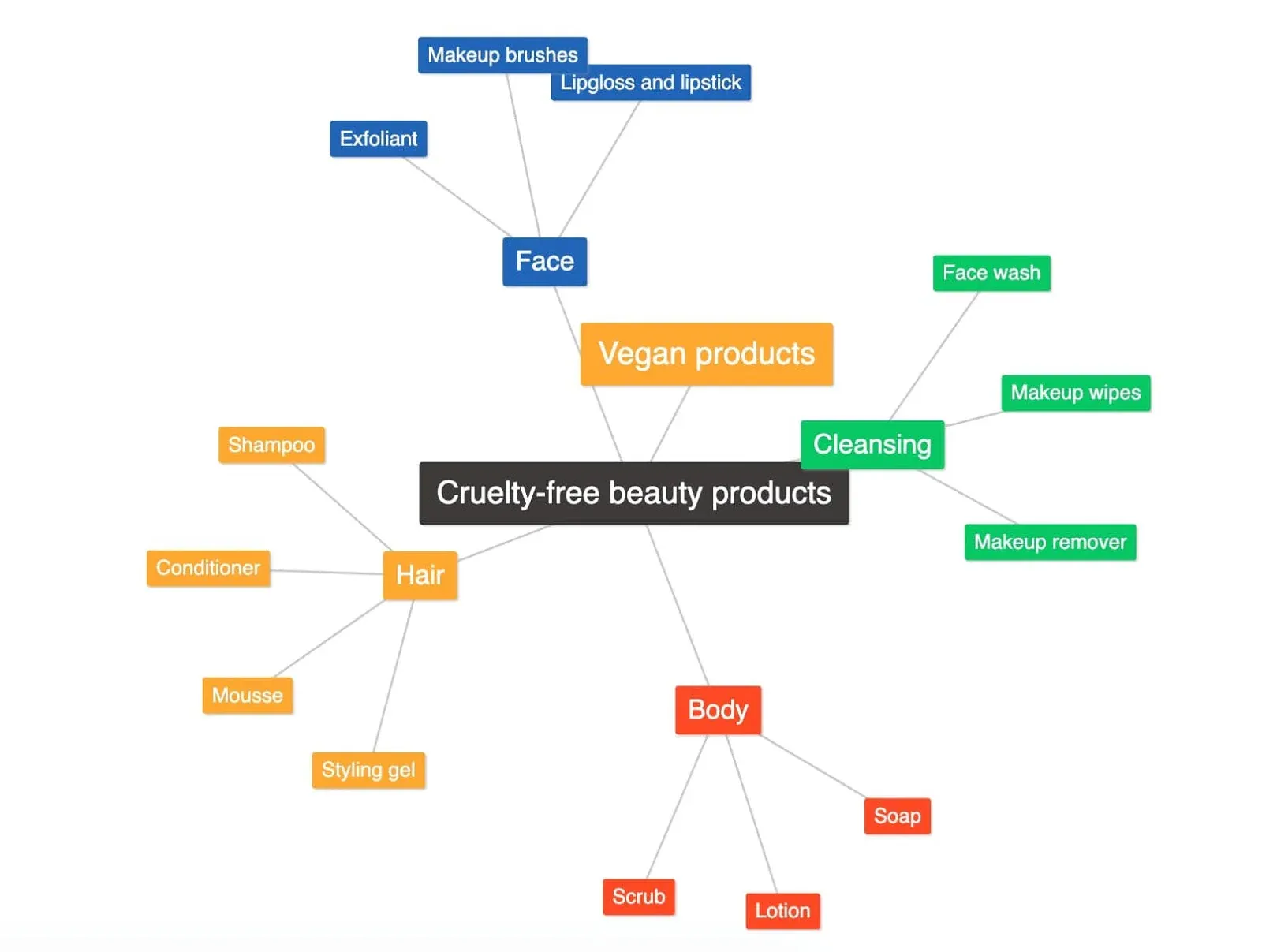
Needless to say, a niche fundamentally changes the competitive landscape. Instead of fighting every store that sells a similar product, you compete within a smaller, more defined arena shaped by specific customer needs, use cases, or values. As a result, it's easier to differentiate through depth and quality rather than breadth.
More importantly, a niche allows you to build defensibility over time. When customers associate your brand with solving one specific problem well, competitors cannot easily replace you without matching that expertise, credibility, and consistency. Generalist stores can copy products, but they struggle to copy reputation within a narrowly defined domain.
A niche makes customer discovery and marketing far more efficient
Under normal circumstances, one of the biggest hidden costs in eCommerce is unclear targeting. When a store tries to appeal to a broad audience, marketing messages become too generic, meaning your conversion rates will suffer!
Fortunately, a niche removes this ambiguity; it forces you to define:
- Who your customer is
- What problem they are actively trying to solve
- Why they would search for a solution like yours.
Once a niche audience is established, expansion becomes more strategic, since new products are now added because they deepen relevance for the same audience (and not because they “might sell.”). As a result, your business's growth becomes more focused instead of fragmented.
A niche controls the inventory scope and operational complexity
Inventory is where many eCommerce businesses quietly lose money. The broader your catalog, the more capital you lock into stock, storage, and fulfillment, often before demand is proven!
But now, within a niche, you can sell a focused range of products that serve a specific purpose.
Fewer products mean clearer replenishment cycles and less dead stock. Plus, you can also avoid operational complexity (a problem often associated with too many product categories) and keep costs from cascading beyond control.
In short, niche-focused stores tend to scale more sustainably. They spend less time managing inventory chaos and more time improving product quality, customer experience, and marketing – areas that actually drive growth in the long run.
Top 15 Best eCommerce Niches 2026
Now, without further ado, let's discuss our main question, “What is a good niche product to sell online?”
1. Pet food, toys, and accessories
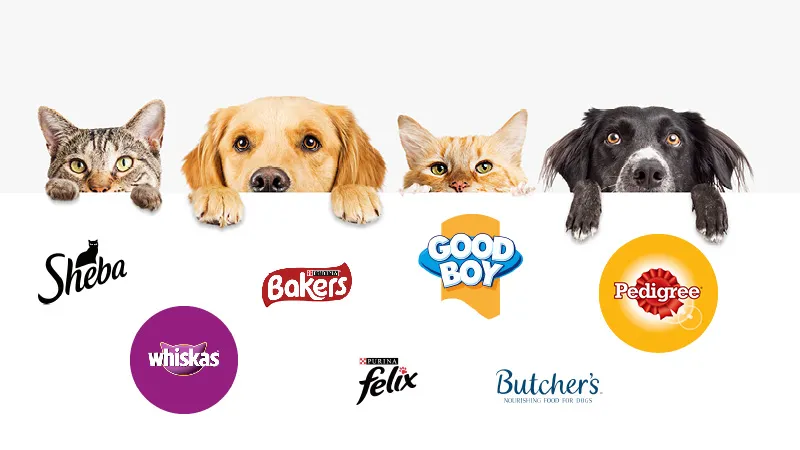
From our observation, the pet industry continues to be one of the most stable and fastest-growing consumer markets. In fact, in 2024, the pet accessories segment surpassed USD 30 billion globally, driven by premium products and lifestyle-oriented pet ownership (according to IMARC). Projections for 2025 and 2026 also indicate even further growth.
So, what makes this niche particularly suitable for eCommerce?
- Repeat buying patterns: Pet owners rarely treat these products as one-off purchases. Food, treats, supplements, grooming items, and even toys are bought on predictable cycles, which allows online stores to move beyond transactional sales into subscription-based and replenishment-driven revenue models.
- Product education and transparency: Pet food and accessory buyers increasingly scrutinize ingredients, nutritional value, safety certifications, and sourcing. Physical retail struggles to communicate this depth of information; on the other hand, eCommerce product pages, blogs, and comparison tools allow brands to build authority and justify premium pricing.
- Natural expansion: A store that starts with pet food can easily layer in toys, collars, beds, smart feeders, or health supplements without confusing customers. Each additional category reinforces the same customer identity, which makes upsells and bundles feel logical.
2. Home office equipment and workspace essentials
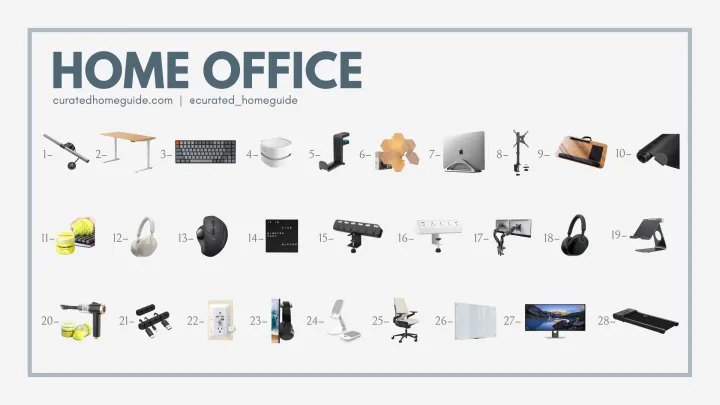
Considered one of the best eCommerce niches, remote and hybrid work has transitioned from a temporary adjustment into a long-term structural shift. The global home office furniture market exceeded USD 29 billion in 2024, projected to reach over 49 billion by 2033 (Research and Markets).
The strength of this niche in eCommerce lies in:
- Purchase decisions: Home office products are rarely impulse buys. Customers compare dimensions, materials, ergonomic benefits, compatibility with existing setups, and long-term comfort before purchasing.
- Price structure: Ergonomic chairs, standing desks, monitor arms, and lighting systems often carry high price points, which means fewer transactions can still generate meaningful revenue. Plus, buyers frequently purchase multiple items together (e.g., desk plus chair), naturally increasing average order value.
- Incremental upgrading: Unlike traditional office furniture purchased once by companies, home office setups evolve over time. As work hours increase or discomfort appears, users return to upgrade chairs, add footrests, improve lighting, or reduce cable clutter, which creates repeat purchase behavior.
And contrary to some beliefs, logistics is no longer a barrier. Flat-pack designs, modular components, and improved last-mile delivery have removed the historical advantage of physical showrooms. As a result, digitally native brands can compete on equal footing with legacy furniture retailers, often with better margins.
3. Nutrition, supplements, and wellness products

Next, we also observed that the wellness economy continues to expand rapidly, with eCommerce at the center of that growth. Online sales of nutritional supplements have seen dramatic surges due to the increasing popularity of the broader supplements market, which is expected to surpass USD 443 billion in 2029 (The Business Research Company).
This niche thrives online because of:
- Trust and education: These two factors directly drive purchasing decisions. Consumers want to understand ingredients, formulations, dosage, benefits, and scientific backing before committing. Commerce allows brands to address these concerns through long-form content, FAQs, expert endorsements, and transparent labeling.
- Consumption frequency: Supplements are often taken daily or monthly, which makes them inherently compatible with subscription and replenishment models. This predictability transforms customer acquisition into long-term revenue rather than short-term sales.
- Precise audience segmentation: Brands can target customers based on specific goals such as immunity, sleep, digestion, stress management, or athletic performance. This nature results in highly personalized marketing funnels.
- Social proof: Reviews, testimonials, influencer partnerships, and community-driven content play a decisive role in purchase decisions in this niche, giving outstanding brands a structural edge.
4. Eco-friendly and sustainable products

Here's the great news: Sustainability has actually become a mainstream purchasing factor rather than a niche preference. In fact, over 70% of consumers reported that environmental impact influences their buying decisions, and nearly half stated they are willing to pay more for sustainable products (ESG Today).
Let's further discuss why this is one of the best eCommerce niches:
- Built-in differentiation: Sustainable products often solve everyday problems (cleaning, storage, personal care, etc.) but in visibly different ways. eCommerce allows brands to highlight these distinctions clearly, shifting competition away from price and toward values and impact.
- Customer behaviors: Eco-conscious buyers are more likely to research brands, follow them long-term, and share recommendations within digital communities. This habit creates organic growth loops that reduce reliance on paid advertising over time.
- Compatibility with eCommerce nature: Refillable items, lightweight goods, and modular packaging support efficient shipping and repeat purchasing, which improves margins and retention simultaneously.
5. Personalized and custom-made items
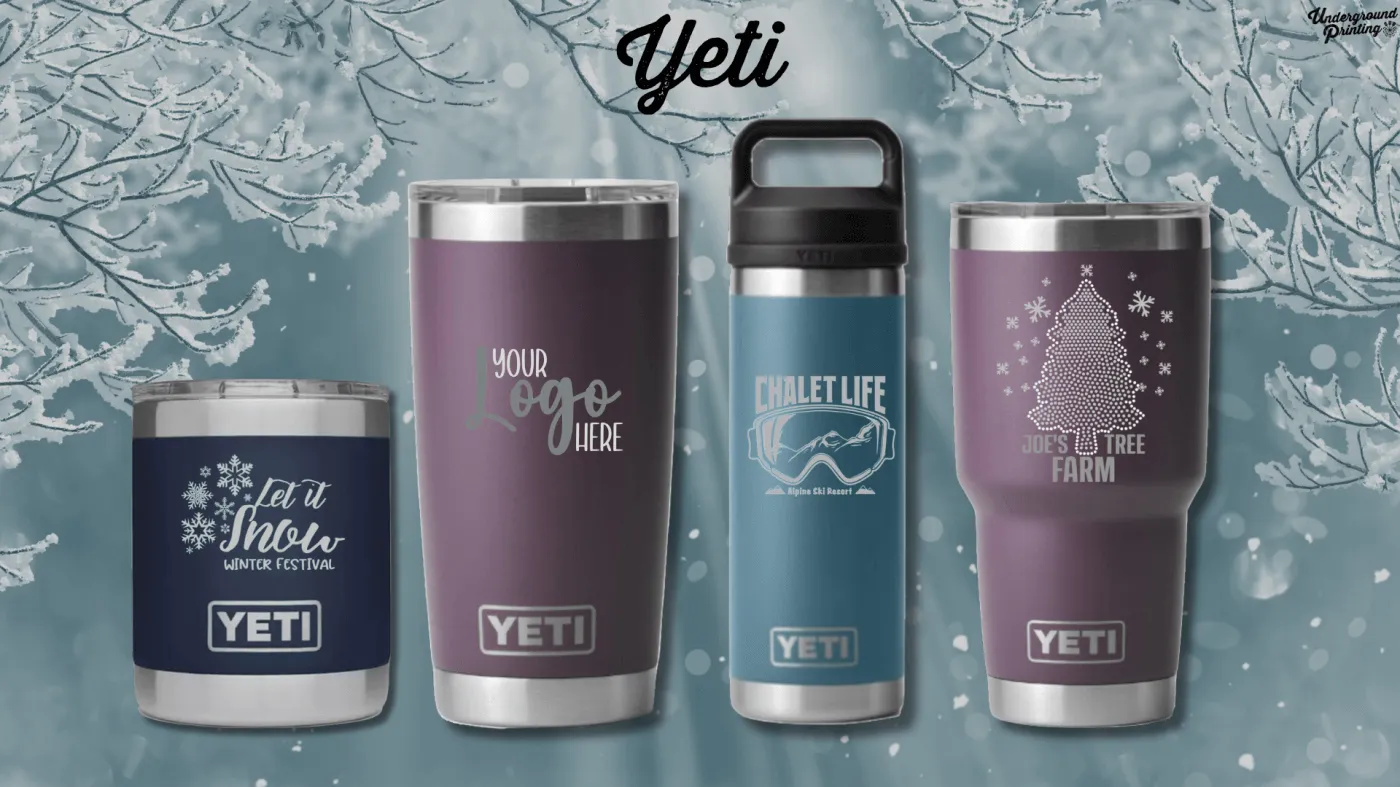
Unsurprisingly, personalization continues to outperform standard product categories. Research shows that over 80% of consumers actively prefer personalized products, and customized items consistently achieve higher conversion rates and margins, particularly in gifting contexts (Deloitte).
What fundamentally sets this niche apart is that personalization changes how customers evaluate value:
- Emotional relevance: Instead of comparing identical products on the market, buyers focus more on emotional relevance and uniqueness. As a result, it significantly reduces price sensitivity and allows brands to maintain healthier margins.
- Operationality: Personalized products align perfectly with made-to-order and print-on-demand models. Sellers can offer wide product ranges without holding inventory, minimizing risk while maintaining flexibility. That's an advantage that traditional retail cannot replicate.
- Event-driven nature: Demand in this niche is also event-driven. Holidays, birthdays, anniversaries, and life milestones create predictable spikes in purchasing behavior. eCommerce platforms can capture this demand through seasonal landing pages, reminders, and customization previews that increase urgency.
- Fewer direct competitions: Since each product is unique to the buyer, it shifts competitive pressure away from scale and toward experience. That way, even smaller eCommerce brands can compete effectively against larger players.
6. Health, self-care, and mental wellness products

In recent years, consumer spending on mental and emotional well-being has moved from reactive to preventive, which partly makes it one of the best eCommerce niches. The health and wellness market is expected to grow by more than USD 2 trillion between 2024 and 2029, with demand driven by preventive health and lifestyle-oriented self-care habits (Technavio).
This niche works especially well for eCommerce because of:
- Self-diagnosis: Mental wellness products are self-diagnosed rather than clinician-prescribed. Consumers typically recognize stress, anxiety, burnout, or sleep problems on their own and then search online for solutions.
- Solution stacking: Buyers rarely rely on a single product; instead, they combine items such as supplements, journals, sleep aids, aromatherapy tools, or light therapy devices. eCommerce allows stores to guide customers through these combinations with bundles and long-form educational content.
- Privacy sensitivity: Since mental wellness purchasing is privacy-sensitive, many consumers prefer to explore and buy these products discreetly online rather than in-store. Such a preference increases conversion rates for direct-to-consumer brands that offer judgment-free positioning and confidential delivery.
7. Baby, maternity, and newborn essentials

Given that parents are a highly engaged consumer group, it's unsurprising that the baby care market remains structurally strong due to non-discretionary demand. According to Global Market Insights, the global baby care products market was estimated at over USD 107 billion in 2024, with continued growth expected through 2025, 2026, and beyond.
Let's see why this niche is particularly effective for eCommerce:
- Risk-driven decisions: Parents are primarily concerned with the baby's safety, as well as the product's materials, certifications, and developmental suitability. Hence, unlike some other most profitable eCommerce niches, purchasing decisions for this one are risk-driven, not price-driven.
- Stage-based purchasing: Babies outgrow products rapidly as they move through different feeding methods and developmental phases. The result is a predictable purchasing timeline where parents return repeatedly for age-appropriate items. eCommerce platforms can map this journey with lifecycle-based recommendations and bundles aligned to each growth stage.
- Trust accumulation: Once parents feel confident in a brand or store, they strongly prefer consistency rather than experimentation. This loyalty is especially powerful online, where repeat ordering and saved preferences reduce friction during already stressful life stages.
- Community validation: Baby and maternity products often benefit from other parents, usage photos, and peer recommendations. eCommerce platforms naturally aggregate this social proof, which amplifies trust far more effectively than in-store displays.
8. Beauty, skincare, and cosmetics
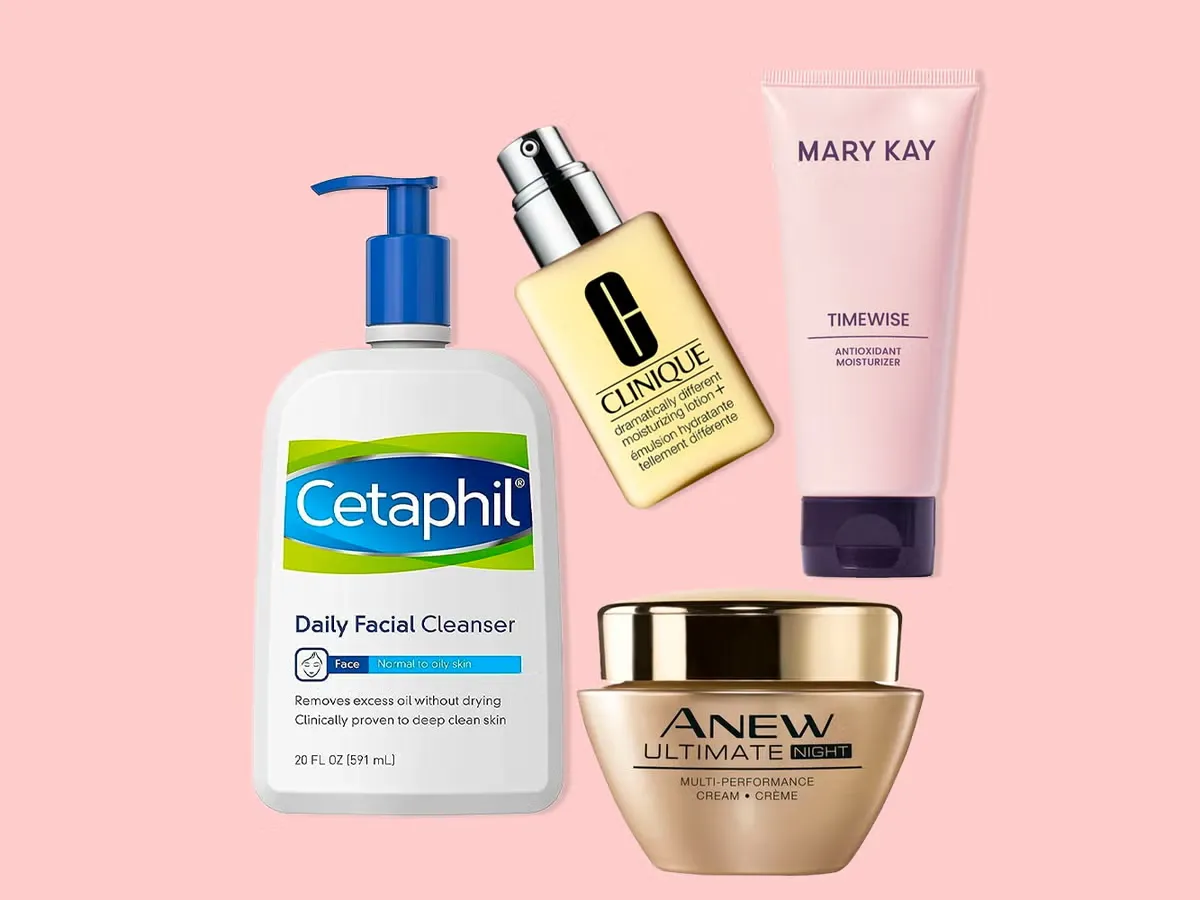
Unsurprisingly, the global beauty and personal care market, including skincare and niche cosmetics, is enormous and still growing. In fact, the online segment alone is forecast to expand by nearly USD 51 billion between 2023 and 2028, according to Technavio!
Why does this niche continue to thrive? There are several reasons:
- Diagnosis-driven purchase: Consumers shop based on skin type, tone, age, climate, and specific concerns such as acne, sensitivity, or pigmentation. Online platforms allow brands to guide customers through this complexity using quizzes, routines, before-and-after content, etc.
- Formula stickiness: Once a skincare or cosmetic product works for a customer, switching becomes risky. This leads to strong repeat purchase behavior that is not dependent on discounts but on performance and trust, which eCommerce brands can reinforce through reorder reminders and routine tracking.
- Lack of retail distribution: The rise of niche cosmetics (such as clean beauty, K-beauty, dermatology-backed brands, or inclusive shade ranges)has also favored online retail. These products often lack mass retail distribution, which makes eCommerce the primary discovery and sales channel rather than a secondary one.
- Visual and creator-led content: It's undeniable that beauty benefits disproportionately from such content. Tutorials, routines, and influencer demonstrations are tightly integrated into social commerce, creating short feedback loops between content consumption and purchase.
9. Men’s grooming and personal care products
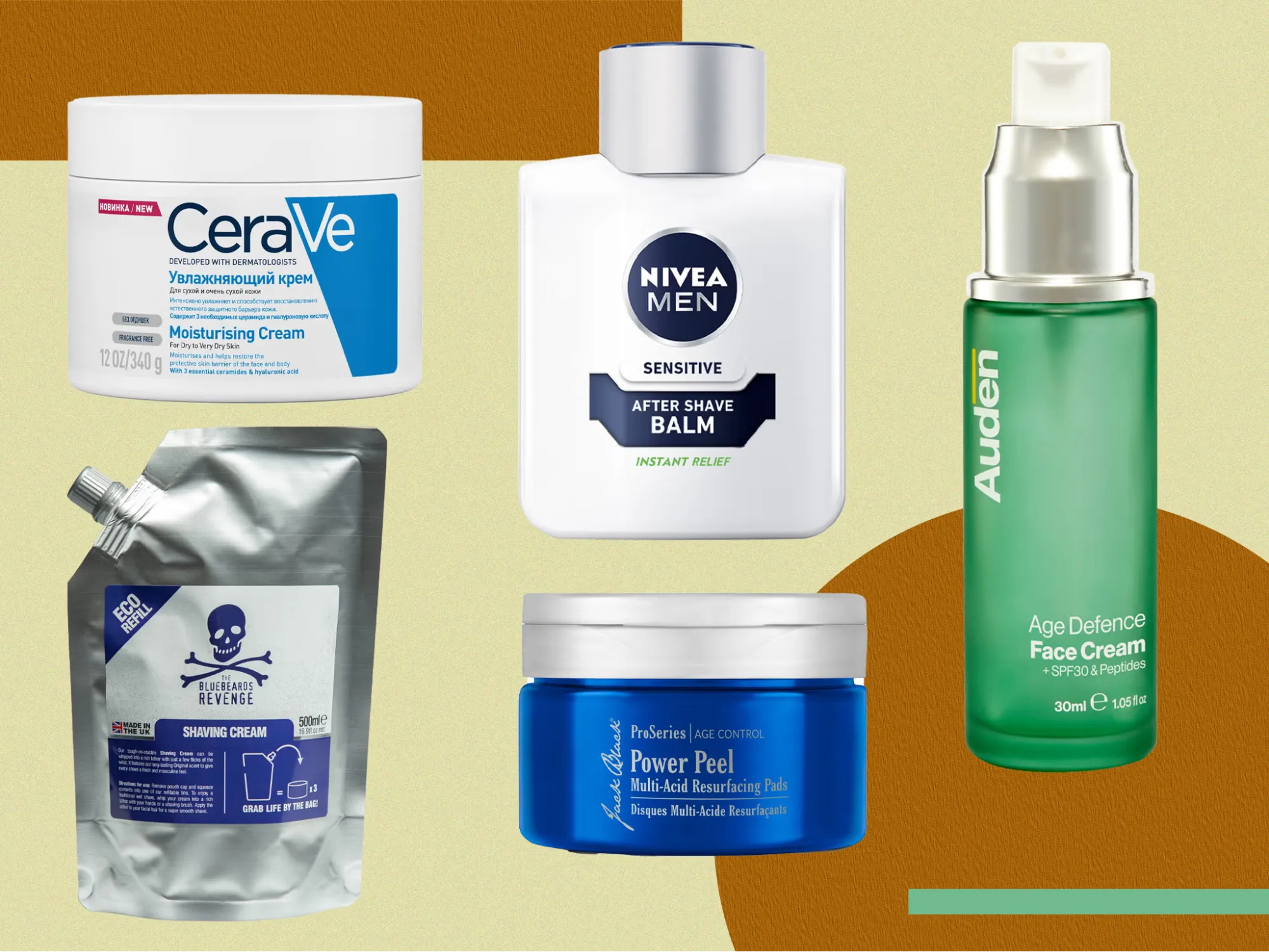
In recent years, men’s grooming has evolved from a peripheral niche into a cornerstone personal care category. Market analyses show the men’s personal care market is likely to grow from around USD 69.4 billion in 2024 to over USD 75 billion in 2025, with strong continuing growth (Research and Markets). Broader forecasts also estimate steady expansion into the next decade!
It's considered one of the best eCommerce niches because of:
- Male consumers: Unlike female consumers, male users tend to seek clarity and guidance, not variety. For that reason, online stores can easily help simplify decision-making with starter kits, routines, and problem-solution framing tailored to men’s needs.
- Education-driven conversion: Many male consumers are relatively new to multi-step grooming routines. eCommerce enables brands to explain why products are needed, how to use them, and what results to expect, lowering hesitation and increasing basket size.
- Habits: Men’s grooming is also habit-forming. Once a routine is established (whether shaving, beard care, or skincare), products are repurchased consistently. This makes direct-to-consumer models particularly effective, as brands can own the relationship rather than compete on retail shelves.
10. Smart home devices and automation products
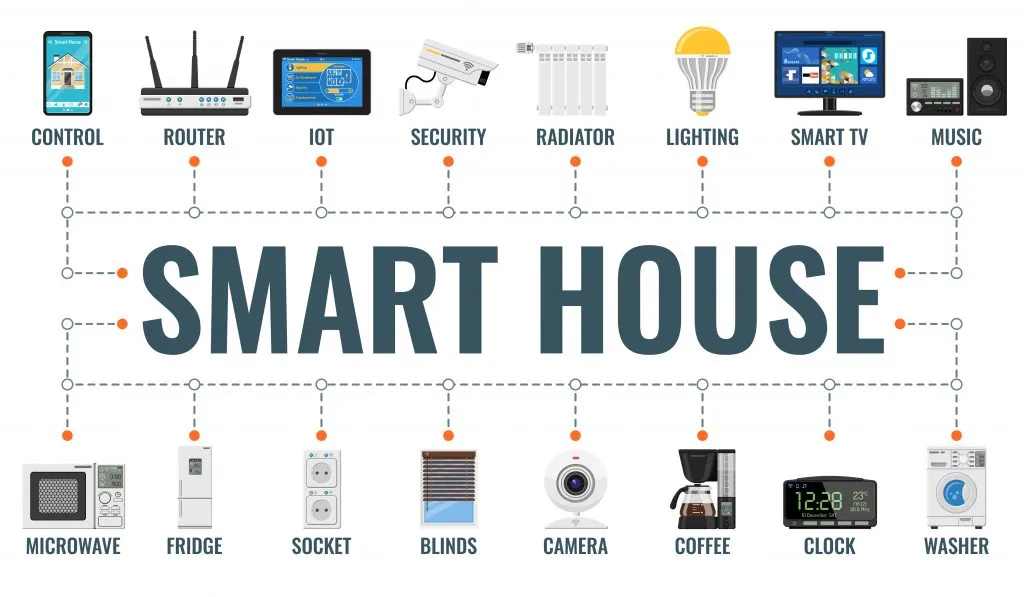
No longer considered a “futuristic” concept, smart home is actually a rapidly growing technology category. The global smart home devices market was valued at over USD 126 billion, with continued compound growth toward nearly USD 282 billion by 2029 (The Business Research Company).
This niche aligns naturally with eCommerce due to the following factors:
- Specification-intensive nature: Consumers tend to compare ecosystems and integration scenarios before buying. Online platforms excel at presenting side-by-side comparisons, use cases, and compatibility charts that directly influence purchase confidence.
- Possibilities of expansion: Most smart home products also encourage ecosystem expansion. Rarely does a customer stop at one device; a smart speaker often leads to lighting, security cameras, sensors, or automation hubs. eCommerce stores can design upgrade paths and bundles that guide customers through progressive adoption rather than one-off purchases.
- Convenience for self-installation: Most smart home devices are designed for DIY setup, which reduces reliance on physical retailers or installers. Consumers are comfortable buying online because installation guidance, videos, and troubleshooting resources are readily available.
- Modern audience: Most importantly, this niche tends to attract a digitally native audience that already trusts online purchasing. These consumers value detailed documentation, firmware updates, post-purchase support, etc., which specialized eCommerce stores can deliver better than mass retailers.
11. Gaming accessories and performance gear

Gaming is no longer a narrow entertainment category; it is now a mature consumer market with deeply entrenched spending habits. According to Statista, the global gaming accessories market generated over USD 65 billion in revenue in 2024, and continued growth is expected through the next few years as competitive and performance-focused gaming expands.
So, what makes gaming accessories one of the best eCommerce niches?
- Performances: Gamers buy mice, keyboards, headsets, controllers, and monitors to gain measurable improvements, including reaction time, accuracy, comfort, immersion, etc. These criteria require detailed technical comparisons from customers, which online product pages and spec breakdowns can directly influence.
- Ecosystem dependency: Like other top eCommerce niches, gaming accessories are tightly bound to platforms (PC, console) and even operating systems, drivers, and software compatibility. Once users commit to a setup, subsequent purchases must align with that ecosystem.
- Upgrades: With gaming, upgrade motivation also differs from typical electronics. Accessories are replaced not when broken, but when performance expectations increase. Competitive play, esports influence, and streaming culture constantly raise the bar, pushing gamers to upgrade peripherals incrementally.
- Modern audience: From our observation, most gamers are digitally native buyers who already trust online channels. Their purchasing journey often begins on YouTube, Twitch, or Reddit and ends on an eCommerce store, creating an unusually short and efficient content-to-commerce loop.
12. Outdoor, travel, and adventure equipment

The rebound of global travel has been accompanied by a strong shift toward outdoor and experience-based activities. In fact, the global leisure travel spending surpassed pre-2020 levels in 2024, with outdoor and adventure travel among the fastest-growing segments (Market Reports World).
This niche works well for eCommerce because of:
- Mission-specific products: Consumers buy gear for defined purposes (e.g., backpacking, trekking, climbing, or extended travel), each with strict technical requirements. eCommerce allows stores to structure products around activities, climates, and trip durations, effectively acting as planning tools rather than simple catalogs.
- Long consideration windows: Outdoor equipment also involves long decision timelines. Buyers often research weeks or months ahead of a trip, revisiting content, comparisons, and packing lists. eCommerce stores can nurture this behavior with guides, checklists, and retargeting to influence decisions long before checkout.
- Stock availability: Many adventure products are high-value but infrequently purchased, which explains why retail often fails to stock deep or specialized inventory. eCommerce fills this gap by offering niche, high-performance gear that local stores cannot justify carrying.
13. DIY, crafting, and hobby supplies
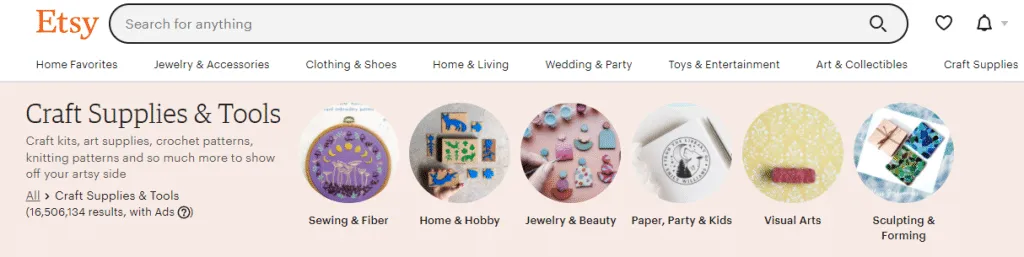
DIY and hobby spending surged during the pandemic and has since stabilized at a higher baseline. Indeed, according to Customcy, the global arts and crafts market exceeded USD 50.9 billion in 2025, with eCommerce accounting for a growing share of sales.
This niche thrives in eCommerce due to:
- Real need for precision: Here, demand is project-driven, not impulse-driven. Hobbyists typically know exactly what materials, tools, or components they need to complete specific projects. eCommerce platforms excel at serving this precision demand through deep catalogs, advanced filters, and searchable inventories.
- Long-tail economics: Physical stores are limited by shelf space and often carry only mainstream supplies. eCommerce stores, however, can profitably serve micro-niches (model building, resin art, embroidery, woodworking, electronics kits), each with loyal, repeat buyers.
- Learning-centric nature: DIY is also learning-dependent, meaning tutorials, guides, and project inspiration directly drive purchasing behavior. eCommerce platforms that integrate content and commerce naturally convert learning intent into product sales.
- Brand loyalty: Hobbyists exhibit strong brand and store loyalty once they find reliable suppliers. Once customers trust a supplier’s materials, they strongly prefer repeat purchases over experimentation. This advantage leads to high retention rates and predictable reorder cycles, especially in consumable supplies.
14. Digital education tools and learning products
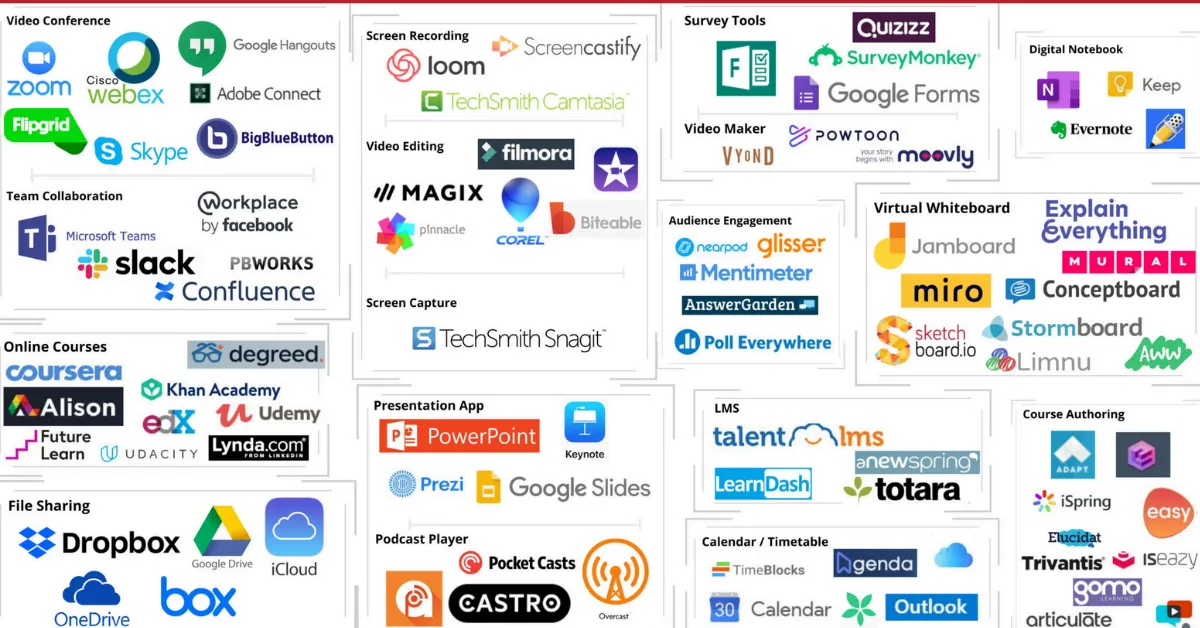
Like other education-related categories, digital learning has become a core part of global education and workforce development. According to GlobalData, global digital education (EdTech) spending already exceeded USD 310.8 billion in 2024 and is projected to reach unprecedented milestones in 2029.
This niche is inherently optimized for eCommerce because of the following:
- Borderless delivery: With digital learning, products are intangible and instantly deliverable. There are no inventory, shipping, or geographic constraints, allowing sellers to scale globally with minimal marginal cost.
- High margin structure: Digital education also benefits from extreme margin leverage. Once content is created, it can be sold repeatedly without high additional costs. As a result, your team can afford reinvestment into marketing, platform improvements, community building, etc.
- Growth over time: Learning products integrate naturally with subscriptions, cohorts, and updates. Hence, eCommerce platforms can enable long-term customer relationships rather than one-time transactions, transforming education into recurring revenue ecosystems.
15. Affordable luxury and premium everyday items
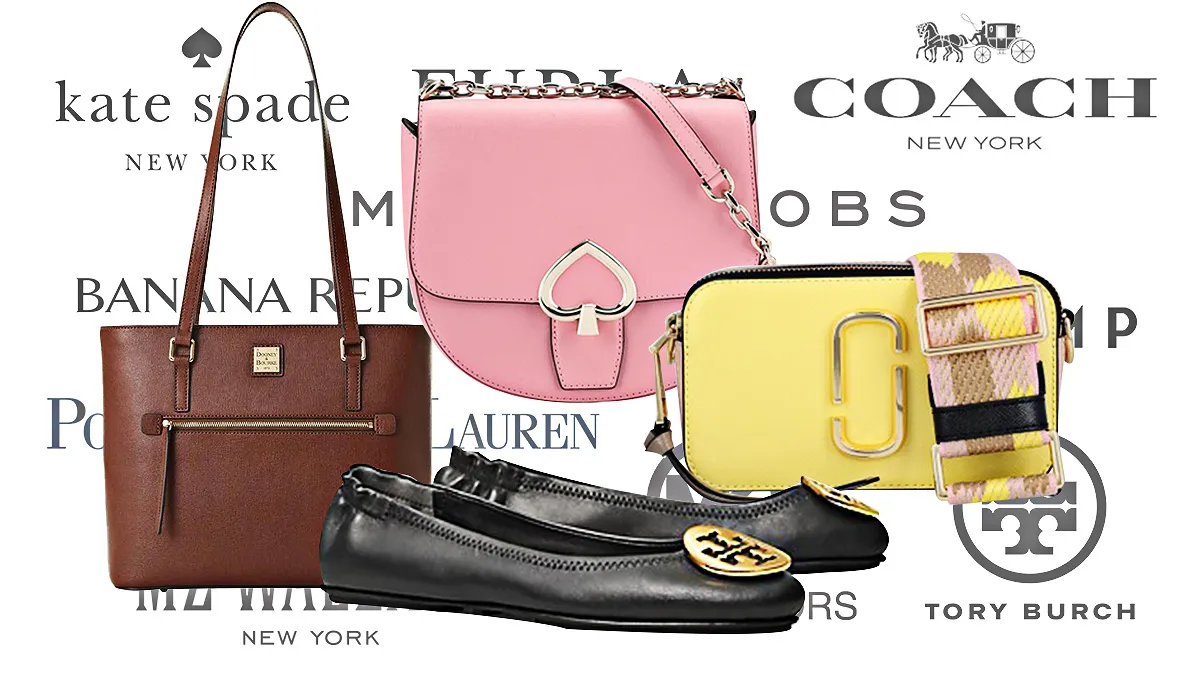
Last but not least, consumers are increasingly trading up selectively rather than buying indiscriminately.
In fact, Mintel reported that affordable luxury and premium everyday products are among the fastest-growing discretionary categories among younger consumers. Statista also reports that the global luxury goods market witnessed strong growth in 2024, specifically from entry-level and premium-but-accessible segments.
There are several reasons why this niche works well for eCommerce:
- Specialized value: In affordable luxury, value perception is story-driven rather than tactile. Consumers justify premium pricing through narratives around craftsmanship, materials, sustainability, and brand philosophy, which can be communicated very effectively online.
- Direct-to-consumer models: By bypassing traditional retail markups, brands can offer higher-quality products at competitive prices while maintaining margins. eCommerce allows brands to explain this value exchange transparently and further reinforce trust.
- Everyday integration: These products (bags, home goods, apparel, personal accessories) are used daily, reinforcing brand presence and emotional attachment, which drives repeat purchasing over time.
How to Pick A Niche for Your Business
Since there are many profitable areas on the market, you should do the following to choose the best eCommerce niches for you:
- Self-assessment: understanding what you can realistically compete on
- Market research: confirming that real demand and spending power exist
- Defining your niche: narrowing broad markets into winnable segments
- Validation and testing: proving demand before fully committing
Let's discuss further:
Self-assessment: Start with what you can actually compete on
First of all, before looking at market size or trends, you need to assess your own starting position. A niche that looks profitable on paper can still fail if it requires capabilities you don’t have!
Start by evaluating your existing advantages, which may include:
- Industry knowledge
- Professional background
- Supplier access
- Technical skills
- Content expertise.
For example, someone with a background in fitness coaching has a much lower barrier to entering the supplements or wellness niche than someone starting from zero. After all, they already understand customer pain points, terminology, and trust signals.
After that, look honestly at your resources and constraints. Ask yourself practical questions: How much capital can you invest upfront? Can you hold inventory, or do you need a low-risk model like print-on-demand or digital products?
For instance, if your initial budget is USD 3,000, entering hardware-heavy niches like smart home devices may be unrealistic. Digital education tools or niche cosmetics, on the other hand, sound more doable.
A simple rule: if a niche requires money, expertise, or credibility that you don’t currently have and can’t realistically acquire within 6–12 months, it’s probably not the right starting point.
Market research: Prove that people are actively spending
Once you understand your internal position, the next step is confirming real, current demand.
Tools like Google Keyword Planner or Ahrefs allow you to check whether people are actively searching for products in your niche. For example, if “ergonomic office chair” shows 40,000+ monthly searches globally, that signals consistent demand, not a passing trend. In contrast, a niche keyword with only a few hundred searches may struggle to scale.
Then, look at market size and growth data from credible sources such as Statista, McKinsey, or Grand View Research. Keep in mind that you’re not just looking for a big market, but a growing one. A niche growing at 7–10% annually is often healthier for new entrants than a massive but stagnant category.
In addition, competitor analysis is equally important; search your core product terms on Google and marketplaces like Amazon:
- If the top results are dominated entirely by global brands with massive budgets, entry may be difficult.
- However, if you see many mid-sized DTC brands competing on messaging, positioning, or sub-categories, that’s often a sign of opportunity.
Instead of relying only on manual searches, a scraper such as Apify can help collect competitor listings across marketplaces to spot positioning patterns more easily.
And don't forget to examine pricing and margins. A niche where most products sell for USD 10–15 leaves little room for paid advertising, logistics, and profit. By contrast, niches with average order values of USD 50–150 (such as home office gear, beauty routines, or outdoor equipment) offer more flexibility and resilience.
Define your niche: Narrow until competition becomes manageable
One of the most common mistakes is choosing a niche that is still too broad. Beauty, “fitness,” or “tech accessories” are markets, not niches. The goal here is to narrow by a specific angle: audience, problem, use case, or value proposition.
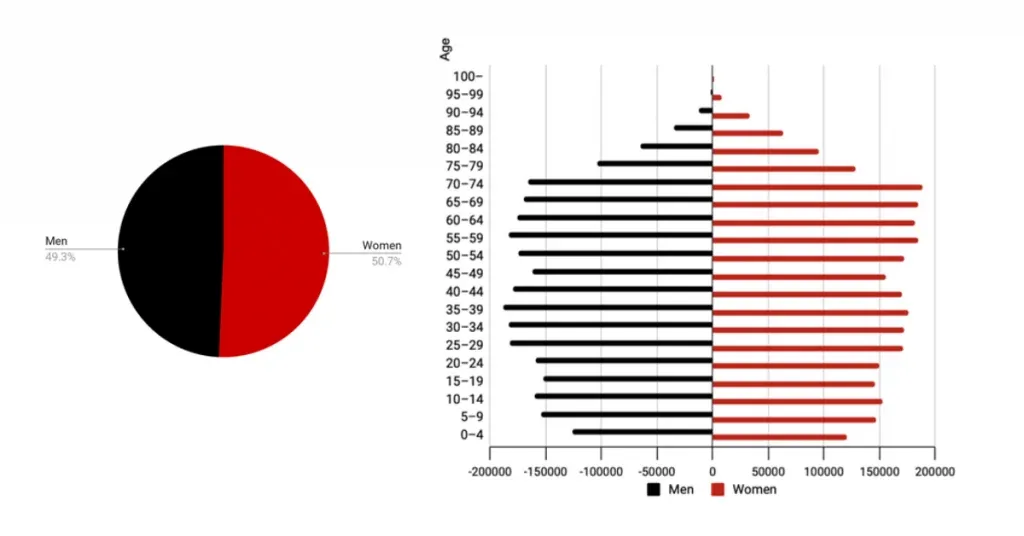
For example, instead of “skincare,” a clearer niche would be “skincare for acne-prone adult women” or “dermatologist-backed skincare for sensitive skin.” These refinements reduce competition and sharpen messaging.
You should also define who you are not targeting. A men’s grooming brand that tries to serve teenagers, professionals, and seniors simultaneously usually ends up resonating with no one!
At this stage, articulate your niche in one sentence: “We help [specific audience] solve [specific problem] with [specific type of product].” If you can’t do this clearly, the niche is likely still too vague.
Validate and test: Prove demand before you commit fully
The final step is validation: confirming that people will actually pay, not just show interest.
Start small with a minimum viable offering, such as a limited product range, a pre-order campaign, or even a landing page describing your value proposition. For example, you may run a USD 300 test ad campaign to see whether people click, sign up, or pre-order.
Then, look closely at conversion signals: a 3–5% email sign-up rate on a cold audience landing page is often a strong indicator of interest. If people are willing to leave their email or join a waitlist, that’s meaningful validation.
You can also test demand organically by posting niche-specific content on platforms like TikTok, Reddit, or niche forums. Consistent engagement from a defined audience is more valuable than one viral post with no follow-up.
Only after these tests show positive signals should you commit to full branding and long-term marketing.
Analyze Competitions in Your Niche 2026
Earlier, we did mention competitor analysis as part of niche selection. This task becomes even more critical in the following years, given the increasingly competitive market! To analyze competition properly, you need to:
- Select up to 10 competitors
- Categorize competitors
- Identify how competitors position themselves
- Determine their competitive advantages and core offerings
Keep scrolling for details:
Select 7 to 10 competitors
For this critical first step, the goal is not to find brands that “look similar” to yours, but to identify who your target customers are already considering.
Hence, the most reliable way to do this is to step into a customer’s mindset: search your core product terms on Google, Amazon, and any major marketplace relevant to your niche.
For example, if you sell standing desks, search phrases like “best standing desk for home office” or “adjustable desk for remote work.” Brands that consistently appear across paid ads, organic rankings, and product listings are competing directly for the same demand.
Note that your list should be intentionally mixed:
- Do not just include brands that sell nearly identical products; you should also add those that share a similar audience, philosophy, or value proposition.
- Add both newer brands that launched in the last few years and established players that have survived multiple market cycles.
- Limit your list to 7 to 10 competitors for better focus. Fewer than that risks missing important patterns; more than that often leads to surface-level analysis.
Categorize competitors
Next, keep in mind that not all competitors influence your business in the same way. We suggest categorizing them into different groups so you can understand what role each one plays in the customer’s decision-making process:
- Direct competitors: These brands sell the same core product to the same audience at a similar price point. They define the baseline expectations in your market (pricing norms, feature sets, shipping standards, customer service levels, etc.) If you fail to meet this baseline, customers will notice immediately.
- Indirect competitors: These businesses solve the same underlying problem, but with a different product or approach. For example, a portable blender brand and a meal replacement brand both compete for consumers who want fast, convenient nutrition.
- Legacy brands: They are well-established names with long histories, strong brand recognition, and wide distribution. Competing with them on scale or awareness is rarely realistic. Still, analyzing them helps you identify areas where they are slow or disconnected from niche audience, which are gaps that your team can exploit.
- Disruptors: Such brands challenge conventions and often gain traction through viral content or bold positioning. Tracking disruptors helps you anticipate shifts in customer expectations before they become mainstream.
Identify the competitors' positioning
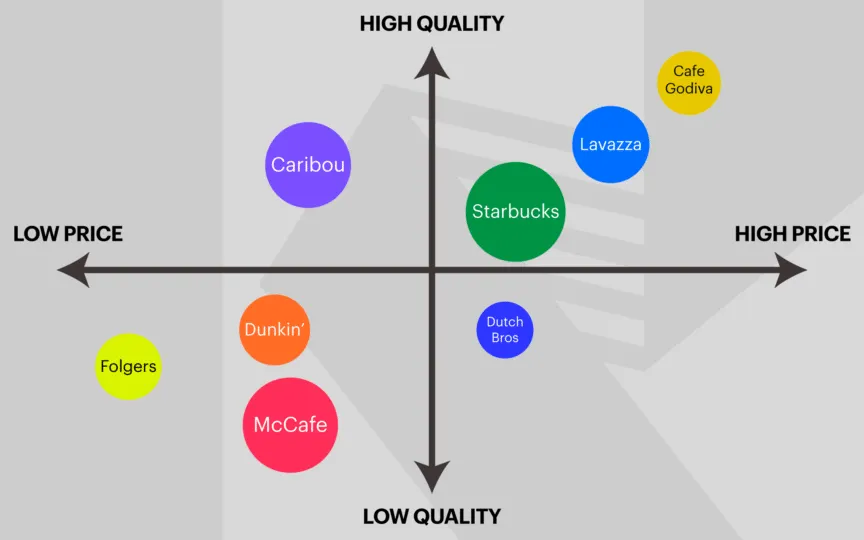
Positioning is not what a brand claims about itself. It’s how it wants customers to understand and remember it.
To analyze positioning, look across multiple touchpoints: website copy, product descriptions, social media posts, press coverage, interviews, and even founder statements. Patterns will emerge quickly.
As you review these materials, focus on concrete signals:
- What problem does the brand emphasize first?
- Who is clearly being spoken to (and who is excluded)?
- How does the brand describe itself in contrast to alternatives?
This exercise is critical because positioning space is finite. If every competitor in your niche talks about “premium quality,” repeating that message will not differentiate you. You need to find underused angles or reframe familiar benefits in a way that resonates more clearly with a specific audience.
Determine competitive advantage and offerings
Finally, make sure to identify why customers actually choose one competitor over another.
Competitive advantage usually shows up clearly in customer behavior, so we suggest you:
- Read reviews, testimonials, and community discussions.
- Look for repeated praise or repeated complaints.
- Connect those strengths to the company’s offerings.
This step helps you decide where not to compete. If a competitor dominates on price due to scale, competing head-on may be a losing battle. Instead, you might position around specialization, education, or service quality (in short, areas where smaller eCommerce brands can outperform larger ones).
Best eCommerce Niches: FAQs
What is the most profitable eCommerce niche?
The most profitable e-commerce niches in 2025-2026 are consistently Health & Wellness, Beauty & Personal Care, Pet Products, and Sustainable Goods. Other booming areas include Home Fitness, Smart Home Devices, and Digital Products.
Which type of eCommerce is most profitable?
The most profitable eCommerce types often involve digital products (offering nearly 100% margins after creation) and subscription models, which provide predictable recurring revenue, especially for curated boxes or premium content. Niche markets like sustainable goods, health/wellness, or high-ticket items also boast high profits due to demand and premium pricing.
What are the Big 3 niches?
The "Big 3" niches, considered the most evergreen and profitable online, are Health/Fitness, Wealth/Money, and Relationships.
Which niche has high demand?
High-demand niches consistently center on Health & Wellness, Finance, Pet Care, Personal Development, and Sustainable/Eco-Friendly Products. These niches are driven by evergreen consumer needs for better living, financial security, and conscious consumption.
Final Words
And that's a wrap on the 15 best eCommerce niches!
But, of course, choosing the top trending eCommerce niches is only the starting point. Long-term profitability also depends on how well you understand your customers, analyze competitors, and build a value proposition. For more eCommerce tips, check out our blog or join our Facebook Community.